


x
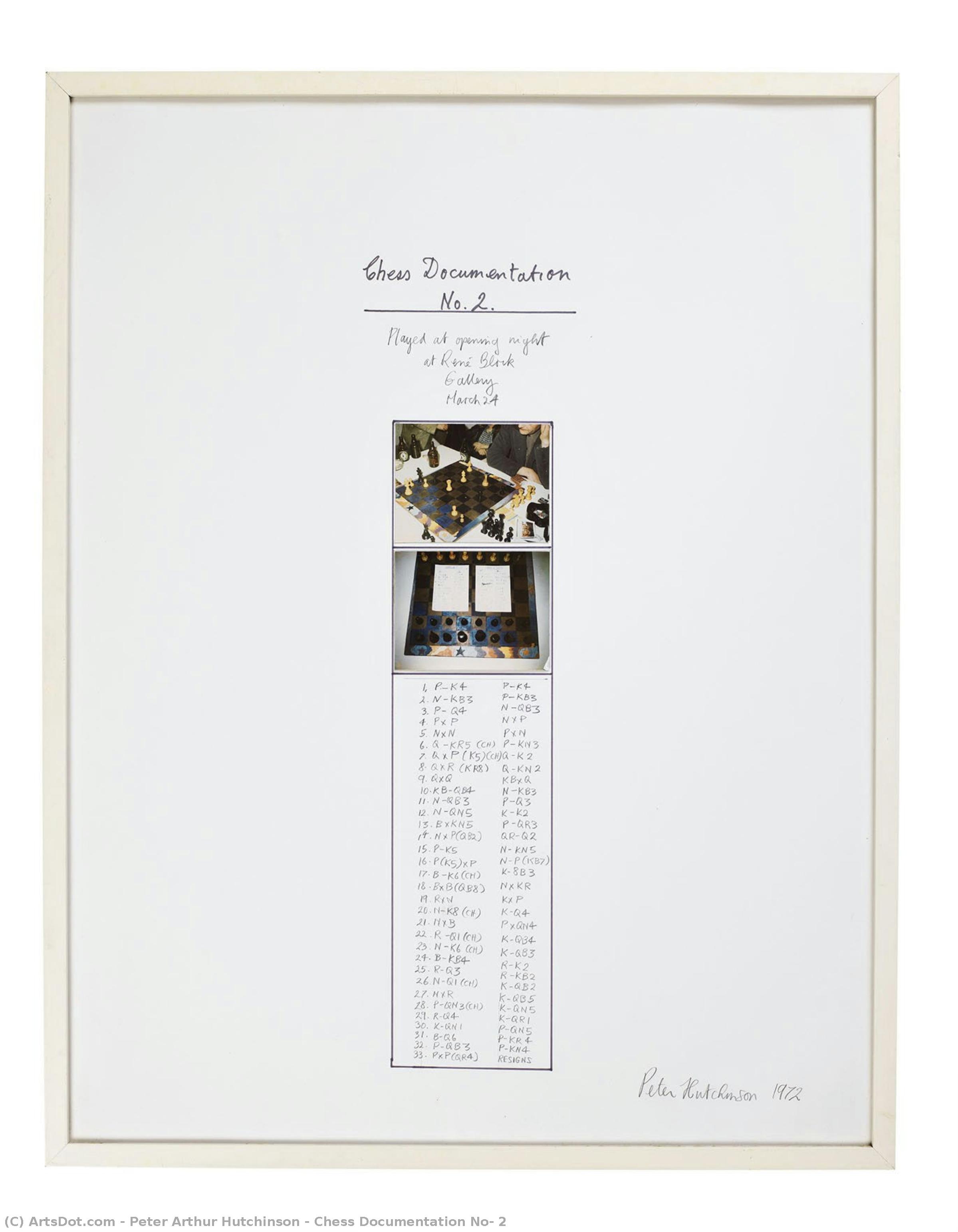
 1972
1972 67.0 x 52.0 cm
Adquira uma imagem digital de alta resolução e aprimorada, muito superior à prévia online.
Cada arquivo é meticulosamente preparado por nossos especialistas internos, utilizando ferramentas avançadas e retoques manuais de alta precisão. Garantimos que cada imagem apresente clareza excepcional, fidelidade de cores e detalhes minuciosos.
O arquivo final é entregue por e-mail em até 72 horas, otimizado para uso imediato em ambientes profissionais, editoriais e de impressão. Esta é a mesma qualidade utilizada por estúdios de design de alto nível, editoras e galerias.
Baixe um arquivo de alta resolução para exibição pessoal, impressão e projetos criativos. ( Encomendar impressão Encomendar reprodução pintada à mão)
Ao escolher o Most-Famous-Paintings.com, você não está apenas adquirindo uma imagem — você está recebendo uma obra de arte digital profissionalmente aprimorada, elaborada com precisão e com garantia de satisfação. Aqui está tudo o que acompanha seu pedido, automaticamente:

O seu arquivo de imagem digital em alta resolução será enviado por e-mail em até 72 horas após o pedido — pronto para uso imediato.

Sua obra de arte é otimizada profissionalmente por meio de ferramentas avançadas de IA e edição manual, garantindo o máximo de detalhes, clareza e precisão de cores.

Apagou ou perdeu o seu ficheiro acidentalmente? Não se preocupe – nós reenviamos para si a qualquer momento, gratuitamente.

Desfrute da sua obra de arte instantaneamente, sem taxas alfandegárias, impostos ou custos de entrega — downloads digitais são sempre isentos de taxas.

Garantimos que sua imagem digital reflita as cores originais com a maior fidelidade possível, utilizando ferramentas profissionais e gerenciamento de cores.

Se você não estiver satisfeito com sua imagem digital, nós a revisaremos ou reembolsaremos 100% dentro de 60 dias — sem perguntas.

Não está satisfeito? Receba o reembolso total em até 60 dias após o recebimento do seu arquivo digital — sem perguntas.

Compre 3 imagens, economize 10% - Compre 5, economize 15% - Compre 10+, economize 20%. Ideal para projetos criativos, galerias e agências.

Born in London, England, in 1930, Peter Arthur Hutchinson’s artistic journey is a fascinating exploration of the ephemeral, the subjective, and the dialogue between humanity and the natural world. He stands as one of the key figures who helped shape the nascent Land Art movement, while simultaneously forging a unique path through narrative mixed media and conceptual photography. His work isn't simply about depicting landscapes; it’s an active engagement with them, a layering of observation, documentation, and deliberate intervention that invites viewers to contemplate their own relationship with place and experience.
Hutchinson’s early life instilled in him a deep appreciation for the interconnectedness of things. Growing up in Britain, he developed a keen eye for detail and an interest in both the formal beauty of gardens and the wild, untamed aspects of nature. This duality would become a recurring theme in his work – a careful balance between cultivated order and spontaneous growth, structured composition and chaotic decay. His move to the United States in 1952 marked a significant shift, providing him with access to new landscapes and a broader artistic community.
Hutchinson’s arrival in America coincided with a period of intense experimentation in art. The late 1960s witnessed the rise of Land Art, spearheaded by artists like Robert Smithson and Walter De Maria, who sought to create monumental works directly within the landscape itself. Hutchinson quickly embraced this ethos, but he distinguished himself through his distinctive approach – a meticulous documentation of these interventions alongside handwritten narratives that imbued them with personal meaning. Unlike some of his contemporaries who focused on purely abstract gestures, Hutchinson’s work is deeply rooted in observation and reflection.
His signature style emerged from a combination of techniques: the careful selection and arrangement of photographic images, often sourced from everyday life; the use of gouache for layering color and texture; the incorporation of woad – a historical blue dye with a distinctive earthy tone – to evoke a sense of antiquity and connection to the past; and finally, the addition of handwritten texts that act as both captions and meditations on the work’s significance. These texts aren't merely descriptive; they are often poetic, philosophical, or playfully ironic, inviting viewers to engage in a dialogue with the artwork.
Hutchinson’s process was characterized by a deliberate sense of improvisation and chance. He frequently worked *in situ*, responding directly to the conditions of the landscape – the light, the weather, the existing vegetation. His materials were often found objects or discarded items, transformed into evocative symbols through his artistic interventions. The use of woad, in particular, is noteworthy; its historical connection to alchemy and ritual adds a layer of symbolic depth to his work.
The incorporation of handwritten text is crucial to understanding Hutchinson’s approach. He often employed a distinctive script, reminiscent of illuminated manuscripts or personal letters, lending an intimate and almost devotional quality to his narratives. These texts are not intended to provide definitive answers but rather to pose questions, invite speculation, and encourage viewers to consider their own experiences within the context of the artwork.
Among Hutchinson’s most celebrated works is “Chess Documentation No. 2,” a series of photographs documenting his interventions in a field near Los Angeles. These images capture fleeting moments of beauty and decay, juxtaposing elements such as wildflowers, discarded toys, and handwritten notes to create a complex and layered visual narrative. Similarly, "Chess Documentation No. 6" showcases his exploration of the relationship between human presence and natural processes.
His work has been exhibited extensively in museums and galleries around the world, including the Museum of Modern Art (MoMA) in New York, Centre Pompidou in Paris, and the Arp Museum in Germany. Hutchinson’s influence extends beyond Land Art, inspiring artists working in a wide range of media – from photography and collage to installation and performance art. He is remembered as a pioneer who challenged conventional notions of artistic practice and demonstrated the power of art to engage with the world in profound and meaningful ways.
Peter Arthur Hutchinson’s legacy lies not only in his distinctive visual style but also in his unwavering commitment to exploring the complexities of human experience within the context of the natural world. His work continues to resonate today, reminding us of the importance of observation, reflection, and a deep appreciation for the beauty and fragility of our planet.

1930 - , United Kingdom


Fique por dentro das últimas notícias de arte, ofertas exclusivas e ideias de decoração.
Conte-nos sobre o seu projeto e os nossos especialistas em arte fornecerão 3 sugestões de arte personalizadas.
Deixe que selecionamos 3 opções especialmente para você – Grátis!


 Visualizar em escala
 Enviar
 Compartilhar
 Ver detalhes

 Baixar
 Semelhantes
 Raio X
 Apresentação de slides
 Ver mais


