x

Impressão giclée ou em tela de qualidade de museu, com produção rápida e opções flexíveis de acabamento. ( Encomendar reprodução pintada à mão Comprar imagem em alta resolução)





























Escolha entre os nossos tamanhos pré-definidos que respeitam as proporções originais da obra de arte.

Você pode inserir suas próprias dimensões para se ajustar a uma moldura ou espaço específico. Se o tamanho selecionado não corresponder às proporções da imagem original, iremos recortar a obra de arte ou estender a imagem com uma borda espelhada ou preenchimento sólido. Um mockup digital será enviado para sua aprovação antes do início da produção.
Por favor, observe que a visualização na tela não reflete o recorte ou a extensão real. Apenas o mockup mostrará com precisão a composição final.
Embora tamanhos personalizados estejam disponíveis, recomendamos selecionar uma dimensão da lista predefinida para preservar as proporções originais.
Entrega mundial () em 2 semanas, em vez das 4/5 semanas padrão. (18 Agosto)


Lemons
Dimensões da Reprodução
Pierre-Auguste Renoir’s “Lemons,” painted in 1912, stands as a quintessential embodiment of Impressionism—a movement that irrevocably altered the course of art history. More than just a depiction of fruit on a table; it's an exploration of fleeting moments and sensory experience, meticulously crafted by Renoir to capture the very essence of Parisian life during its Belle Époque.
Born in Limoges in 1841, Renoir’s artistic journey began amidst the burgeoning intellectual fervor of Paris. Influenced by artists like Monet and Sisley, he actively challenged the conventions of academic painting—which prioritized meticulous detail and idealized representations—favoring instead a more subjective approach to capturing visual impressions.
The Impressionist movement arose in response to the rigid rules imposed by the Salon jury, demanding that artists abandon traditional techniques and embrace spontaneity. Renoir’s “Lemons” reflects this spirit of rebellion, prioritizing atmosphere and color over precise rendering—a conscious decision to align with the broader artistic ethos of his era.
While seemingly unassuming, “Lemons” carries subtle symbolic weight. The lemon itself has long been associated with freshness, vitality, and optimism—qualities that Renoir skillfully conveys through his luminous palette. Furthermore, the arrangement of the lemons on the table serves as a visual metaphor for balance and harmony—a reflection of Renoir’s artistic sensibilities.
The stark white tablecloth provides a contrasting backdrop, emphasizing the vibrancy of the citrus fruits and highlighting their sculptural qualities. This careful composition underscores Renoir's intention to elevate an ordinary subject into something extraordinary – capturing not just what is seen but how it feels.
"Lemons" transcends its visual simplicity, resonating with viewers on a deeply emotional level. Renoir’s ability to evoke warmth and tranquility—a hallmark of Impressionist art—continues to inspire artists today. His innovative techniques paved the way for subsequent movements like Post-Impressionism and Fauvism, establishing him as one of the most influential painters of the late 19th century.
Reproductions of “Lemons” offer a captivating glimpse into Renoir’s artistic vision—allowing collectors and interior designers alike to experience the beauty and tranquility of this timeless masterpiece.


1841 - 1919 , França

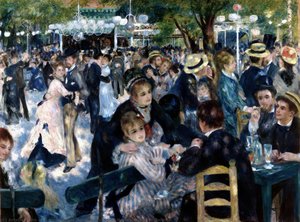
Descubra as 25 obras-primas de Renoir, o mestre do Impressionismo! Explore a história, cores vibrantes e emoção por trás de quadros icônicos como 'Bal au moulin de la Galette'. Encontre reproduções de arte exclusivas para decorar sua casa com elegância em Most-Famous-Paintings.com.

Descubra os 10 quadros impressionistas que revolucionaram a arte! Explore Monet, Renoir e outros artistas icônicos. Encontre reproduções de alta qualidade para decorar seu lar com beleza e história em Most-Famous-Paintings.com.

Descubra os 10 quadros impressionistas que revolucionaram a arte! Explore Monet, Renoir e outros mestres do Impressionismo. Encontre reproduções de alta qualidade para decorar sua casa com beleza e história em Most-Famous-Paintings.com.

Explore the captivating world of Pierre-Auguste Renoir! Discover his life, iconic Impressionist masterpieces & enduring legacy with our expert guide. High-quality reproductions available.

Descubra os 10 quadros impressionistas que revolucionaram a arte! Explore Monet, Renoir e outros mestres da paisagem francesa. Encontre reproduções de alta qualidade para decorar sua casa com beleza e história em Most-Famous-Paintings.com.


Fique por dentro das últimas notícias de arte, ofertas exclusivas e ideias de decoração.
Conte-nos sobre o seu projeto e os nossos especialistas em arte fornecerão 3 sugestões de arte personalizadas.
Deixe que selecionamos 3 opções especialmente para você – Grátis!


 Visualizar em escala
 Enviar
 Compartilhar
 Ver detalhes

 Baixar
 Semelhantes
 Raio X
 Apresentação de slides

 Ver mais







 A opção de vidro está disponível apenas para tamanhos inferiores a 110 cm