


x

 Acrylic On CanvasWallArtImpressionist Painting
 1895
1895 32.0 x 41.0 cm
Impressão giclée ou em tela de qualidade de museu, com produção rápida e opções flexíveis de acabamento. ( Encomendar reprodução pintada à mão Comprar imagem em alta resolução)





























Escolha entre os nossos tamanhos pré-definidos que respeitam as proporções originais da obra de arte.

Você pode inserir suas próprias dimensões para se ajustar a uma moldura ou espaço específico. Se o tamanho selecionado não corresponder às proporções da imagem original, iremos recortar a obra de arte ou estender a imagem com uma borda espelhada ou preenchimento sólido. Um mockup digital será enviado para sua aprovação antes do início da produção.
Por favor, observe que a visualização na tela não reflete o recorte ou a extensão real. Apenas o mockup mostrará com precisão a composição final.
Embora tamanhos personalizados estejam disponíveis, recomendamos selecionar uma dimensão da lista predefinida para preservar as proporções originais.
Entrega mundial () em 2 semanas, em vez das 4/5 semanas padrão. (21 Agosto)


Odalisque
Dimensões da Reprodução
Pierre-Auguste Renoir’s ‘Odalisque,’ completed in 1895, stands as a quintessential emblem of Impressionism and the broader movement known as Orientalism. More than just a portrait, it's an immersive experience—a meticulously crafted illusion designed to transport the viewer into a realm of sensual beauty and exotic allure. This captivating painting resides within the Musée Ingres Bourdelle in Montauban, France, offering visitors a chance to contemplate one of Renoir’s most celebrated works alongside sculptures by Ingres and Bourdelle.
‘Odalisque’ emerged during a period profoundly influenced by Orientalism—a European artistic preoccupation with the cultures and landscapes of the Middle East and North Africa. Unlike purely ethnographic depictions, Orientalist art sought to romanticize these regions, portraying them as paradisiacal spaces infused with sensuality and mystery. Artists like Renoir weren't merely documenting; they were actively constructing narratives that catered to Victorian sensibilities—a fascination for the opulent lifestyles and exotic traditions of distant lands.
Renoir’s approach distinguishes itself from earlier academic painting styles. He deliberately eschewed precise anatomical detail, prioritizing instead capturing fleeting impressions of light and color. This technique aligns perfectly with Impressionism's core tenets: abandoning traditional linear perspective and focusing on conveying the subjective experience of seeing.
The painting’s composition is deceptively simple yet remarkably effective. Renoir centers his gaze upon a woman draped in luxurious fabrics—a deliberate choice reflecting the stylistic conventions of Orientalism. The subtle layering of colors—primarily reds, golds, and creams—creates an atmosphere of warmth and intimacy. Notice how Renoir utilizes soft brushstrokes to blend hues seamlessly, mimicking the diffused light characteristic of outdoor scenes. This masterful technique lends a palpable sense of movement and vibrancy to the canvas.
'Odalisque' transcends mere visual representation; it embodies a complex tapestry of symbolic meanings. The woman herself represents idealized beauty—a figure detached from everyday concerns, embodying grace and serenity. Her gaze directs the viewer’s attention inward, inviting contemplation on themes of desire and contemplation. Furthermore, the surrounding drapery symbolizes wealth and status – elements integral to portraying the exotic allure of Oriental culture.
Ultimately, Renoir's 'Odalisque' succeeds in conveying a profound emotional impact. It captures not just what is seen but how it feels—a yearning for beauty, tranquility, and escape from the mundane realities of Victorian life. Its enduring appeal testifies to Renoir’s ability to distill complex emotions into a single, unforgettable image.
‘Odalisque’ continues to inspire artists today, demonstrating its timeless relevance. Its influence can be discerned in contemporary fashion photography and modern paintings that revisit historical motifs. The painting serves as a reminder of Impressionism's revolutionary spirit—a commitment to capturing the ephemeral beauty of the natural world with unprecedented sensitivity.

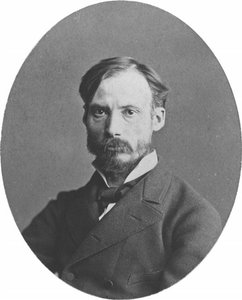
1841 - 1919 , França

Descubra as 25 obras-primas de Renoir, o mestre do Impressionismo! Explore a história, cores vibrantes e emoção por trás de quadros icônicos como 'Bal au moulin de la Galette'. Encontre reproduções de arte exclusivas para decorar sua casa com elegância em Most-Famous-Paintings.com.

Explore the captivating world of Pierre-Auguste Renoir! Discover his life, iconic Impressionist masterpieces & enduring legacy with our expert guide. High-quality reproductions available.

Descubra os 10 quadros impressionistas que revolucionaram a arte! Explore Monet, Renoir e outros artistas icônicos. Encontre reproduções de alta qualidade para decorar seu lar com beleza e história em Most-Famous-Paintings.com.

Descubra os 10 quadros impressionistas que revolucionaram a arte! Explore Monet, Renoir e outros mestres do Impressionismo. Encontre reproduções de alta qualidade para decorar sua casa com beleza e história em Most-Famous-Paintings.com.

Descubra os 10 quadros impressionistas mais icônicos de Monet, Renoir e Degas! Explore a história, cores vibrantes e técnicas revolucionárias do Impressionismo. Encontre reproduções de arte exclusivas para inspirar sua decoração em Most-Famous-Paintings.com.


Fique por dentro das últimas notícias de arte, ofertas exclusivas e ideias de decoração.
Conte-nos sobre o seu projeto e os nossos especialistas em arte fornecerão 3 sugestões de arte personalizadas.
Deixe que selecionamos 3 opções especialmente para você – Grátis!


 Visualizar em escala
 Enviar
 Compartilhar
 Ver detalhes

 Baixar
 Semelhantes
 Raio X
 Apresentação de slides
 Ver mais







 A opção de vidro está disponível apenas para tamanhos inferiores a 110 cm


