x

 Preview
 Encomendar pintura Comprar imagem em alta resolução
 Enviar
 Detalhes da obra
 Adicionar aos favoritos
 Baixar
 Semelhantes
 Raio X
 Slideshow
Impressão giclée ou em tela de qualidade de museu, com produção rápida e opções flexíveis de acabamento.





























Escolha entre os nossos tamanhos pré-definidos que respeitam as proporções originais da obra de arte.

Você pode inserir suas próprias dimensões para se ajustar a uma moldura ou espaço específico. Se o tamanho selecionado não corresponder às proporções da imagem original, iremos recortar a obra de arte ou estender a imagem com uma borda espelhada ou preenchimento sólido. Um mockup digital será enviado para sua aprovação antes do início da produção.
Por favor, observe que a visualização na tela não reflete o recorte ou a extensão real. Apenas o mockup mostrará com precisão a composição final.
Embora tamanhos personalizados estejam disponíveis, recomendamos selecionar uma dimensão da lista predefinida para preservar as proporções originais.
Entrega mundial () em 2 semanas, em vez das 4/5 semanas padrão. (25 Julho)


Pitcher
Dimensões da Reprodução
Pierre-Auguste Renoir’s “Pitcher,” a seemingly simple depiction of a ceramic vessel adorned with flowers, is far more than a mere arrangement. It’s a carefully constructed tableau brimming with Impressionistic light, color, and an intimate understanding of everyday beauty – hallmarks of the artist's signature style. Painted around 1914-1919, during a period when Renoir was exploring looser brushwork and a heightened focus on capturing fleeting moments, this work embodies his fascination with the domestic sphere and the subtle poetry found in ordinary objects. The painting isn’t about the pitcher itself; it's about the atmosphere surrounding it – the warmth of light filtering through a window, the suggestion of a table beneath, and the delicate interplay of color that evokes a sense of serene contemplation.

Renoir’s masterful use of Impressionistic techniques is immediately apparent. The palette is dominated by earthy browns – ochre, umber, and sienna – creating a warm, inviting base that contrasts beautifully with the vibrant splashes of red and purple in the flowers. He employs broken color, applying small, distinct brushstrokes to build up layers of pigment rather than blending them smoothly. This technique creates a shimmering effect, particularly noticeable on the pitcher’s glazed surface, as if light itself is dancing across its curves. The loose, visible brushwork contributes to the painting's sense of immediacy and spontaneity – capturing not just the appearance of the object but also the artist’s perception of it in that specific moment. Notice how he uses short, choppy strokes to define the texture of the ceramic, adding a tactile quality to the image.
Beyond its purely aesthetic qualities, “Pitcher” carries subtle symbolic weight. The pitcher itself represents domesticity, nurturing, and perhaps even abundance – a vessel for sustenance and beauty. The flowers, carefully arranged around it, symbolize life, growth, and the fleeting nature of pleasure. Their placement—one near the top left corner, another at the bottom right, and two in the center—creates a balanced composition that suggests harmony and equilibrium. The inclusion of a table hints at a space for rest and reflection, reinforcing the painting’s overall mood of quiet contentment. It's a scene rooted in the everyday, elevated to an artful meditation on beauty and tranquility.
“Pitcher” stands as a testament to Renoir’s pivotal role within the Impressionist movement. Following his early apprenticeship painting porcelain, he embraced a new approach to art, influenced by artists like Monet and Sisley. He sought to capture the effects of light and atmosphere rather than meticulously rendering form or detail. This shift in focus is vividly demonstrated in “Pitcher,” where the pitcher’s shape is suggested through color and brushstroke alone, prioritizing the experience of seeing over a literal representation. Like many Impressionist works, it invites the viewer to step into the scene, to feel the warmth of the light and appreciate the simple pleasures of life – a legacy that continues to resonate with audiences today. The painting’s enduring appeal lies in its ability to evoke a sense of nostalgia for a bygone era while simultaneously celebrating the beauty of the present moment.

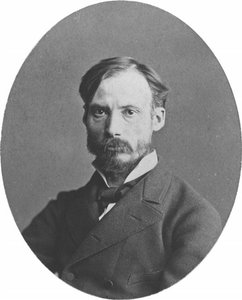
1841 - 1919 , França

Explore the captivating world of Bernard Cathelin, a master of French Poetic Realism. Discover his stunning still lifes & landscapes, and learn about his legacy with Most-Famous-Paintings.

Transforme seu restaurante com uma natureza morta personalizada! Most-Famous-Paintings cria obras de arte exclusivas em óleo, capturando a essência da sua culinária. Qualidade artesanal, processo transparente e legado duradouro. Solicite um orçamento!

Explore the rich history of still life painting & the symbolism of fruit across art movements. Discover masterpieces from Caravaggio to Cézanne with Most-Famous-Paintings – expert guidance & museum-quality reproductions.

Explore the rich history & symbolism of still life painting with Most-Famous-Paintings. Discover masterpieces from the Dutch Golden Age, learn about vanitas art, and find expert guidance for collecting timeless artworks.

Explore the captivating world of Severin Roesen, a major American still life painter influenced by Dutch masters. Discover his lush compositions and the symbolism within his art – a window into 19th-century America.


Fique por dentro das últimas notícias de arte, ofertas exclusivas e ideias de decoração.
Conte-nos sobre o seu projeto e os nossos especialistas em arte fornecerão 3 sugestões de arte personalizadas.
Deixe-nos selecionar 3 opções especialmente para você – Grátis!


 Compartilhar


 Ver mais







 A opção de vidro está disponível apenas para tamanhos inferiores a 110 cm