


x

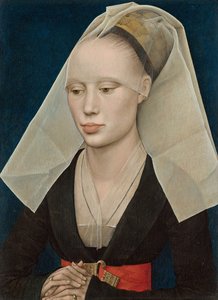
 Oil On PanelEarly Netherlandish Gothic
 1450Renaissance
 47.0 x 35.0 cm
 Museu do Prado
Adquira uma imagem digital de alta resolução e aprimorada, muito superior à prévia online.
Cada arquivo é meticulosamente preparado por nossos especialistas internos, utilizando ferramentas avançadas e retoques manuais de alta precisão. Garantimos que cada imagem apresente clareza excepcional, fidelidade de cores e detalhes minuciosos.
O arquivo final é entregue por e-mail em até 72 horas, otimizado para uso imediato em ambientes profissionais, editoriais e de impressão. Esta é a mesma qualidade utilizada por estúdios de design de alto nível, editoras e galerias.
Baixe um arquivo de alta resolução para exibição pessoal, impressão e projetos criativos. ( Encomendar impressão Encomendar reprodução pintada à mão)
Ao escolher o Most-Famous-Paintings.com, você não está apenas adquirindo uma imagem — você está recebendo uma obra de arte digital profissionalmente aprimorada, elaborada com precisão e com garantia de satisfação. Aqui está tudo o que acompanha seu pedido, automaticamente:

O seu arquivo de imagem digital em alta resolução será enviado por e-mail em até 72 horas após o pedido — pronto para uso imediato.

Sua obra de arte é otimizada profissionalmente por meio de ferramentas avançadas de IA e edição manual, garantindo o máximo de detalhes, clareza e precisão de cores.

Apagou ou perdeu o seu ficheiro acidentalmente? Não se preocupe – nós reenviamos para si a qualquer momento, gratuitamente.

Desfrute da sua obra de arte instantaneamente, sem taxas alfandegárias, impostos ou custos de entrega — downloads digitais são sempre isentos de taxas.

Garantimos que sua imagem digital reflita as cores originais com a maior fidelidade possível, utilizando ferramentas profissionais e gerenciamento de cores.

Se você não estiver satisfeito com sua imagem digital, nós a revisaremos ou reembolsaremos 100% dentro de 60 dias — sem perguntas.

Não está satisfeito? Receba o reembolso total em até 60 dias após o recebimento do seu arquivo digital — sem perguntas.

Compre 3 imagens, economize 10% - Compre 5, economize 15% - Compre 10+, economize 20%. Ideal para projetos criativos, galerias e agências.
In the quiet stillness of the mid-15th century, a profound transformation occurred in the landscape of Northern European art, moving away from stylized icons toward a visceral, breathing reality. At the heart of this movement stands Rogier van der<|image>Weyden’s Pietà, a masterpiece that does not merely depict a biblical event but invites the viewer into a sacred space of shared mourning. Completed around 1450, this oil on oak panel serves as a monumental testament to human suffering and divine compassion. The scene captures the heavy, heartbreaking moment where the Virgin Mary cradles the lifeless body of her son, Jesus Christ, after his descent from the cross. It is a composition that transcends time, offering a window into the soul of the Early Netherlandish period.
The technical brilliance of van der Weyden is nothing short of extraordinary, reflecting his early training as a goldsmith. This background is evident in the meticulous precision with which he renders every fold of fabric and every glint of light. The artist employs a sophisticated use of chiaroscuro, creating dramatic contrasts between deep, velvety shadows and luminous highlights that sculpt the figures with a three-dimensional presence. His mastery over the oil medium allows for an almost tactile quality; one can sense the weight of Christ’s limp limbs and the heavy, textured drapery of Mary’s robes. This sculptural approach to painting provides a grounded, tangible reality to the ethereal subject matter, making the divine tragedy feel intimately human.
Beyond its technical prowess, the Pietà is a masterclass in psychological realism and symbolic depth. While many contemporary works relied on rigid, symbolic gestures, van der Weyden pioneered an emotional language that speaks directly to the viewer's empathy. The facial expressions are not merely masks of grief but nuanced studies of sorrow, characterized by a quiet, dignified agony. Every element of the composition is designed to evoke compassio—the shared suffering of the Virgin with her son. The way the figures are arranged creates a sense of enclosed, intimate space, drawing the observer into a private moment of lamentation.
For the discerning collector or interior designer, this artwork offers more than just aesthetic beauty; it provides a focal point of profound contemplative power. The subtle interplay of light and shadow makes it a versatile piece for high-end environments, capable of anchoring a room with its historical gravity and somber elegance. Whether placed in a gallery setting or as a centerpiece in a curated collection of Renaissance reproductions, the Pietà commands attention through its ability to evoke a sense of peace, reverence, and timelessness. It remains an enduring icon of the International Gothic style, bridging the gap between the medieval devotion of the past and the humanistic realism of the burgeoning Renaissance.
1400 - 1464 , Bélgica


Fique por dentro das últimas notícias de arte, ofertas exclusivas e ideias de decoração.
Conte-nos sobre o seu projeto e os nossos especialistas em arte fornecerão 3 sugestões de arte personalizadas.
Deixe que selecionamos 3 opções especialmente para você – Grátis!


 Visualizar em escala
 Enviar
 Compartilhar
 Ver detalhes

 Baixar
 Semelhantes
 Raio X
 Apresentação de slides
 Ver mais