


x

Impressão giclée ou em tela de qualidade de museu, com produção rápida e opções flexíveis de acabamento. ( Encomendar reprodução pintada à mão Comprar imagem em alta resolução)





























Escolha entre os nossos tamanhos pré-definidos que respeitam as proporções originais da obra de arte.

Você pode inserir suas próprias dimensões para se ajustar a uma moldura ou espaço específico. Se o tamanho selecionado não corresponder às proporções da imagem original, iremos recortar a obra de arte ou estender a imagem com uma borda espelhada ou preenchimento sólido. Um mockup digital será enviado para sua aprovação antes do início da produção.
Por favor, observe que a visualização na tela não reflete o recorte ou a extensão real. Apenas o mockup mostrará com precisão a composição final.
Embora tamanhos personalizados estejam disponíveis, recomendamos selecionar uma dimensão da lista predefinida para preservar as proporções originais.
Entrega mundial () em 2 semanas, em vez das 4/5 semanas padrão. (22 Agosto)


Madonna e Filho com Dois Anjos
Dimensões da Reprodução
Alessandro di Mariano di Vanni Filipepi, universally known as Sandro Botticelli (1445–1510), stands as a cornerstone of the Early Renaissance in Florence—a period marked by an unprecedented revival of classical ideals and artistic innovation. His life unfolded within the vibrant intellectual landscape of his hometown, where he absorbed influences from prominent families like the Medici and cultivated connections with fellow artists who championed groundbreaking approaches to painting.
Botticelli’s formative years were shaped by a privileged upbringing—his father was a tanner, providing him with early exposure to craftsmanship and meticulous detail. He apprenticed under Fra Filippo Lippi, mastering the techniques of the Florentine school and forging ties with influential patrons who fueled artistic experimentation. This dedication to his craft would permeate his entire oeuvre, resulting in masterpieces that embody both elegance and profound symbolic depth.
“Madonna and Child with Two Angels,” created around 1468–1469 during Botticelli’s most prolific period, exemplifies the artistic spirit of his time. This tempera on panel painting resides within the Museo Nazionale di Capodimonte in Naples—a testament to its enduring beauty and historical significance. More than simply a depiction of Mary cradling Jesus, it delves into themes of piety, grace, and the burgeoning humanist convictions reshaping European art.
Botticelli’s stylistic hallmarks are immediately discernible: a delicate balance between Gothic formality and Renaissance naturalism. The figures possess remarkable poise—their postures convey serenity and their expressions radiate an ethereal luminescence. Observe particularly the flowing drapery, rendered with painstaking precision that suggests both sumptuousness and subtle awareness of volume and form. The color palette is restrained yet luminous; the vibrant red of Mary’s gown draws attention to the central subjects.
Botticelli's artistic vision aligns seamlessly with the intellectual currents of Florence during the Early Renaissance—a movement characterized by a fervent fascination for classical antiquity. Artists like Botticelli sought inspiration from Greek and Roman sculpture, striving to emulate their sense of beauty, proportion, and idealized human form. This influence is palpable in “Madonna and Child,” where Botticelli meticulously adheres to principles of harmonious composition.
The painting’s symmetry—the Virgin and Child occupying the precise center flanked by angels—reflects theological importance. However, it transcends mere static arrangement; dynamism is conveyed through subtle gestures and expressions. Mary’s gaze directs towards her son with an expression of ardent devotion, mirroring Christ’s gesture of blessing. The angel on the right extends a hand in benediction.
“Madonna and Child” overflows with symbolism—elements meticulously chosen to convey deeper spiritual meanings. Mary’s red gown represents purity and sacrifice, attributes associated with the Virgin Mother. The angels embody divine grace and protection, symbolizing intermediaries between humanity and God. Their gestures reinforce the painting's overarching message of faith and compassion.
The landscape backdrop—a glimpse of distant mountains and a bay—contributes to the scene’s tranquil atmosphere, inviting contemplation. Botticelli skillfully employs perspective, creating depth and enhancing the illusionistic quality of the artwork. This masterful technique underscores the artist's commitment to capturing not only visual beauty but also emotional resonance.
“Madonna and Child with Two Angels” remains a quintessential exemplar of Botticelli’s artistic genius—a testament to his mastery of technique, sensitivity to beauty, and ability to convey human emotion. Its influence extends across subsequent generations of painters, securing its place as one of the most cherished artworks of the Renaissance. Today, reproductions of this masterpiece offer an unparalleled opportunity to experience its timeless splendor.
At Most-Famous-Paintings.com, we pride ourselves on presenting meticulously crafted oil paintings reproductions of “Madonna and Child with Two Angels,” capturing the original’s luminosity and detail with exceptional accuracy. Explore our collection—including Botticelli's iconic "Birth of Venus" and "Portrait of a Young Man"—and discover how you can own a piece of art history.
To view high-resolution images and delve deeper into Sandro Botticelli’s artistic journey, visit here and here.
Discover the beauty of Italian Renaissance art with Most-Famous-Paintings.com! Explore our collection of hand-made oil paintings reproductions and learn more about the artists and their works.

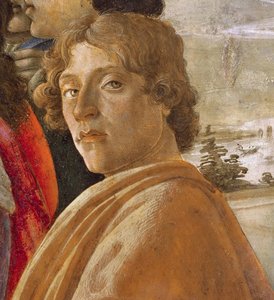
1445 - 1510 , Itália

Explore the profound alchemy of egg tempera painting. Discover how medieval masters used egg yolk and pure pigments to create luminous, enduring masterpieces that define art history. A deep dive into the disciplined techniques of the Old Masters for the true art enthusiast.

Master the science of art with our expert guide to oil, acrylic, tempera, and watercolor. Explore the chemistry, history, and techniques behind the world's greatest painting mediums, perfect for students, collectors, and lovers of fine art masterpieces.


Fique por dentro das últimas notícias de arte, ofertas exclusivas e ideias de decoração.
Conte-nos sobre o seu projeto e os nossos especialistas em arte fornecerão 3 sugestões de arte personalizadas.
Deixe que selecionamos 3 opções especialmente para você – Grátis!


 Visualizar em escala
 Enviar
 Compartilhar
 Ver detalhes

 Baixar
 Semelhantes
 Raio X
 Apresentação de slides

 Ver mais







 A opção de vidro está disponível apenas para tamanhos inferiores a 110 cm


