x

Impressão giclée ou em tela de qualidade de museu, com produção rápida e opções flexíveis de acabamento. ( Encomendar reprodução pintada à mão Comprar imagem em alta resolução)





























Escolha entre os nossos tamanhos pré-definidos que respeitam as proporções originais da obra de arte.

Você pode inserir suas próprias dimensões para se ajustar a uma moldura ou espaço específico. Se o tamanho selecionado não corresponder às proporções da imagem original, iremos recortar a obra de arte ou estender a imagem com uma borda espelhada ou preenchimento sólido. Um mockup digital será enviado para sua aprovação antes do início da produção.
Por favor, observe que a visualização na tela não reflete o recorte ou a extensão real. Apenas o mockup mostrará com precisão a composição final.
Embora tamanhos personalizados estejam disponíveis, recomendamos selecionar uma dimensão da lista predefinida para preservar as proporções originais.
Entrega mundial () em 2 semanas, em vez das 4/5 semanas padrão. (17 Agosto)


Primavera - (15)
Dimensões da Reprodução
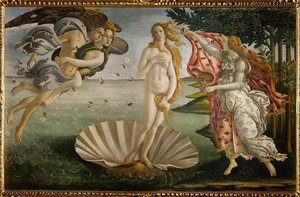
Sandro Botticelli’s Primavera, completed around 1482, stands as one of the most beloved paintings of the Early Renaissance—a visual poem capturing the essence of springtime and embodying humanist ideals. Commissioned by Lorenzo Medici for his wedding celebration, this masterpiece transcends mere depiction; it is an invitation to contemplate beauty, fertility, and the harmonious balance between humanity and nature. The painting depicts nine figures arranged in a circular grove beneath a blossoming almond tree, creating a scene that feels both otherworldly and deeply grounded in the natural world. At its center stands Venus, goddess of love and beauty, attended by Zephyr and Chloris—the West Wind and Flora, the goddess of flowers—who bring forth blossoms from the barren branches. Surrounding them are the Three Graces – Kore, Thalia, Euphrosyne – dancing joyously, symbolizing youthful exuberance and grace. Apollo, accompanied by Selene, watches over the scene, representing intellect and divine illumination.
The atmosphere of the work is one of profound abundance. As one gazes upon this masterpiece, they are transported into an idyllic, enchanted garden where the boundaries between the earthly and the divine blur. The painting captures a moment of eternal renewal, where every petal and every figure contributes to a larger narrative of life's cyclical rebirth. For the collector or interior designer, this piece offers more than just aesthetic pleasure; it provides a window into a world of classical elegance that can breathe life and a sense of serene vitality into any sophisticated space.
Botticelli's mastery lies in his exquisitely refined technique—a hallmark of Florentine painting during this period. Employing tempera on poplar wood, he achieved astonishing luminosity and detail through the meticulous layering of translucent glazes. This method allowed him to capture the ethereal quality of light and color, creating an atmosphere that is both serene and vibrant. Observe how Botticelli skillfully renders the textures of petals, drapery, and skin with remarkable precision—a testament to his dedication to anatomical accuracy informed by classical observation.
The visual rhythm of the piece is dictated by a delicate, linear grace. Unlike some of his contemporaries who focused heavily on heavy shadows, Botticelli utilized flowing lines to guide the eye through the grove, creating a sense of movement that mimics a gentle breeze passing through the trees. This rhythmic quality makes Primavera an exceptional choice for high-quality reproductions, as the intricate details of the flora and the soft, luminous skin tones are preserved with breathtaking clarity, allowing the light within the painting to interact beautifully with the ambient light of a room.
Beyond its surface beauty, Primavera draws heavily upon imagery from Greek mythology, reflecting the humanist revival that characterized Renaissance Florence. Each element is steeped in meaning: the almond tree symbolizes rebirth and fertility, mirroring the cyclical rhythms of nature and aligning with the era's intellectual fascination with classical antiquity. The figures themselves embody specific virtues—love, joy, and harmony—making the painting a meditative exploration of the human condition.
The interplay between the characters serves as an allegory for the transformative power of love and intellect. When Zephyr pursues Chloris, transforming her into Flora, we witness the literal blossoming of nature through passion. This deep layer of symbolism ensures that the artwork remains intellectually stimulating long after its initial visual impact is felt. For those seeking to curate a collection that speaks to both the heart and the mind, this Botticelli masterpiece offers an unparalleled depth of narrative, making it a timeless cornerstone for any curated interior.

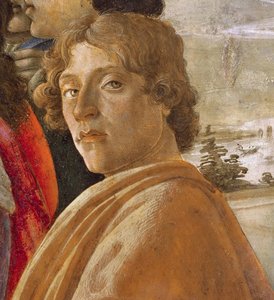
1445 - 1510 , Itália

Explore the profound intersection of science and beauty in botanical illustration. From ancient herbals to Renaissance masters, discover the history, technical mastery, and enduring elegance of nature's most precise artistic records.

Explore the intrepid life and vibrant botanical artistry of Marianne North. Our expert guide delves into her global expeditions, scientific legacy, and the breathtaking landscapes that redefined Victorian botanical illustration for art history enthusiasts.


Fique por dentro das últimas notícias de arte, ofertas exclusivas e ideias de decoração.
Conte-nos sobre o seu projeto e os nossos especialistas em arte fornecerão 3 sugestões de arte personalizadas.
Deixe que selecionamos 3 opções especialmente para você – Grátis!


 Visualizar em escala
 Enviar
 Compartilhar
 Ver detalhes

 Baixar
 Semelhantes
 Raio X
 Apresentação de slides

 Ver mais







 A opção de vidro está disponível apenas para tamanhos inferiores a 110 cm