x


 Preview
 Encomendar pintura Comprar imagem em alta resolução
 Enviar
 Detalhes da obra
 Adicionar aos favoritos
 Baixar
 Semelhantes
 Raio X
 Slideshow
Impressão giclée ou em tela de qualidade de museu, com produção rápida e opções flexíveis de acabamento.





























Escolha entre os nossos tamanhos pré-definidos que respeitam as proporções originais da obra de arte.

Você pode inserir suas próprias dimensões para se ajustar a uma moldura ou espaço específico. Se o tamanho selecionado não corresponder às proporções da imagem original, iremos recortar a obra de arte ou estender a imagem com uma borda espelhada ou preenchimento sólido. Um mockup digital será enviado para sua aprovação antes do início da produção.
Por favor, observe que a visualização na tela não reflete o recorte ou a extensão real. Apenas o mockup mostrará com precisão a composição final.
Embora tamanhos personalizados estejam disponíveis, recomendamos selecionar uma dimensão da lista predefinida para preservar as proporções originais.
Entrega mundial () em 2 semanas, em vez das 4/5 semanas padrão. (23 Julho)


Saint sebastian
Dimensões da Reprodução
Sandro Botticelli's “Saint Sebastian,” painted around 1474, is not merely a depiction of a martyred figure; it’s an exquisitely rendered meditation on suffering, faith, and the enduring power of the human spirit. This iconic work, housed within the Gemäldegalerie in Berlin, transcends its religious subject matter to become a timeless exploration of vulnerability and resilience—a testament to Botticelli's mastery of classical form and his profound understanding of human emotion. The painting immediately draws the eye with its strikingly nude figure, standing serenely before a monumental blue circle, an element that has fueled much scholarly debate regarding its precise meaning – perhaps representing the heavens or a symbolic boundary.
Botticelli’s approach to the subject matter diverges significantly from earlier depictions of Sebastian. While previous portrayals often emphasized the brutality of his ordeal—the arrows piercing his flesh, the agonizing expressions of pain—Botticelli presents a remarkably composed and dignified image. The saint's face is devoid of anguish; instead, he gazes outwards with an almost unnerving composure, suggesting a profound acceptance of his fate and a connection to something beyond earthly suffering. This deliberate restraint invites contemplation rather than immediate emotional response, prompting the viewer to consider the deeper spiritual implications of Sebastian’s sacrifice.
Botticelli's artistic style in “Saint Sebastian” is a fascinating blend of influences—a harmonious marriage between the elegance of late Gothic tradition and the burgeoning innovations of the Early Renaissance. The figure itself embodies classical ideals of beauty, with its balanced proportions, graceful pose (a subtle contrapposto), and idealized musculature. However, Botticelli doesn’t simply replicate classical forms; he imbues them with a distinctly Italian sensibility. Notice the delicate rendering of skin tones, the meticulous attention to detail in the folds of his loincloth, and the subtly expressive quality of his hands—all hallmarks of Botticelli's unique artistic vision.
Technically, the painting is executed in oil on wood panel, a medium that allowed Botticelli to achieve remarkable luminosity and depth. The use of color is restrained yet sophisticated, with the dominant blue of the surrounding circle creating a dramatic contrast against the pale flesh tones of Sebastian. The artist’s brushwork is remarkably smooth and refined, contributing to the overall sense of serenity and composure. It's a testament to his skill that he manages to convey such intense emotion through subtle gestures and carefully considered details.
Beyond its formal beauty, “Saint Sebastian” is rich in symbolic meaning. The arrows themselves are often interpreted as representing the wounds of sin and suffering—a reminder of humanity’s fallen state. However, Sebastian's unwavering gaze suggests a transcendence of earthly pain, pointing towards salvation and divine grace. The blue circle surrounding him can be seen as a symbol of heaven or the celestial realm, emphasizing the saint’s ultimate destination. The presence of two figures in the background—one on either side—adds another layer of complexity to the composition, perhaps representing witnesses to Sebastian's sacrifice or symbolizing the broader community of believers.
Interestingly, Botticelli’s depiction of Sebastian aligns with a shift in artistic representation during this period. While earlier portrayals focused heavily on the physical suffering of the saint, Botticelli emphasizes his spiritual fortitude and inner peace. This reflects a growing interest in exploring themes of faith, virtue, and the afterlife within Renaissance art—a move away from purely narrative depictions towards more introspective and symbolic representations.
Most-Famous-Paintings offers meticulously crafted hand-painted reproductions of Botticelli’s “Saint Sebastian,” allowing you to bring this extraordinary artwork into your home or office. Our skilled artists replicate the painting's exquisite detail, luminous colors, and nuanced emotional depth with unparalleled accuracy. Whether you are an art enthusiast, a collector, or simply seeking a stunning piece of décor, our reproductions provide a faithful representation of Botticelli’s masterpiece—a timeless symbol of faith, resilience, and the enduring beauty of the human spirit.

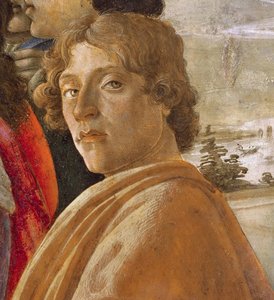
1445 - 1510 , Itália

Explore the Italian Renaissance! Discover humanist ideals, iconic masterpieces by Leonardo, Michelangelo & Raphael, and lasting artistic innovations. A comprehensive guide for art enthusiasts.

Descubra os 10 maiores ícones da Alta Renascença! Explore a história, técnica e beleza de obras de Leonardo da Vinci, Michelangelo e Rafael. Encontre reproduções de arte exclusivas para decorar sua casa com Most-Famous-Paintings.com.

Descubra a arte de transformar memórias em retratos a óleo personalizados e reproduções de alta qualidade. Artistas experientes, técnicas clássicas e investimento seguro para colecionadores exigentes. Most-Famous-Paintings.com.

Descubra as 10 obras primas em óleo que moldaram a história da arte! Explore Van Gogh, Monet, Da Vinci e outros mestres. Reproduções de alta qualidade para sua decoração. Explore a coleção completa na Most-Famous-Paintings.com

Descubra os 25 tesouros da Galeria Uffizi, em Florença! Explore a história de Botticelli, Leonardo da Vinci e Michelangelo. Encontre reproduções de arte renascentista para decorar sua casa com elegância. Most-Famous-Paintings.


Fique por dentro das últimas notícias de arte, ofertas exclusivas e ideias de decoração.
Conte-nos sobre o seu projeto e os nossos especialistas em arte fornecerão 3 sugestões de arte personalizadas.
Deixe-nos selecionar 3 opções especialmente para você – Grátis!


 Compartilhar


 Ver mais







 A opção de vidro está disponível apenas para tamanhos inferiores a 110 cm