
Venda sua arte
Lista de desejos Carrinho de compras Cart
Visualizar em escalaVisualizar em escala Visualizar em RAVisualizar em RA Encomendar impressão Encomendar impressãoEncomendar reprodução pintada à mão Encomendar reprodução pintada à mão EnviarEnviar
Ver detalhesVer detalhes Adicionar aos favoritos Adicionar aos favoritos BaixarBaixar SemelhantesSemelhantes Raio XRaio X Apresentação de slidesApresentação de slides

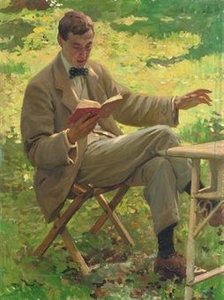
Exmoor

This is a meticulously hand-painted reproduction, created by skilled artists using high-quality materials to faithfully recreate the original artwork. Each piece is unique and offers an accessible way to own a treasured work of art.

Sir Alfred Munnings: O mestre da pintura equina e retratista da vida rural inglesa! Celebre a beleza dos cavalos, caçadores e paisagens tradicionais com este artista icônico.

Adquira uma imagem digital de alta resolução e aprimorada, muito superior à prévia online.

Cada arquivo é meticulosamente preparado por nossos especialistas internos, utilizando ferramentas avançadas e retoques manuais de alta precisão. Garantimos que cada imagem apresente clareza excepcional, fidelidade de cores e detalhes minuciosos.

O arquivo final é entregue por e-mail em até 72 horas, otimizado para uso imediato em ambientes profissionais, editoriais e de impressão. Esta é a mesma qualidade utilizada por estúdios de design de alto nível, editoras e galerias.

Imagem Digital

Baixe um arquivo de alta resolução para exibição pessoal, impressão e projetos criativos. (Encomendar impressão Encomendar impressãoEncomendar reprodução pintada à mão Encomendar reprodução pintada à mão)

Preço Total

$ 24,90

Incluído em cada pedido de imagem digital

Entrega Digital Especializada e Garantida

Ao escolher o Most-Famous-Paintings.com, você não está apenas adquirindo uma imagem — você está recebendo uma obra de arte digital profissionalmente aprimorada, elaborada com precisão e com garantia de satisfação. Aqui está tudo o que acompanha seu pedido, automaticamente:

shipping_icon
Entrega rápida por e-mail

O seu arquivo de imagem digital em alta resolução será enviado por e-mail em até 72 horas após o pedido — pronto para uso imediato.

canvas_icon
Arquivo Digital com IA Otimizado

Sua obra de arte é otimizada profissionalmente por meio de ferramentas avançadas de IA e edição manual, garantindo o máximo de detalhes, clareza e precisão de cores.

insurance_icon
Reenvio gratuito vitalício

Apagou ou perdeu o seu ficheiro acidentalmente? Não se preocupe – nós reenviamos para si a qualquer momento, gratuitamente.

tax_icon
Sem Taxas de Importação - Sempre

Desfrute da sua obra de arte instantaneamente, sem taxas alfandegárias, impostos ou custos de entrega — downloads digitais são sempre isentos de taxas.

color_icon
Garantia de Precisão de Cores

Garantimos que sua imagem digital reflita as cores originais com a maior fidelidade possível, utilizando ferramentas profissionais e gerenciamento de cores.

return_icon
Garantia de Satisfação de 60 Dias

Se você não estiver satisfeito com sua imagem digital, nós a revisaremos ou reembolsaremos 100% dentro de 60 dias — sem perguntas.

guarantee_icon
Garantia de Reembolso 100%

Não está satisfeito? Receba o reembolso total em até 60 dias após o recebimento do seu arquivo digital — sem perguntas.

discount_icon
Descontos para pedidos em lote

Compre 3 imagens, economize 10% - Compre 5, economize 15% - Compre 10+, economize 20%. Ideal para projetos criativos, galerias e agências.

Detalhes Rápidos

  • Artist: Sir Alfred James Munnings
  • Medium: Oil paint on canvas
  • Notable elements or techniques: Impasto technique
  • Artistic style: Post-Impressionism
  • Title: Exmoor
  • Movement: Impressionism

Teste de Conhecimentos Artísticos

Cada pergunta possui apenas uma resposta correta.

Questão 1:
What is the primary subject matter depicted in ‘Exmoor’?
Questão 2:
Which artistic style is most closely associated with ‘Exmoor’?
Questão 3:
What technique is prominently used in the painting to convey atmospheric effects?
Questão 4:
The painting’s muted color palette contributes to what overall mood?
Questão 5:
Based on its description, where was Sir Alfred Munnings born?

Descrição do Colecionável

A Vision of Exmoor's Tranquility: Munnings’s “Exmoor”

Sir Alfred James Munnings’s “Exmoor,” completed around 1923, isn’t merely a depiction of the Somerset landscape; it’s an embodiment of Edwardian England’s fascination with untamed beauty and the enduring spirit of rural tradition. Painted in oil on canvas, this artwork captures a moment frozen in time—a serene vista overlooking Exmoor National Park bathed in diffused sunlight, reflecting Munnings's profound respect for the natural world and his masterful ability to convey atmosphere. The painting speaks volumes about the era’s preoccupation with capturing fleeting impressions of nature before it succumbed to industrialization.
  • Subject Matter: The scene portrays Exmoor’s expansive hillsides, punctuated by rocky outcrops and a ribbon of coastline where crashing waves meet the shore. Munnings meticulously rendered the textures of heather moorland and the turbulent sea, striving for an honest representation of the region's character.
  • Style & Technique: Munnings adhered to Impressionistic principles—a hallmark of his oeuvre—characterized by loose brushstrokes that prioritize capturing light and color over precise detail. The impasto technique is particularly prominent in areas like the shoreline rocks, creating a palpable sense of physicality and reinforcing the painting’s connection to its environment.
  • Color Palette: Dominating the palette are earthy hues – muted greens mirroring the moorland vegetation, browns representing the weathered rock formations, and blues conveying the restless ocean currents. Subtle variations in tone contribute to an overall feeling of tranquility and evoke the mood of a misty Exmoor morning.
  • Composition & Perspective: The panoramic format emphasizes the grandeur of Exmoor’s landscape, positioning the horizon line centrally to divide the image into sky and landmass. Atmospheric perspective subtly diminishes the detail of distant hills, creating depth and reinforcing the impression of vastness—a deliberate artistic choice reflecting Munnings's desire to convey a sense of timeless beauty.
Historical Context: “Exmoor” emerged during a period marked by significant social and cultural shifts in Britain. The Edwardian era witnessed a growing appreciation for the countryside as an antidote to urban pressures, fueled by anxieties about industrialization and societal change. Munnings’s artwork reflects this zeitgeist—a celebration of rural life and a yearning for connection with nature that resonated deeply within his contemporaries. It stands as a testament to the enduring power of landscape painting to capture not just visual appearances but also emotional responses. Symbolic Significance: Beyond its aesthetic qualities, “Exmoor” carries symbolic weight. The heather moorland represents resilience and solitude—themes central to Munnings’s artistic vision. The crashing waves symbolize both destructive force and regenerative renewal, mirroring the cyclical rhythms of nature itself. Taken together, these elements convey a profound meditation on the relationship between humanity and the natural world—a message that continues to inspire viewers today. Emotional Impact: Viewing “Exmoor” evokes feelings of serenity and contemplation. The painting’s muted colors and soft brushstrokes invite the viewer into a space of quiet reflection, transporting them back to a bygone era when England's artistic spirit was firmly rooted in the beauty of its landscapes. It serves as an enduring reminder that true artistry lies not merely in replicating what is seen but in conveying what is felt—a legacy upheld by Munnings’s masterful depiction of Exmoor’s timeless charm.

Biografia do Artista

A Life Immersed in Equine Grace

Sir Alfred James Munnings, a name inextricably linked to the vibrant depiction of horses and the romantic allure of rural England, occupies a pivotal position within 20th-century British art. Born in 1878 amidst the rolling landscapes of Suffolk, his life was profoundly shaped by an enduring connection with the equine world – a bond that would define his artistic vision and propel him to prominence. Munnings wasn’t simply recording what he saw; he was preserving a feeling, an atmosphere, a world poised on the brink of irreversible change. He captured a vanishing way of life, a keenly observed portrait of Britain steeped in tradition, hunting, and the rhythms of the countryside. His early works often depicted rural scenes, particularly those featuring gypsies and horses roaming the Suffolk countryside, imbued with a romantic sensibility that showcased his growing mastery of color and light. These paintings weren’t merely representations; they were expressions of a deep affection for the land and its inhabitants.

From Rural Beginnings to Artistic Development

Munnings’s artistic journey began not within the formal confines of an academy, but in the practical world of a Norwich printing house. This apprenticeship honed his skills in design and observation while simultaneously allowing him to pursue studies at the Norwich School of Art. It was a formative period, instilling a discipline that would serve him well as he navigated the challenges of establishing himself as an artist. Early influences included the plein air painters of the Newlyn School in Cornwall, where he embraced their commitment to capturing light and atmosphere directly from nature. This immersion in Impressionistic techniques laid the groundwork for his signature style – loose brushwork, a vibrant palette, and a palpable sense of movement. He was particularly drawn to the work of Henri de Toulouse-Lautrec, whose depictions of Parisian nightlife influenced his later compositions. Munnings’s early subjects often included scenes of rural life, capturing the essence of working horses and the traditions associated with farming and hunting. His ability to convey both the physical beauty of these animals and the emotional connection between humans and horses quickly established him as a distinctive voice in British art.

War, Recognition, and a Champion of Tradition

The First World War profoundly shaped both Munnings's artistic perspective and his public profile. Though initially deemed unfit for combat due to an eye injury sustained in 1908, he was nonetheless commissioned by the Canadian War Memorials Fund to document the role of horses in the conflict. This led him to France, where he spent several months meticulously painting scenes of the Canadian Cavalry Brigade – not glorifying battle but capturing the quiet dignity and resilience of both men and animals amidst the horrors of war. These paintings, characterized by their understated realism and poignant emotional depth, garnered significant acclaim and brought Munnings national recognition. Following the war, Munnings continued to paint extensively, establishing a studio in Dedham, Essex, where he created a prolific body of work depicting hunting scenes, racing events, and portraits of prominent figures from the aristocracy and sporting world. He became known for his ability to capture not only physical likeness but also the character and spirit of his subjects. However, Munnings was also a staunch defender of traditional artistic values, often expressing his disapproval of modern art movements such as Cubism and Surrealism with outspokenness and conviction.

Major Achievements

  • Royal Academy President: Elected President of the Royal Academy in 1944, serving until 1949.
  • Knighthood: Knighted Bachelor in 1944 and appointed a Knight Commander of the Royal Victorian Order in 1947.
  • War Artist Commissions: Recognized for his work documenting the Canadian Cavalry during WWI.
  • Sculptural Work: Created sculptures, including an equestrian statue of Edward Horner.

His legacy endures not only through his masterful paintings but also as a passionate advocate for artistic tradition in a rapidly modernizing world.
Alfred Munnings

Alfred Munnings

1878 - 1959 , Reino Unido

Informações Rápidas

  • Artistic Movement Or Style: Impressionismo
  • Artists Or Movements Influenced By This Artist: ['Modernismo']
  • Artists Who Influenced This Artist: ['Escola de Newlyn']
  • Date Of Birth: 1878
  • Date Of Death: 1959
  • Full Name: Sir Alfred James Munnings
  • Nationality: Britânico
  • Notable Artworks:
    • A Fancy Dress Ball
    • A Piper
    • Sky Study -
  • Place Of Birth: Mendham, Reino Unido

