


x

Impressão giclée ou em tela de qualidade de museu, com produção rápida e opções flexíveis de acabamento. ( Encomendar reprodução pintada à mão Comprar imagem em alta resolução)





























Escolha entre os nossos tamanhos pré-definidos que respeitam as proporções originais da obra de arte.

Você pode inserir suas próprias dimensões para se ajustar a uma moldura ou espaço específico. Se o tamanho selecionado não corresponder às proporções da imagem original, iremos recortar a obra de arte ou estender a imagem com uma borda espelhada ou preenchimento sólido. Um mockup digital será enviado para sua aprovação antes do início da produção.
Por favor, observe que a visualização na tela não reflete o recorte ou a extensão real. Apenas o mockup mostrará com precisão a composição final.
Embora tamanhos personalizados estejam disponíveis, recomendamos selecionar uma dimensão da lista predefinida para preservar as proporções originais.
Entrega mundial () em 2 semanas, em vez das 4/5 semanas padrão. (21 Agosto)


The Letter
Dimensões da Reprodução
Sir John Lavery's "The Letter," painted in 1908, isn’t merely a portrait; it’s a carefully constructed tableau of domestic intimacy and subtle emotional depth. Captured with the Impressionistic brushstrokes characteristic of his later work, the painting depicts a woman seated on a plush bed, completely absorbed in reading a letter – an act that immediately invites speculation about its contents and the recipient's impact. Lavery masterfully eschews overt drama, instead focusing on capturing a fleeting moment of quiet contemplation, a stillness that speaks volumes about the subject’s inner world.
The painting’s composition is deceptively simple yet profoundly effective. The woman, positioned slightly off-center, anchors the scene while the four-poster bed and flowing curtains create a sense of enveloping comfort and privacy. Notice how Lavery uses the architecture to subtly guide the viewer's eye – the receding lines of the bed frame and window draw us into the intimate space, mirroring the subject’s absorption in her reading. The color palette is deliberately muted—soft yellows, creams, and pale blues dominate—evoking a sense of warmth and serenity, while touches of pink in the woman’s dress and cheeks offer delicate highlights that prevent the scene from becoming overly somber.
Lavery’s Impressionistic style is evident in every brushstroke. He employs a technique of layering thin washes of oil paint, building up color gradually to create luminous effects and a sense of atmospheric depth. The visible texture of the paint—the loose, broken strokes—contribute significantly to the painting's overall feeling of immediacy and spontaneity. Unlike more rigid academic styles, Lavery prioritized capturing the *impression* of light and color rather than precise detail. This is particularly noticeable in the rendering of the fabrics – the velvet curtains appear almost weightless, while the woman’s dress flows with a subtle grace.
The artist's influence from Whistler is palpable; Lavery shared Whistler’s interest in capturing fleeting moments and exploring the interplay of light and color. However, unlike Whistler’s often abstract compositions, Lavery grounds his work in recognizable subjects—portraits, landscapes, and scenes of everyday life—making them accessible to a wider audience. “The Letter” exemplifies this balance between artistic experimentation and narrative clarity.
Beyond its surface beauty, "The Letter" is rich with symbolic potential. The act of reading a letter inherently carries layers of meaning – anticipation, revelation, perhaps even heartbreak or longing. The woman’s posture—her head bent slightly downward, her gaze fixed on the page—suggests deep concentration and vulnerability. She's not simply reading; she’s receiving something that profoundly affects her.
Considering Lavery’s own life – his early loss of parents, his subsequent moves between Glasgow and London, and his later years spent in Ireland – it’s possible to interpret the painting as a reflection on themes of connection, isolation, and the enduring power of communication. The letter itself becomes a conduit for unspoken emotions and hidden desires. The subtle details—the delicate lace collar, the worn velvet cushion—add further layers of meaning, hinting at a life lived within the confines of domesticity.
“The Letter” is a quintessential example of Sir John Lavery’s remarkable talent for capturing the spirit of his age. Painted during a period of rapid social change in Britain, it offers a glimpse into the private lives of the upper classes – their rituals, their affections, and their quiet moments of reflection. Lavery's ability to portray both outward elegance and inner complexity cemented his reputation as one of the most sought-after portraitists of his time. Reproductions of this evocative work continue to resonate with viewers today, offering a timeless reminder of the power of a single, carefully observed moment.

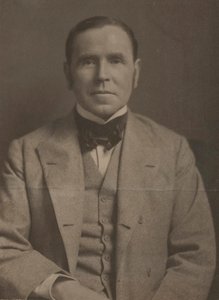
1856 - 1941 , Irlanda

Explore the profound symbolism of women reading through art history. From Renoir to Pissarro, discover how masterworks capture intellectual depth, privacy, and the soul's journey inward. An expert guide for fine art enthusiasts and collectors.

Explore the profound revolution of Post-Impressionism. Delve into the history, techniques, and emotional depth of masters like Van Gogh and Seurat. Discover how to transform your space with museum-quality, hand-painted oil reproductions of these iconic masterpieces.


Fique por dentro das últimas notícias de arte, ofertas exclusivas e ideias de decoração.
Conte-nos sobre o seu projeto e os nossos especialistas em arte fornecerão 3 sugestões de arte personalizadas.
Deixe que selecionamos 3 opções especialmente para você – Grátis!


 Visualizar em escala
 Enviar
 Compartilhar
 Ver detalhes

 Baixar
 Semelhantes
 Raio X
 Apresentação de slides


 Ver mais







 A opção de vidro está disponível apenas para tamanhos inferiores a 110 cm


