x

Adquira uma imagem digital de alta resolução e aprimorada, muito superior à prévia online.
Cada arquivo é meticulosamente preparado por nossos especialistas internos, utilizando ferramentas avançadas e retoques manuais de alta precisão. Garantimos que cada imagem apresente clareza excepcional, fidelidade de cores e detalhes minuciosos.
O arquivo final é entregue por e-mail em até 72 horas, otimizado para uso imediato em ambientes profissionais, editoriais e de impressão. Esta é a mesma qualidade utilizada por estúdios de design de alto nível, editoras e galerias.
Baixe um arquivo de alta resolução para exibição pessoal, impressão e projetos criativos. ( Encomendar impressão Encomendar reprodução pintada à mão)
Ao escolher o Most-Famous-Paintings.com, você não está apenas adquirindo uma imagem — você está recebendo uma obra de arte digital profissionalmente aprimorada, elaborada com precisão e com garantia de satisfação. Aqui está tudo o que acompanha seu pedido, automaticamente:

O seu arquivo de imagem digital em alta resolução será enviado por e-mail em até 72 horas após o pedido — pronto para uso imediato.

Sua obra de arte é otimizada profissionalmente por meio de ferramentas avançadas de IA e edição manual, garantindo o máximo de detalhes, clareza e precisão de cores.

Apagou ou perdeu o seu ficheiro acidentalmente? Não se preocupe – nós reenviamos para si a qualquer momento, gratuitamente.

Desfrute da sua obra de arte instantaneamente, sem taxas alfandegárias, impostos ou custos de entrega — downloads digitais são sempre isentos de taxas.

Garantimos que sua imagem digital reflita as cores originais com a maior fidelidade possível, utilizando ferramentas profissionais e gerenciamento de cores.

Se você não estiver satisfeito com sua imagem digital, nós a revisaremos ou reembolsaremos 100% dentro de 60 dias — sem perguntas.

Não está satisfeito? Receba o reembolso total em até 60 dias após o recebimento do seu arquivo digital — sem perguntas.

Compre 3 imagens, economize 10% - Compre 5, economize 15% - Compre 10+, economize 20%. Ideal para projetos criativos, galerias e agências.
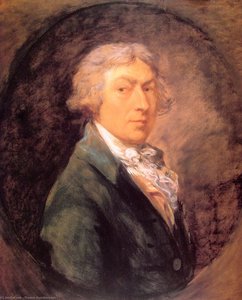
Thomas Phillips’s “Portrait of Joseph Banks” is more than simply a likeness; it's a meticulously crafted tableau of scientific ambition, colonial aspiration, and the burgeoning confidence of the British Enlightenment. Completed in 1809, this remarkable painting captures Sir Joseph Banks – a man who profoundly shaped our understanding of the natural world – at the apex of his influence as President of the Royal Society and a key figure in Captain James Cook’s groundbreaking voyages. The image isn't merely a representation of a man; it’s an embodiment of a nation’s expanding horizons, a visual testament to the era’s fervent belief in exploration and discovery.
The composition immediately draws the eye to Banks himself, seated with dignified composure within the opulent confines of the Royal Society's Presidential chair. The chair, adorned with its coat of arms – a potent symbol of authority and scientific prestige – anchors him firmly within his position of leadership. His posture is one of quiet strength, yet there’s an undeniable air of intellectual curiosity about him; his gaze, directed directly at the viewer, invites engagement and suggests a mind constantly engaged in observation and analysis. The subtle tilt of his head, combined with the slight downward cast of his eyes, hints at a contemplative nature, a man deeply immersed in the intricacies of the natural world.
Phillips’s mastery lies not just in capturing Banks's likeness but in rendering the textures and nuances of his attire and surroundings with astonishing precision. The painting is executed in the style of English portraiture prevalent during the early 19th century, characterized by a refined elegance and an emphasis on realistic detail. The use of oil paints allows for a remarkable depth of color and shading, creating a sense of three-dimensionality that brings the scene to life. Note the meticulous rendering of Banks’s coat – the rich fabric, the subtle sheen of the buttons, the intricate embroidery—each element contributing to an overall impression of wealth, status, and scholarly dedication.
The background is equally significant. The marble fireplace, with its lion's head motif, speaks to the grandeur of the Royal Society’s headquarters. The inclusion of a manuscript detailing botanical discoveries – a clear reference to Banks’s life’s work – subtly reinforces his scientific credentials. Even the placement of the mace cushion and inkstand, symbols of authority and intellectual pursuit, are carefully considered, adding layers of meaning to the composition.
“Portrait of Joseph Banks” is inextricably linked to the era’s colonial ambitions. Banks's role in Cook’s voyages was pivotal in establishing British presence in Australia and shaping early scientific understanding of the Pacific region. The painting, therefore, can be interpreted as a visual endorsement of this expansionist policy. Banks’s confident demeanor and association with the Royal Society project an image of British intellectual superiority—a narrative designed to justify colonial endeavors.
However, it's crucial to acknowledge the complexities inherent in this interpretation. While the painting undoubtedly celebrates British scientific achievement, it also reflects the ethical dilemmas associated with colonialism. Banks’s legacy is one of both remarkable discovery and complicity in a system that profoundly impacted Indigenous populations. Considering these historical nuances adds depth and resonance to our understanding of the artwork.
Beyond its historical context, “Portrait of Joseph Banks” possesses a powerful emotional resonance. The painting evokes a sense of intellectual curiosity, quiet determination, and the enduring human desire to explore and understand the world around us. Banks’s gaze invites viewers to share in his passion for knowledge and his belief in the transformative power of scientific discovery.
Reproductions of this iconic portrait continue to captivate audiences today, serving as a reminder of a pivotal figure in the history of science and exploration. It stands not just as a beautiful work of art but as a window into a fascinating era—an era defined by both remarkable progress and profound ethical challenges.


1770 - 1845 , Reino Unido


Fique por dentro das últimas notícias de arte, ofertas exclusivas e ideias de decoração.
Conte-nos sobre o seu projeto e os nossos especialistas em arte fornecerão 3 sugestões de arte personalizadas.
Deixe que selecionamos 3 opções especialmente para você – Grátis!


 Visualizar em escala
 Enviar
 Compartilhar
 Ver detalhes

 Baixar
 Semelhantes
 Raio X
 Apresentação de slides


 Ver mais