


x

 Oil On CanvasWallArtBaroque Renaissance
 1548
1548 68.0 x 53.0 cm
 Museu do Prado
Adquira uma imagem digital de alta resolução e aprimorada, muito superior à prévia online.
Cada arquivo é meticulosamente preparado por nossos especialistas internos, utilizando ferramentas avançadas e retoques manuais de alta precisão. Garantimos que cada imagem apresente clareza excepcional, fidelidade de cores e detalhes minuciosos.
O arquivo final é entregue por e-mail em até 72 horas, otimizado para uso imediato em ambientes profissionais, editoriais e de impressão. Esta é a mesma qualidade utilizada por estúdios de design de alto nível, editoras e galerias.
Baixe um arquivo de alta resolução para exibição pessoal, impressão e projetos criativos. ( Encomendar impressão Encomendar reprodução pintada à mão)
Ao escolher o Most-Famous-Paintings.com, você não está apenas adquirindo uma imagem — você está recebendo uma obra de arte digital profissionalmente aprimorada, elaborada com precisão e com garantia de satisfação. Aqui está tudo o que acompanha seu pedido, automaticamente:

O seu arquivo de imagem digital em alta resolução será enviado por e-mail em até 72 horas após o pedido — pronto para uso imediato.

Sua obra de arte é otimizada profissionalmente por meio de ferramentas avançadas de IA e edição manual, garantindo o máximo de detalhes, clareza e precisão de cores.

Apagou ou perdeu o seu ficheiro acidentalmente? Não se preocupe – nós reenviamos para si a qualquer momento, gratuitamente.

Desfrute da sua obra de arte instantaneamente, sem taxas alfandegárias, impostos ou custos de entrega — downloads digitais são sempre isentos de taxas.

Garantimos que sua imagem digital reflita as cores originais com a maior fidelidade possível, utilizando ferramentas profissionais e gerenciamento de cores.

Se você não estiver satisfeito com sua imagem digital, nós a revisaremos ou reembolsaremos 100% dentro de 60 dias — sem perguntas.

Não está satisfeito? Receba o reembolso total em até 60 dias após o recebimento do seu arquivo digital — sem perguntas.

Compre 3 imagens, economize 10% - Compre 5, economize 15% - Compre 10+, economize 20%. Ideal para projetos criativos, galerias e agências.
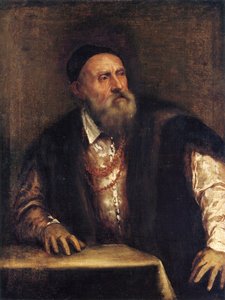
Titian’s “Ecce Homo,” painted in 1548, isn't merely a depiction of a biblical scene; it’s a profound meditation on humility, judgment, and the unsettling beauty of human suffering. This oil-on-canvas masterpiece, currently residing within the hallowed halls of the Museo del Prado in Madrid, offers a rare glimpse into the mind of one of the Renaissance’s most influential figures – Tiziano Vecellio, or simply Titian. The painting's stark monochrome palette immediately draws the viewer in, stripping away the distractions of color and focusing entirely on the figure of Christ before him. It’s a deliberate choice that amplifies the gravity of the moment, echoing the solemnity of early Christian iconography while simultaneously hinting at a more personal, almost melancholic contemplation.
The year 1548 marked a pivotal point in Titian’s career. He had recently traveled to Augsburg, Germany, where he was commissioned by Emperor Charles V to paint portraits of the imperial court. This journey coincided with Charles's hard-won victory at the Battle of Mühlberg, a triumph that solidified his power and demanded visual representation. “Ecce Homo,” likely created during this period, serves as a poignant counterpoint to the celebratory imagery often associated with imperial power. Rather than glorifying military might, Titian presents a scene of quiet introspection – a Christ accepting his fate with a profound sadness that resonates deeply within the viewer.
Titian’s mastery lies not just in his subject matter but also in his extraordinary technical skill. The painting's composition is remarkably balanced, with Christ occupying a central position that commands immediate attention. His downward gaze, a direct address to the viewer, creates an intimate connection, as if he’s sharing a private moment of reflection. Notice the subtle modeling of his face – the delicate lines around his eyes and mouth convey a wealth of emotion without resorting to dramatic gestures. The loose brushwork, characteristic of Titian's mature style, lends a sense of immediacy and movement to the scene, preventing it from feeling static or overly formal. The use of *chiaroscuro*, the masterful interplay of light and shadow, further enhances the depth and dimensionality, guiding our eyes towards the central figure and amplifying the emotional impact.
While rooted in the biblical story of Pilate presenting Jesus to the crowd proclaiming “Behold, the Man!”, “Ecce Homo” transcends a simple retelling. The absence of other figures – save for two indistinct individuals in the background – emphasizes Christ’s isolation and vulnerability. This deliberate framing invites contemplation on themes of sacrifice, judgment, and the human condition. Some art historians suggest that Titian may have subtly incorporated elements of Venetian folklore or symbolism into the painting, though these interpretations remain debated. Regardless, the image powerfully evokes a sense of universal sorrow – a recognition of mortality and the weight of responsibility inherent in leadership.
At Most-Famous-Paintings.com, we are dedicated to preserving the beauty and impact of masterpieces like “Ecce Homo.” Our meticulously crafted oil painting reproductions capture every nuance of Titian’s original technique, offering you an exquisite addition to your collection or a stunning focal point for your interior design. Experience the profound emotion and artistic genius of this iconic work firsthand – a timeless testament to the power of art to illuminate the human spirit.

1490 - 1576 , Itália


Fique por dentro das últimas notícias de arte, ofertas exclusivas e ideias de decoração.
Conte-nos sobre o seu projeto e os nossos especialistas em arte fornecerão 3 sugestões de arte personalizadas.
Deixe que selecionamos 3 opções especialmente para você – Grátis!


 Visualizar em escala
 Enviar
 Compartilhar
 Ver detalhes

 Baixar
 Semelhantes
 Raio X
 Apresentação de slides
 Ver mais


