


x

 Oil On CanvasWallArtBaroque
 1576Renaissance
 352.0 x 349.0 cm
 Gallerie dell’Accademia
Impressão giclée ou em tela de qualidade de museu, com produção rápida e opções flexíveis de acabamento. ( Encomendar reprodução pintada à mão Comprar imagem em alta resolução)





























Escolha entre os nossos tamanhos pré-definidos que respeitam as proporções originais da obra de arte.

Você pode inserir suas próprias dimensões para se ajustar a uma moldura ou espaço específico. Se o tamanho selecionado não corresponder às proporções da imagem original, iremos recortar a obra de arte ou estender a imagem com uma borda espelhada ou preenchimento sólido. Um mockup digital será enviado para sua aprovação antes do início da produção.
Por favor, observe que a visualização na tela não reflete o recorte ou a extensão real. Apenas o mockup mostrará com precisão a composição final.
Embora tamanhos personalizados estejam disponíveis, recomendamos selecionar uma dimensão da lista predefinida para preservar as proporções originais.
Entrega mundial () em 2 semanas, em vez das 4/5 semanas padrão. (22 Agosto)


Pietà
Dimensões da Reprodução
In the twilight of the Venetian Renaissance, Tiziano Vecellio, known eternally as Titian, reached a pinnacle of emotional expression that few artists in history have ever matched. His Pietà, completed around 1576, is not merely a depiction of a biblical event; it is a visceral, breathing meditation on grief, faith, and the fragility of life. As one of his final works, it carries the weight of a master reflecting on his own mortality. The canvas captures a moment of profound stillness where the boundaries between the earthly and the divine begin to blur. Through a masterful command of light and shadow, Titian invites the viewer into a sacred space of mourning, making the tragedy of Christ’s passing feel intimately present.
The composition eschews the dramatic, theatrical gestures often found in Mannerist works, opting instead for a hauntingly serene atmosphere. At the heart of the scene, Mary Magdalene kneels in quiet devotion, her posture embodying a tender, protective care as she cradles the head of the lifeless Christ. This central focus is surrounded by a cast of figures that ground the spiritual event in a tangible, human reality. A subtle presence of animals—a loyal dog and a distant bird—adds layers of symbolic texture, representing fidelity and the fleeting nature of life. The arrangement of figures creates a rhythmic flow that guides the eye through a landscape of shadows, leading the observer toward the pale, luminous flesh of Christ, which serves as the painting's emotional and visual anchor.
What truly distinguishes this masterpiece is Titian’s revolutionary approach to color, a technique that would define the Venetian school. He did not simply apply paint; he sculpted with it. By layering translucent glazes over opaque underlayers, Titian achieved an unparalleled luminosity, creating a skin-like glow on the figures that seems to radiate from within. The palette is a sophisticated interplay of pale blues, creamy whites, and deep, somber reds, all infused with subtle tonal variations. This use of color creates an ethereal atmosphere, where the light does not just illuminate the scene but seems to emerge from the very fabric of the sorrow being depicted.
In this late period, Titian’s brushwork became increasingly bold and almost impressionistic. The distinction between form and space begins to dissolve, a technique that lends the work an atmospheric depth known as sfumato taken to its emotional extreme. For the collector or the interior designer, this quality offers a profound sense of movement and texture. A high-quality reproduction of this piece brings more than just a historical artifact into a room; it introduces a dynamic energy. The way the light catches the simulated textures of the heavy fabrics and the soft, wounded flesh provides a focal point that is both intellectually stimulating and aesthetically soothing.
Beyond its technical brilliance, the Pietà serves as a deeply personal document. Painted during a time when the plague ravaged Venice, the work was an ex voto offering—a prayer for survival. The inclusion of a self-portrait within the bearded figure holding Christ’s hand adds a layer of heartbreaking intimacy, suggesting that Titian was projecting his own grief and his plea for his family onto the sacred scene. This intersection of personal tragedy and universal religious iconography is what gives the painting its enduring power.
For those seeking to adorn a space with art that inspires contemplation, this reproduction offers an unparalleled opportunity. It is a piece designed for environments that value depth, history, and emotional resonance. Whether placed in a grand gallery-style living room or a quiet study, Titian’s Pietà acts as a window into the human condition, reminding us of our capacity for profound love and enduring resilience. It is an investment in a legacy of beauty that transcends time, offering a timeless elegance that complements both classical and contemporary interiors.
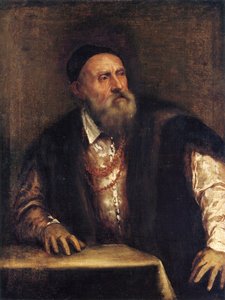
1490 - 1576 , Itália
Descubra os 25 tesouros do Kunsthistorisches Museum em Viena! Explore a história de Raphael, Rembrandt, Vermeer e outras obras-primas. Encontre reproduções de arte exclusivas para decorar sua casa com elegância. Explore a coleção completa na Most-Famous-Paintings.com.
Descubra as 10 obras-primas da Abstração Geométrica que revolucionaram a arte moderna! Explore Kandinsky, Mondrian e outros artistas icônicos. Encontre reproduções de alta qualidade para decorar sua casa com Most-Famous-Paintings.com.

Descubra as 10 obras-primas do Renascimento Nórdico! Explore a história, simbolismo e técnica de artistas como Jan van Eyck e Dürer. Encontre reproduções de arte exclusivas para decorar sua casa com elegância em Most-Famous-Paintings.com.
Descubra as 25 obras-primas da Alte Pinakothek, Munique! Explore a história de Leonardo da Vinci, Rembrandt e Rafael. Encontre reproduções de alta qualidade para transformar sua casa com arte clássica. Inspire-se em cores vibrantes e emoção atemporal. Explore a coleção completa na Most-Famous-Paintings.com!
Descubra as 10 obras-primas do Renascimento Italiano! Explore a história de Leonardo da Vinci, Michelangelo e Rafael. Encontre reproduções de arte exclusivas para decorar sua casa com beleza e elegância em Most-Famous-Paintings.com.


Fique por dentro das últimas notícias de arte, ofertas exclusivas e ideias de decoração.
Conte-nos sobre o seu projeto e os nossos especialistas em arte fornecerão 3 sugestões de arte personalizadas.
Deixe que selecionamos 3 opções especialmente para você – Grátis!


 Visualizar em escala
 Enviar
 Compartilhar
 Ver detalhes

 Baixar
 Semelhantes
 Raio X
 Apresentação de slides
 Ver mais







 A opção de vidro está disponível apenas para tamanhos inferiores a 110 cm


