x

 Oil On CanvasWallArtLate Renaissance
 1575
1575 184.0 x 177.0 cm
 Monastério de São Lourenço
Óleo sobre tela pintado à mão no seu tamanho e moldura, feito sob encomenda pelos nossos artistas. ( Ver impressão do pedido Baixar imagem em alta resolução)





























Escolha entre os nossos tamanhos pré-definidos que respeitam as proporções originais da obra de arte.

Pode inserir as suas próprias dimensões para se adequar a uma moldura ou espaço específico. Se o tamanho selecionado não corresponder às proporções da imagem original, iremos cortar a obra de arte ou estender a pintura com elementos adicionais pintados à mão. Um esboço digital será enviado para sua aprovação antes do início da produção.
Tenha em atenção que a pré-visualização no ecrã não reflete o corte ou extensão real. Apenas o esboço mostrará com precisão a composição final.
Embora tamanhos personalizados estejam disponíveis, recomendamos selecionar uma dimensão da lista predefinida para preservar as proporções originais.
Entrega mundial () em 3 a 4 semanas, em vez das 5 semanas padrão. (7 Agosto). Sem comprometer a qualidade.


St Jerome
Dimensões da Reprodução
Titian's “St. Jerome,” painted circa 1575, isn’t merely a portrait; it’s an immersion into the profound solitude and spiritual struggle at the heart of one of Christianity’s most revered figures. This oil on canvas, now residing in the Museo Thyssen-Bornemisza in Madrid, transcends simple representation to become a deeply resonant meditation on time, mortality, and the relentless pursuit of divine grace. The painting immediately commands attention with its masterful use of light and shadow – a technique characteristic of Titian’s mature style, where color takes precedence over sharp detail, creating an atmosphere both somber and intensely luminous.
The scene depicts St. Jerome in his iconic study, a rugged cave overlooking a vast, desolate landscape. He is not presented as a triumphant saint, but rather as a man weathered by age and burdened by the weight of his earthly labors – translating the Bible into Latin, a task that consumed decades of his life. His posture is one of quiet contemplation; he’s hunched over a book, a quill resting on a simple wooden desk, yet his gaze is directed upwards, lost in prayer or perhaps wrestling with the immense responsibility of his vocation. The stark contrast between the darkness enveloping him and the faint, ethereal light filtering through the cave entrance speaks volumes about the internal battle he faces – a struggle between earthly desires and the promise of eternal salvation.
Titian’s masterful manipulation of color is central to the painting's power. He eschews vibrant hues, opting instead for a carefully orchestrated palette dominated by muted browns, ochres, and greys – colors that evoke the textures of stone, wood, and worn leather. This monochromatic approach isn’t limiting; rather, it creates an astonishing depth and richness, drawing the viewer into the scene with subtle gradations of tone. Notice how he uses a delicate ash color to define the skull resting on the desk, its starkness amplified by the surrounding earth tones. The red of Jerome's tunic is not flamboyant but deeply saturated, acting as a focal point that anchors the composition and symbolizes his sacrifice and devotion.
The brushwork itself is remarkably loose and expressive, a hallmark of Titian’s later style. He employs rapid, gestural strokes to capture the textures of the landscape – the rough-hewn rock, the tangled branches of the trees, the folds of Jerome's cloak. This technique lends the painting a sense of immediacy and vitality, as if we are witnessing a moment frozen in time. The layering of paint is also evident, creating a tactile quality that invites close inspection.
Beyond the central figure, “St. Jerome” is rich with symbolic elements, each contributing to the painting’s layered meaning. The lion at Jerome's feet – a traditional emblem of St. Jerome – represents strength and vigilance, reminding us of his role as a protector of the scriptures. The hourglass signifies the fleeting nature of time and the urgency of spiritual preparation for death. The two skulls are potent reminders of mortality, urging contemplation on the brevity of earthly life. Even the scattered bottles—a detail often overlooked—suggest the temptations that Jerome resisted during his years of asceticism.
The landscape itself is not merely a backdrop but an active participant in the scene. It’s wild and unforgiving, mirroring the arduous path of spiritual transformation. The distant horizon suggests hope and eternity, while the cave represents the solitary space where Jerome sought communion with God. It's a carefully constructed microcosm reflecting both the inner turmoil and the ultimate aspiration of the saint.
“St. Jerome” is more than just a religious painting; it’s a profound exploration of human experience – the struggle between earthly desires and spiritual longing, the acceptance of mortality, and the enduring power of faith. Painted in the twilight years of Titian's career, this work embodies his mastery of color, composition, and symbolism, solidifying his place as one of history’s greatest artists. Reproductions capture only a fraction of the painting’s emotional depth and nuanced beauty, but they offer a tangible connection to this extraordinary masterpiece—a testament to the enduring power of art to illuminate the human condition.

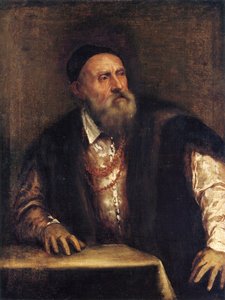
1490 - 1576 , Itália

Explore the profound history and technical brilliance of oil on panel painting. From Renaissance masters to modern techniques, discover why this rigid support offers unparalleled precision and permanence for fine art lovers and collectors.


Fique por dentro das últimas notícias de arte, ofertas exclusivas e ideias de decoração.
Conte-nos sobre o seu projeto e os nossos especialistas em arte fornecerão 3 sugestões de arte personalizadas.
Deixe que selecionamos 3 opções especialmente para você – Grátis!


 Visualizar em escala
 Enviar
 Compartilhar
 Ver detalhes

 Baixar
 Semelhantes
 Raio X
 Apresentação de slides
 Ver mais







 A opção de vidro está disponível apenas para tamanhos inferiores a 110 cm