x


 Oil On CanvasWallArtBaroque Renaissance
 1548
1548 253.0 x 217.0 cm
 Museu do Prado
Adquira uma imagem digital de alta resolução e aprimorada, muito superior à prévia online.
Cada arquivo é meticulosamente preparado por nossos especialistas internos, utilizando ferramentas avançadas e retoques manuais de alta precisão. Garantimos que cada imagem apresente clareza excepcional, fidelidade de cores e detalhes minuciosos.
O arquivo final é entregue por e-mail em até 72 horas, otimizado para uso imediato em ambientes profissionais, editoriais e de impressão. Esta é a mesma qualidade utilizada por estúdios de design de alto nível, editoras e galerias.
Baixe um arquivo de alta resolução para exibição pessoal, impressão e projetos criativos. ( Switch to Print Switch to hand made Painting)
Ao escolher o Most-Famous-Paintings.com, você não está apenas recebendo uma imagem — você está recebendo uma obra de arte digital profissionalmente aprimorada, elaborada com precisão e com garantia de satisfação. Aqui está tudo o que acompanha seu pedido, automaticamente:

O seu arquivo de imagem digital em alta resolução será enviado por e-mail em até 72 horas após o pedido — pronto para uso imediato.

Sua obra de arte é otimizada profissionalmente por meio de ferramentas avançadas de IA e edição manual, garantindo o máximo de detalhes, clareza e precisão de cores.

Apagou ou perdeu o seu ficheiro acidentalmente? Não se preocupe – nós reenviamos para si a qualquer momento, gratuitamente.

Desfrute da sua obra de arte instantaneamente, sem taxas alfandegárias, impostos ou custos de entrega — downloads digitais são sempre isentos de taxas.

Garantimos que sua imagem digital reflita as cores originais com a maior fidelidade possível, utilizando ferramentas profissionais e gerenciamento de cores.

Se você não estiver satisfeito com sua imagem digital, nós a revisaremos ou reembolsaremos 100% dentro de 60 dias — sem perguntas.

Não está satisfeito? Receba o reembolso total em até 60 dias após o recebimento do seu arquivo digital — sem perguntas.

Compre 3 imagens, economize 10% - Compre 5, economize 15% - Compre 10+, economize 20%. Ideal para projetos criativos, galerias e agências.
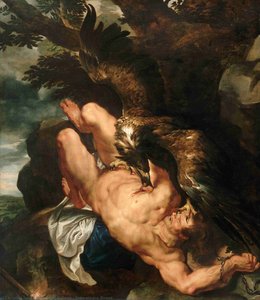
Tiziano Vecellio's "Tityus," painted in 1548, isn’t merely a depiction of a Greek myth; it’s a profound meditation on suffering, divine justice, and the inescapable consequences of arrogance. Housed within the Museo del Prado, this monumental oil painting offers a visceral experience, transporting the viewer to the desolate underworld where the titan is eternally tormented. The sheer scale – measuring 253 x 217 cm – immediately commands attention, drawing us into a world steeped in shadow and punctuated by the unsettling presence of vultures. Titian’s genius lies not just in his technical prowess but in his ability to imbue a classical narrative with an intensely human drama.
The story behind “Tityus” is grim, yet powerfully resonant. According to Greek mythology, Tityus was the son of Gaia (Earth) and Tartarus (the abyss). He attempted to seduce Leto, Hera’s mistress, resulting in his immediate punishment: eternal torment chained to a rock, subjected to the relentless feeding of vultures whose appetites could never be satiated. Titian masterfully captures this horrific fate. The figure of Tityus himself is rendered with agonizing realism – his body contorted in a posture of defeated despair, his head bowed as if accepting his unending punishment. He’s not presented as a monstrous brute, but rather as a profoundly vulnerable human being, stripped bare by both physical and spiritual torment.
Titian was a revolutionary in the use of color, and “Tityus” exemplifies this. While firmly rooted in Renaissance principles, the painting anticipates elements of the emerging Baroque style. The palette is dominated by rich, warm tones – deep reds, ochres, and browns – creating an atmosphere of oppressive heat and decay. The artist skillfully employs chiaroscuro, a dramatic contrast between light and shadow, to heighten the emotional impact. Notice how the light catches on Tityus’s skin, highlighting his suffering while plunging the surrounding landscape into darkness. This interplay of light and shadow isn't simply aesthetic; it serves to emphasize the psychological weight of the scene, mirroring the internal struggle of a man facing eternal torment.
Beyond its immediate depiction of punishment, “Tityus” is laden with symbolic meaning. The vultures represent not just physical consumption but also the relentless passage of time and the inescapable nature of fate. The painting serves as a potent reminder of the dangers of hubris – excessive pride or self-confidence – and the inevitable consequences that follow. Commissioned by Mary of Hungary, this work likely held a didactic purpose, intended to warn against vanity and remind viewers of the importance of humility before God. Even today, “Tityus” continues to resonate with audiences, prompting reflection on themes of morality, justice, and the human condition – timeless subjects rendered with breathtaking artistry and emotional intensity.
A hand-painted reproduction by Most-Famous-Paintings.com offers a remarkable opportunity to bring this extraordinary masterpiece into your home or office. Experience the drama, the color, and the profound symbolism of “Tityus” in exquisite detail, capturing the spirit of Renaissance art for generations to come.

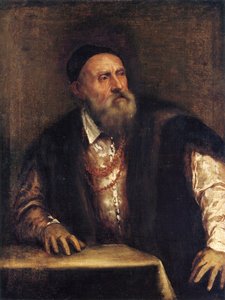
1490 - 1576 , Itália


Fique por dentro das últimas notícias de arte, ofertas exclusivas e ideias de decoração.
Conte-nos sobre o seu projeto e os nossos especialistas em arte fornecerão 3 sugestões de arte personalizadas.
Deixe-nos selecionar 3 opções especialmente para você – Grátis!


 Preview
 Enviar
 Compartilhar
 Detalhes da obra

 Baixar
 Semelhantes
 Raio X
 Slideshow
 Ver mais