x

 Acrílico sobre telaArte de ParedeHigh Renaissance
 1505
1505 92.0 x 126.0 cm
 Musée du Petit Palais
Impressão giclée ou em tela de qualidade de museu, com produção rápida e opções flexíveis de acabamento. ( Encomendar reprodução pintada à mão Comprar imagem em alta resolução)





























Escolha entre os nossos tamanhos pré-definidos que respeitam as proporções originais da obra de arte.

Você pode inserir suas próprias dimensões para se ajustar a uma moldura ou espaço específico. Se o tamanho selecionado não corresponder às proporções da imagem original, iremos recortar a obra de arte ou estender a imagem com uma borda espelhada ou preenchimento sólido. Um mockup digital será enviado para sua aprovação antes do início da produção.
Por favor, observe que a visualização na tela não reflete o recorte ou a extensão real. Apenas o mockup mostrará com precisão a composição final.
Embora tamanhos personalizados estejam disponíveis, recomendamos selecionar uma dimensão da lista predefinida para preservar as proporções originais.
Entrega mundial () em 2 semanas, em vez das 4/5 semanas padrão. (18 Agosto)


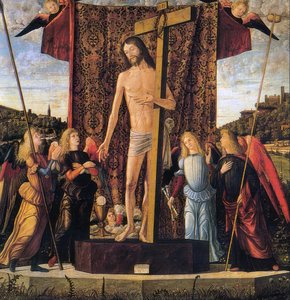
Holy Conversation
Dimensões da Reprodução
Vittore Carpaccio’s “Holy Conversation,” completed around 1505 in Venice, stands as a testament to the enduring power of narrative painting within the High Renaissance. More than just a depiction of biblical figures—Jesus Christ and Mary Magdalene—it's an immersive experience into a pivotal moment of spiritual contemplation, skillfully rendered with meticulous detail and infused with Venetian artistic sensibilities.
Style & Influences: Carpaccio’s approach diverges markedly from the humanist fervor sweeping across Italy at the time. Unlike many contemporaries preoccupied with philosophical treatises and idealized portraits, Carpaccio remained firmly rooted in tradition, drawing inspiration primarily from Antonello da Messina's pioneering use of oil paint—a technique that allowed for unprecedented luminosity and realism—and early Netherlandish art’s emphasis on atmospheric perspective.
Technique & Materials: The painting utilizes tempera on canvas, a medium favored by Venetian artists for its durability and ability to achieve vibrant colors. Carpaccio's painstaking brushwork captures the textures of drapery, skin, and stone with remarkable accuracy. Observe how he masterfully employs chiaroscuro—the dramatic interplay of light and shadow—to sculpt form and convey emotion, mirroring the stylistic innovations originating from Flanders.
Historical Context: “Holy Conversation” emerged during a period marked by religious fervor and artistic experimentation. Venice, at the apex of its maritime empire and cultural prestige, fostered an environment where artists like Carpaccio could explore both established conventions and emerging trends. The painting reflects the Venetian preoccupation with portraying biblical narratives in a psychologically nuanced manner—a departure from simpler iconographic representations.
Symbolism & Emotional Impact: Beyond its literal depiction of Jesus and Mary Magdalene engaged in dialogue, “Holy Conversation” resonates with deeper symbolic meanings. The setting—a tranquil outdoor gathering—suggests serenity and contemplation, inviting viewers to reflect on faith and spirituality. Carpaccio’s masterful use of color contributes to the painting's emotional impact, conveying a sense of solemn reverence and capturing the ethereal beauty of the Venetian landscape.
Notable Reproduction: The masterpiece resides in the Gallerie dell’Accademia in Venice, where visitors can marvel at its original grandeur. Reproductions offer an opportunity to appreciate Carpaccio’s artistic vision from afar, preserving the essence of this iconic work for generations to come.


1465 - 1526 , Itália

Explore the luminous mastery of the Venetian Renaissance. Discover how masters like Titian and Giorgione revolutionized art through colorito, light, and atmosphere. An expert guide to the golden age of Italian painting for collectors and enthusiasts.


Fique por dentro das últimas notícias de arte, ofertas exclusivas e ideias de decoração.
Conte-nos sobre o seu projeto e os nossos especialistas em arte fornecerão 3 sugestões de arte personalizadas.
Deixe que selecionamos 3 opções especialmente para você – Grátis!


 Visualizar em escala
 Enviar
 Compartilhar
 Ver detalhes

 Baixar
 Semelhantes
 Raio X
 Apresentação de slides
 Ver mais







 A opção de vidro está disponível apenas para tamanhos inferiores a 110 cm