x

 Rococo
 74.0 x 62.0 cm
Impressão giclée ou em tela de qualidade de museu, com produção rápida e opções flexíveis de acabamento. ( Encomendar reprodução pintada à mão Comprar imagem em alta resolução)
Escolha entre os nossos tamanhos pré-definidos que respeitam as proporções originais da obra de arte.

Você pode inserir suas próprias dimensões para se ajustar a uma moldura ou espaço específico. Se o tamanho selecionado não corresponder às proporções da imagem original, iremos recortar a obra de arte ou estender a imagem com uma borda espelhada ou preenchimento sólido. Um mockup digital será enviado para sua aprovação antes do início da produção.
Por favor, observe que a visualização na tela não reflete o recorte ou a extensão real. Apenas o mockup mostrará com precisão a composição final.
Embora tamanhos personalizados estejam disponíveis, recomendamos selecionar uma dimensão da lista predefinida para preservar as proporções originais.
Entrega mundial () em 2 semanas, em vez das 4/5 semanas padrão. (15 Agosto)


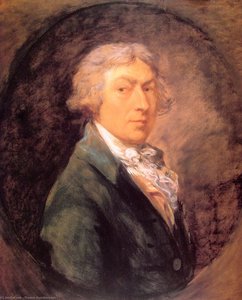
Self Portrait
Dimensões da Reprodução

In the vibrant intellectual landscape of eighteenth-century Scotland, few figures embodied the harmonious union of visual artistry and literary depth as gracefully as William Aikman. Born in 1682 into a family that envisioned a future for him within the rigorous halls of jurisprudence, Aikman ultimately chose a path far more evocative and ethereal. Rather than pursuing the dry complexities of law, he surrendered himself to the brush, becoming a portraitist whose work would capture the very essence of the Scottish Enlightenment. His life was not merely a pursuit of technical mastery, but a profound engagement with the humanist ideals that were beginning to reshape the European consciousness.
The foundation of Aikman’s artistic identity was laid during his formative years at Edinburgh University. It was here that he forged an enduring and transformative bond with Allan Ramsay, the celebrated poet of the Doriment tradition. This friendship was far more than a social connection; it was a shared intellectual journey. Through Ramsay, Aikman became deeply immersed in a poetic ethos characterized by sincerity, emotional resonance, and a delicate appreciation for nature. This literary sensitivity would later manifest in his paintings, lending a certain psychological depth and quiet dignity to his subjects that transcended the mere recording of physical likeness.
To refine his burgeoning talent, Aikman sought the rigorous training available in London, where he encountered the burgeoning influences of Italian neoclassicism. However, his true artistic metamorphosis occurred during his extensive travels through Italy. Immersed in the cradle of the Renaissance, Aikman meticulously studied the masters, finding profound inspiration in the balanced compositions and idealized forms of Raphael and Michelangelo. This period of pilgrimage allowed him to absorb the principles of antiquity, integrating a sense of structural permanence and classical grace into his portraiture.
Upon his return to Scotland, Aikman’s style emerged as a sophisticated blend of Northern sensitivity and Southern grandeur. His work was characterized by a serene elegance, avoiding the overly dramatic flourishes of the Baroque in favor of a more composed and thoughtful presentation. He possessed a remarkable ability to render textures—the subtle sheen of silk, the weight of velvet, and the softness of skin—with a precision that felt both lifelike and elevated by an artistic ideal. His portraits were not merely-looking glass reflections but were imbued with a sense of character and intellectual presence.
Beyond his individual technical achievements, Aikman played a pivotal role in the cultural ecosystem of his era. He was a crucial bridge between the worlds of fine art and literature, acting as an early champion for figures such as James Thomson. By leveraging his social connections to secure patronage from influential figures like Robert Walpole, Aikman helped foster an environment where Scottish intellectuals could thrive on a broader European stage. His ability to navigate the corridors of power while maintaining his artistic integrity made him a central figure in the burgeoning cultural renaissance of Edinburgh.
The legacy of William Aikman resides in the quiet strength of his portraits, which continue to serve as windows into the spirit of an age defined by reason and refinement. His contributions can be summarized through several key pillars of his career:
Though his life was relatively brief, ending in 1731, the impact of William Aikman remains etched in the history of British art. He stands as a testament to the power of following one's true vocation, proving that when the brush is guided by the intellect and the heart, it can capture not just a face, but the very soul of an era.

1682 - 1731

Descubra os 10 maiores mestres do Neoclassicismo! Explore a história, técnica e beleza de obras icônicas de David, Ingres e Canova. Encontre reproduções de arte neoclássica para decorar sua casa com elegância em Most-Famous-Paintings.com.

Descubra as 10 obras-primas do Rococó! Explore a elegância de Fragonard, Boucher e Watteau. A arte do século XVIII ganha vida com cores pastel e detalhes luxuosos. Encontre reproduções de alta qualidade em Most-Famous-Paintings.com.

Descubra 10 obras-primas do Século XVIII! Explore a arte de David, Fragonard e Reynolds. Neoclassicismo, Rococó e retratos icônicos ganham vida. Encontre reproduções de alta qualidade para decorar sua casa com Most-Famous-Paintings.com

Explore the opulent world of Rococo art! Discover its origins, key artists like Watteau & Boucher, and lasting influence on design. Expert insights for collectors & enthusiasts.

Embark on an elegant journey through the Rococo era. Discover the delicate beauty of pastel masterpieces, the intricate artistry of 18th-century French masters, and how this era of ornate splendor continues to inspire timeless luxury in fine art collecting.


Fique por dentro das últimas notícias de arte, ofertas exclusivas e ideias de decoração.
Conte-nos sobre o seu projeto e os nossos especialistas em arte fornecerão 3 sugestões de arte personalizadas.
Deixe que selecionamos 3 opções especialmente para você – Grátis!


 Visualizar em escala
 Enviar
 Compartilhar
 Ver detalhes

 Baixar
 Semelhantes
 Raio X
 Apresentação de slides
 Ver mais




































 A opção de vidro está disponível apenas para tamanhos inferiores a 110 cm