
Venda sua arte
Lista de desejos Carrinho de compras Cart
Visualizar em escalaVisualizar em escala Visualizar em RAVisualizar em RA Encomendar reprodução pintada à mão Encomendar reprodução pintada à mãoComprar imagem em alta resolução Comprar imagem em alta resolução EnviarEnviar
Ver detalhesVer detalhes Adicionar aos favoritos Adicionar aos favoritos BaixarBaixar SemelhantesSemelhantes Raio XRaio X Apresentação de slidesApresentação de slides

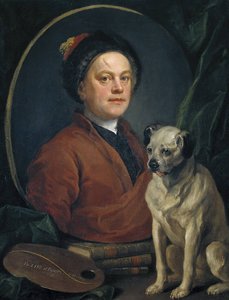
Self-Portrait with Pug-Dog

A contemplative Rococo self-portrait by William Hogarth featuring his beloved pug Trump amidst symbols of Enlightenment intellect, offering a rare glimpse into 18th-century London for collectors to explore and admire.

Explore o mundo satírico de William Hogarth (1697-1764), pintor e gravur inglês pioneiro. Descubra *A Harlot's Progress* e comentários sociais perspicazes.

Giclée / Impressão de Arte

Impressão giclée ou em tela de qualidade de museu, com produção rápida e opções flexíveis de acabamento. (Encomendar reprodução pintada à mão Encomendar reprodução pintada à mãoComprar imagem em alta resolução Comprar imagem em alta resolução)

P118B $10
P118H $10
P118W $10
P438Z $10
P508JH $12
P508YH $12
P805H $10
P805Z $10
P919BZ $10
P919G $10
P919XJ $10
P959ZH $10
P968JZ $12
W106C $8
W218G $10
W218JH $8
W218Y $10
W307PJ $10
W316G $10
W316PJ $8
W316Y $10
W398PJ $8
W4111J $10
W500HY $15
W500JH $15
W692G $12
W849H $8
W940BG $15
W953PJ $8

Standard
custom
CM
INCH

Escolha entre os nossos tamanhos pré-definidos que respeitam as proporções originais da obra de arte.

largura
altura

Você pode inserir suas próprias dimensões para se ajustar a uma moldura ou espaço específico. Se o tamanho selecionado não corresponder às proporções da imagem original, iremos recortar a obra de arte ou estender a imagem com uma borda espelhada ou preenchimento sólido. Um mockup digital será enviado para sua aprovação antes do início da produção.
Por favor, observe que a visualização na tela não reflete o recorte ou a extensão real. Apenas o mockup mostrará com precisão a composição final.
Embora tamanhos personalizados estejam disponíveis, recomendamos selecionar uma dimensão da lista predefinida para preservar as proporções originais.

Entrega mundial () em 2 semanas, em vez das 4/5 semanas padrão. (21 Agosto)

why_choose_icon
Envio Expresso Gratuito para todo o Mundo
why_choose_icon
Tela de Linho Premium
why_choose_icon
Seguro de transporte total
why_choose_icon
Garantia de Reembolso de Impostos Alfandegários
why_choose_icon
Garantia de Fidelidade de Cor
why_choose_icon
Política de Devolução de 60 Dias (Apenas para Defeitos)
why_choose_icon
Garantia de reembolso de 100%
why_choose_icon
Desconto para múltiplas unidades

Preço Total

$ 68

reproduction

Self-Portrait with Pug-Dog

Giclée / Impressão de Arte

Dimensões da Reprodução

-

Preço Total

$ 68

Detalhes Rápidos

  • Artist: William Hogarth
  • Subject or theme: Portraiture
  • Year: 1745
  • Influences: Classical Art
  • Artistic style: Satirical
  • Movement: Rococo
  • Location: Private Collection

Descrição do Item

A Glimpse into the Soul of Georgian England

In the quiet, contemplative depths of William Hogarth’s 1745 masterpiece, Self-Portrait with Pug-Dog, we find much more than a mere likeness of the artist. This evocative canvas serves as a profound window into the intellectual and social landscape of Enlightenment London, an era defined by a delicate tension between burgeoning optimism and a simmering anxiety regarding morality and societal reform. As you gaze upon the figure of Hogarth, you are not simply looking at a man, but at a visual historian capturing the very essence of his age. The painting transcends the boundaries of traditional portraiture, offering an intimate encounter with a creator who was as much a satirist and social commentator as he was a master of the brush.

The composition invites the viewer into a space of quiet reflection, where the atmosphere is thick with the weight of thought and the warmth of companionship. There is an undeniable emotional resonance in the way Hogarth presents himself—not through the grand, sweeping gestures of aristocratic portraiture, but through a grounded, naturalistic presence that feels remarkably modern even centuries later. For the collector or the designer, this piece offers a sense of timelessness, bringing a sophisticated, scholarly air to any curated space.

The Elegance of Rococo Naturalism

Stylistically, the work is a brilliant embodiment of the Rococo period, yet it avoids the excessive frivolity often associated with the movement. Instead, Hogarth employs a masterful balance between delicate ornamentation and underlying seriousness. The palette is a masterclass in restraint, dominated by soothing tones of brown, cream, and ochre that create an atmosphere of contemplative calm. This muted color scheme allows the subtle highlights to perform their magic, drawing the eye toward the textures of fabric, the sheen of skin, and the weathered edges of books.

Technically, the painting showcases Hogarth’s ability to use smooth gradations and a restrained brushstroke to achieve a lifelike illusion. Rather than relying on dramatic, jarring contrasts, he utilizes soft transitions that lend the scene a refined elegance. This technique creates a sense of depth and three-dimensionality that makes the subject feel present in the room with you. For those seeking to incorporate fine art into an interior, the painting’s harmonious tones provide a versatile foundation that complements both classical and contemporary decor, adding a layer of historical texture and quiet luxury.

A Tapestry of Symbolism and Intellect

Every element within the frame has been carefully orchestrated to communicate Hogarth's identity and aspirations. The prominent inclusion of stacked books serves as a silent testament to his erudition, signaling his deep engagement with the intellectual debates of the Enlightenment. These volumes are not mere props; they represent the pursuit of virtue through reason and observation—ideals that were central to the Georgian era. Through these symbols, Hogarth establishes himself as a man of intellect and character.

Adding a touch of warmth and personality to this scholarly setting is the presence of his beloved pug, Trump. The dog’s distinctive features and loyal posture provide a charming contrast to the serious intellectual pursuits depicted in the background. This companionship softens the artist's persona, adding a layer of human vulnerability and affection that makes the portrait deeply relatable. To own a reproduction of this work is to possess a piece of history that celebrates the duality of the human experience: the pursuit of high intellect alongside the simple, profound joys of life.

Biografia do Artista

A London Life in Ink and Paint: The World of William Hogarth

William Hogarth, born into the bustling heart of 18th-century London in 1697, was more than just an artist; he was a visual historian, a keen observer of human nature, and a satirical commentator on the societal currents of his age. His life story is inextricably linked to the very fabric of England during a period of significant transformation – its burgeoning ambitions, underlying anxieties, and pervasive hypocrisies all finding potent expression in his remarkably detailed and often biting works. The son of a struggling Latin schoolmaster, Hogarth’s early experiences instilled within him both a love for learning and a sharp awareness of social inequalities, a foundation that would prove crucial to shaping his artistic vision. Initially apprenticed to an engraver, he quickly demonstrated a talent extending beyond mere technical skill; he possessed an innate ability to observe the nuances of human behavior and translate them into compelling visual narratives. However, he chafed against the constraints of traditional engraving, seeking a more expressive outlet for his burgeoning creativity. This led him to studies at both St Martin’s Lane Academy and under Sir James Thornhill, where he honed his skills in painting and composition, absorbing influences that would later inform his unique style.

The Birth of Modern Moral Subjects

Hogarth's true innovation lay not simply *what* he painted, but *how*. He pioneered what he termed “modern moral subjects” – a series of pictures designed to tell a story, often imbued with a strong satirical edge. These weren’t isolated portraits or landscapes; they were visual novels unfolding before the viewer’s eyes, offering pointed commentary on contemporary society. A Harlot's Progress, created in 1742, stands as perhaps his most famous example. This series of six paintings meticulously follows the tragic downfall of Mary, a young woman arriving in London full of hope but quickly succumbing to the temptations and dangers of city life. Each scene is rendered with painstaking detail, filled with symbolic elements that reveal the moral decay surrounding her. The progression from hopeful innocence to desperate poverty and ultimately, despair, is depicted with unflinching honesty, forcing viewers to confront uncomfortable truths about social mobility and the consequences of unchecked desire. Similarly, A Rake's Progress, begun in 1733, charts the reckless decline of Tom Rakewell, a man who squanders his inheritance on gambling, debauchery, and ultimately, madness. These weren’t merely cautionary tales; they were unflinching portraits of a society grappling with issues of class, morality, and social mobility. Hogarth's genius resided in his ability to elevate everyday scenes – the bustling streets of London, the opulent interiors of the wealthy, the squalid lives of the poor – into works of art that resonated deeply with his audience. He didn’t shy away from depicting the harsh realities of life, presenting them with a blend of humor and pathos that forced viewers to confront uncomfortable truths about themselves and their society.

Technique and Influences: A Synthesis of Styles

Hogarth's artistic style was a unique amalgamation of diverse influences. He greatly admired the realism and narrative detail found in the works of Dutch genre painters like Pieter de Hooch, evident in his meticulous depictions of interiors and everyday life. The satirical prints produced in France also played a role in shaping his approach to social commentary. However, Hogarth wasn’t simply imitating these sources; he was synthesizing them into something entirely new and distinctly his own. His technique was characterized by a masterful use of line and shading, particularly evident in his engravings. He employed a distinctive cross-hatching technique that created depth and texture, bringing his scenes to life with remarkable clarity. He also possessed an exceptional eye for composition, arranging figures and objects within the frame to create dynamic and engaging narratives. Beyond visual art, Hogarth was influenced by literary works, particularly those of Jonathan Swift and Henry Fielding, whose satirical wit informed his own social observations. He believed that art should not merely be beautiful but should also serve a moral purpose, challenging viewers to confront uncomfortable truths about themselves and their society. He sought to hold a mirror up to nature, reflecting both its beauty and its ugliness with unflinching honesty.

The Foundling Hospital and the Rise of Public Art

Hogarth’s commitment to social reform extended beyond his paintings. He became a staunch supporter of the Foundling Hospital, established by Thomas Coram to care for abandoned children. Recognizing the importance of public engagement with art, he spearheaded efforts to display his works – and those of other artists – at the hospital, creating what is considered one of Britain’s first public art galleries. This initiative not only provided a platform for artistic expression but also fostered a sense of civic pride and social responsibility. His involvement in this project demonstrated his belief that art could be a powerful tool for promoting positive change within society. He was deeply moved by the plight of orphaned children, and his support for the hospital reflected his desire to alleviate suffering and improve the lives of those most vulnerable.

Legacy and Lasting Impact

The impact of William Hogarth extends far beyond the realm of 18th-century art. His work gained immense popularity thanks to the mass production of prints based on his paintings, making his satirical commentary accessible to a wider audience than ever before. He is widely considered a precursor to political cartooning and comic strips, laying the groundwork for visual storytelling in popular culture. Artists like James Gillray and George Cruikshank were directly influenced by his style, carrying forward his tradition of social satire. Even Charles Lamb, the celebrated essayist, recognized the narrative power of Hogarth’s images, famously remarking that they were “like books to be read rather than merely looked at.”
  • Hogarth established a distinctly British artistic identity.
  • His work provides invaluable insights into 18th-century English society.
  • He influenced generations of artists and satirists.
William Hogarth died in 1764, leaving behind a legacy that continues to resonate today. He remains a pivotal figure in the history of British art, celebrated for his innovative approach to storytelling, his unflinching social commentary, and his enduring ability to capture the complexities of human life. His paintings and engravings are not merely historical artifacts; they are vibrant windows into a bygone era, offering timeless insights into the follies and foibles of humanity. He demonstrated that art could be both entertaining and enlightening, challenging viewers to think critically about the world around them and their place within it.
William Hogarth

William Hogarth

1697 - 1764 , Reino Unido

Informações Rápidas

  • Artistic Movement Or Style: Satírico, Realista
  • Artists Or Movements Influenced By This Artist:
    • Gillray
    • Cartoonismo político
  • Artists Who Influenced This Artist:
    • Pieter de Hooch
    • Jonathan Swift
  • Date Of Birth: 1697
  • Date Of Death: 1764
  • Full Name: William Hogarth
  • Nationality: Britânico
  • Notable Artworks:
    • A Harlot's Progress
    • A Rake's Progress
    • Marriage A-la-Mode
  • Place Of Birth: Londres, Reino Unido
Explore obras de arte organizadas por temas, estilos e características.




































