Venda sua arte
Lista de desejos Carrinho de compras Cart
Visualizar em escalaVisualizar em escala Visualizar em RAVisualizar em RA Encomendar impressão Encomendar impressãoEncomendar reprodução pintada à mão Encomendar reprodução pintada à mão EnviarEnviar
Ver detalhesVer detalhes Adicionar aos favoritos Adicionar aos favoritos BaixarBaixar SemelhantesSemelhantes Raio XRaio X Apresentação de slidesApresentação de slides

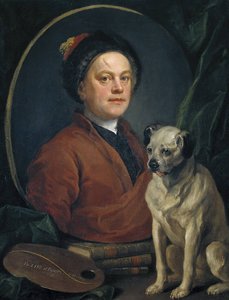
The Staymaker

This captivating Hogarth masterpiece captures a lively social scene in London during the Georgian era, showcasing meticulous detail and satirical commentary on societal norms. Explore this iconic artwork and bring its timeless elegance into your home.

Explore o mundo satírico de William Hogarth (1697-1764), pintor e gravur inglês pioneiro. Descubra *A Harlot's Progress* e comentários sociais perspicazes.

Adquira uma imagem digital de alta resolução e aprimorada, muito superior à prévia online.

Cada arquivo é meticulosamente preparado por nossos especialistas internos, utilizando ferramentas avançadas e retoques manuais de alta precisão. Garantimos que cada imagem apresente clareza excepcional, fidelidade de cores e detalhes minuciosos.

O arquivo final é entregue por e-mail em até 72 horas, otimizado para uso imediato em ambientes profissionais, editoriais e de impressão. Esta é a mesma qualidade utilizada por estúdios de design de alto nível, editoras e galerias.

Imagem Digital

Baixe um arquivo de alta resolução para exibição pessoal, impressão e projetos criativos. (Encomendar impressão Encomendar impressãoEncomendar reprodução pintada à mão Encomendar reprodução pintada à mão)

Preço Total

$ 24,90

Incluído em cada pedido de imagem digital

Entrega Digital Especializada e Garantida

Ao escolher o Most-Famous-Paintings.com, você não está apenas adquirindo uma imagem — você está recebendo uma obra de arte digital profissionalmente aprimorada, elaborada com precisão e com garantia de satisfação. Aqui está tudo o que acompanha seu pedido, automaticamente:

shipping_icon
Entrega rápida por e-mail

O seu arquivo de imagem digital em alta resolução será enviado por e-mail em até 72 horas após o pedido — pronto para uso imediato.

canvas_icon
Arquivo Digital com IA Otimizado

Sua obra de arte é otimizada profissionalmente por meio de ferramentas avançadas de IA e edição manual, garantindo o máximo de detalhes, clareza e precisão de cores.

insurance_icon
Reenvio gratuito vitalício

Apagou ou perdeu o seu ficheiro acidentalmente? Não se preocupe – nós reenviamos para si a qualquer momento, gratuitamente.

tax_icon
Sem Taxas de Importação - Sempre

Desfrute da sua obra de arte instantaneamente, sem taxas alfandegárias, impostos ou custos de entrega — downloads digitais são sempre isentos de taxas.

color_icon
Garantia de Precisão de Cores

Garantimos que sua imagem digital reflita as cores originais com a maior fidelidade possível, utilizando ferramentas profissionais e gerenciamento de cores.

return_icon
Garantia de Satisfação de 60 Dias

Se você não estiver satisfeito com sua imagem digital, nós a revisaremos ou reembolsaremos 100% dentro de 60 dias — sem perguntas.

guarantee_icon
Garantia de Reembolso 100%

Não está satisfeito? Receba o reembolso total em até 60 dias após o recebimento do seu arquivo digital — sem perguntas.

discount_icon
Descontos para pedidos em lote

Compre 3 imagens, economize 10% - Compre 5, economize 15% - Compre 10+, economize 20%. Ideal para projetos criativos, galerias e agências.

Detalhes Rápidos

  • Artistic style: Satirical realism
  • Subject or theme: Social commentary
  • Artist: William Hogarth
  • Movement: Neoclassicism
  • Dimensions: 70 x 91 cm
  • Year: 1744
  • Location: Private Collection

Descrição do Colecionável

A Window into Georgian Society: Exploring William Hogarth’s “The Staymaker”

William Hogarth's "The Staymaker," completed in 1744, isn’t merely a depiction of a domestic scene; it’s a meticulously crafted snapshot of Georgian England – a society grappling with shifting social hierarchies and confronting uncomfortable truths about morality and pleasure. This monumental canvas (70 x 91 cm) transcends the simple act of portraying individuals within a room; instead, Hogarth employs his artistic prowess to deliver a powerful commentary on the era’s values and anxieties.
  • Subject Matter: The painting captures a lively gathering in what appears to be an affluent gentleman's home. We observe a group of men and women engaged in conversation, punctuated by gestures of flirtation and amusement. Notably prominent is a young woman attempting to seduce a married man, highlighting the pervasive societal pressures surrounding marital fidelity.
  • Style: Hogarth’s style is firmly rooted in Rococo influences but swiftly pivots towards Neoclassical realism. While acknowledging the decorative elegance characteristic of the Rococo period—evident in the carefully arranged furniture and subtle use of color—Hogarth prioritizes accuracy and detail, grounding his depiction in observable reality.
  • Technique: Hogarth’s masterful technique is characterized by a combination of etching and mezzotint printing. This dual process allowed him to achieve astonishing tonal gradations – capturing the nuances of light and shadow with unparalleled precision. The etching lines provide crisp outlines, while the mezzotint creates velvety textures that imbue the scene with palpable warmth and depth.

Historical Context: Scandalous Revelations in Enlightenment England

“The Staymaker” emerged during the Enlightenment – a period marked by intellectual ferment and a burgeoning interest in reason and observation. However, Hogarth wasn’t simply documenting the era's advancements; he actively challenged its conventions. The painting directly confronts issues of social hypocrisy—specifically, the disparity between professed moral ideals and actual behavior. It reflects anxieties surrounding marriage, sexuality, and the pursuit of pleasure – concerns that resonated deeply within the educated elite of London at the time. Hogarth’s work served as a crucial corrective to the idealized portrayals prevalent in aristocratic art circles.

Symbolism: Decoding Layers of Meaning

Beyond its immediate narrative, “The Staymaker” is laden with symbolic significance. The fireplace represents domestic warmth and comfort, yet it simultaneously serves as a barrier between those present—emphasizing social divisions. The clock symbolizes the relentless march of time and underscores the urgency of moral judgment. Most powerfully, however, is the central figure – the young woman attempting to seduce her husband. She embodies the temptation of desire and represents the vulnerability of individuals caught in societal expectations. Hogarth’s deliberate use of visual cues invites viewers to contemplate broader questions about virtue, vice, and the complexities of human relationships.

Emotional Impact: A Portrait of Moral Ambiguity

Ultimately, “The Staymaker” succeeds in eliciting a profound emotional response from the viewer. It doesn’t offer easy answers or comforting resolutions; rather, it confronts us with uncomfortable truths about human nature and societal hypocrisy. The painting's unsettling realism compels contemplation on themes of desire, responsibility, and the consequences of transgressions against moral codes. Its enduring appeal lies in its ability to capture the essence of a pivotal moment in British history—a time when reason wrestled with tradition, and art served as both reflection and critique. It remains a testament to Hogarth’s genius as an artist and historian, offering a timeless glimpse into the soul of Georgian England.

Biografia do Artista

A London Life in Ink and Paint: The World of William Hogarth

William Hogarth, born into the bustling heart of 18th-century London in 1697, was more than just an artist; he was a visual historian, a keen observer of human nature, and a satirical commentator on the societal currents of his age. His life story is inextricably linked to the very fabric of England during a period of significant transformation – its burgeoning ambitions, underlying anxieties, and pervasive hypocrisies all finding potent expression in his remarkably detailed and often biting works. The son of a struggling Latin schoolmaster, Hogarth’s early experiences instilled within him both a love for learning and a sharp awareness of social inequalities, a foundation that would prove crucial to shaping his artistic vision. Initially apprenticed to an engraver, he quickly demonstrated a talent extending beyond mere technical skill; he possessed an innate ability to observe the nuances of human behavior and translate them into compelling visual narratives. However, he chafed against the constraints of traditional engraving, seeking a more expressive outlet for his burgeoning creativity. This led him to studies at both St Martin’s Lane Academy and under Sir James Thornhill, where he honed his skills in painting and composition, absorbing influences that would later inform his unique style.

The Birth of Modern Moral Subjects

Hogarth's true innovation lay not simply *what* he painted, but *how*. He pioneered what he termed “modern moral subjects” – a series of pictures designed to tell a story, often imbued with a strong satirical edge. These weren’t isolated portraits or landscapes; they were visual novels unfolding before the viewer’s eyes, offering pointed commentary on contemporary society. A Harlot's Progress, created in 1742, stands as perhaps his most famous example. This series of six paintings meticulously follows the tragic downfall of Mary, a young woman arriving in London full of hope but quickly succumbing to the temptations and dangers of city life. Each scene is rendered with painstaking detail, filled with symbolic elements that reveal the moral decay surrounding her. The progression from hopeful innocence to desperate poverty and ultimately, despair, is depicted with unflinching honesty, forcing viewers to confront uncomfortable truths about social mobility and the consequences of unchecked desire. Similarly, A Rake's Progress, begun in 1733, charts the reckless decline of Tom Rakewell, a man who squanders his inheritance on gambling, debauchery, and ultimately, madness. These weren’t merely cautionary tales; they were unflinching portraits of a society grappling with issues of class, morality, and social mobility. Hogarth's genius resided in his ability to elevate everyday scenes – the bustling streets of London, the opulent interiors of the wealthy, the squalid lives of the poor – into works of art that resonated deeply with his audience. He didn’t shy away from depicting the harsh realities of life, presenting them with a blend of humor and pathos that forced viewers to confront uncomfortable truths about themselves and their society.

Technique and Influences: A Synthesis of Styles

Hogarth's artistic style was a unique amalgamation of diverse influences. He greatly admired the realism and narrative detail found in the works of Dutch genre painters like Pieter de Hooch, evident in his meticulous depictions of interiors and everyday life. The satirical prints produced in France also played a role in shaping his approach to social commentary. However, Hogarth wasn’t simply imitating these sources; he was synthesizing them into something entirely new and distinctly his own. His technique was characterized by a masterful use of line and shading, particularly evident in his engravings. He employed a distinctive cross-hatching technique that created depth and texture, bringing his scenes to life with remarkable clarity. He also possessed an exceptional eye for composition, arranging figures and objects within the frame to create dynamic and engaging narratives. Beyond visual art, Hogarth was influenced by literary works, particularly those of Jonathan Swift and Henry Fielding, whose satirical wit informed his own social observations. He believed that art should not merely be beautiful but should also serve a moral purpose, challenging viewers to confront uncomfortable truths about themselves and their society. He sought to hold a mirror up to nature, reflecting both its beauty and its ugliness with unflinching honesty.

The Foundling Hospital and the Rise of Public Art

Hogarth’s commitment to social reform extended beyond his paintings. He became a staunch supporter of the Foundling Hospital, established by Thomas Coram to care for abandoned children. Recognizing the importance of public engagement with art, he spearheaded efforts to display his works – and those of other artists – at the hospital, creating what is considered one of Britain’s first public art galleries. This initiative not only provided a platform for artistic expression but also fostered a sense of civic pride and social responsibility. His involvement in this project demonstrated his belief that art could be a powerful tool for promoting positive change within society. He was deeply moved by the plight of orphaned children, and his support for the hospital reflected his desire to alleviate suffering and improve the lives of those most vulnerable.

Legacy and Lasting Impact

The impact of William Hogarth extends far beyond the realm of 18th-century art. His work gained immense popularity thanks to the mass production of prints based on his paintings, making his satirical commentary accessible to a wider audience than ever before. He is widely considered a precursor to political cartooning and comic strips, laying the groundwork for visual storytelling in popular culture. Artists like James Gillray and George Cruikshank were directly influenced by his style, carrying forward his tradition of social satire. Even Charles Lamb, the celebrated essayist, recognized the narrative power of Hogarth’s images, famously remarking that they were “like books to be read rather than merely looked at.”
  • Hogarth established a distinctly British artistic identity.
  • His work provides invaluable insights into 18th-century English society.
  • He influenced generations of artists and satirists.
William Hogarth died in 1764, leaving behind a legacy that continues to resonate today. He remains a pivotal figure in the history of British art, celebrated for his innovative approach to storytelling, his unflinching social commentary, and his enduring ability to capture the complexities of human life. His paintings and engravings are not merely historical artifacts; they are vibrant windows into a bygone era, offering timeless insights into the follies and foibles of humanity. He demonstrated that art could be both entertaining and enlightening, challenging viewers to think critically about the world around them and their place within it.

William Hogarth

William Hogarth

1697 - 1764 , Reino Unido

Informações Rápidas

  • Artistic Movement Or Style: Satírico, Realista
  • Artists Or Movements Influenced By This Artist:
    • Gillray
    • Cartoonismo político
  • Artists Who Influenced This Artist:
    • Pieter de Hooch
    • Jonathan Swift
  • Date Of Birth: 1697
  • Date Of Death: 1764
  • Full Name: William Hogarth
  • Nationality: Britânico
  • Notable Artworks:
    • A Harlot's Progress
    • A Rake's Progress
    • Marriage A-la-Mode
  • Place Of Birth: Londres, Reino Unido