


x


 Preview
 Encomendar pintura Comprar imagem em alta resolução
 Enviar
 Detalhes da obra
 Adicionar aos favoritos
 Baixar
 Semelhantes
 Raio X
 Slideshow
Impressão giclée ou em tela de qualidade de museu, com produção rápida e opções flexíveis de acabamento.





























Escolha entre os nossos tamanhos pré-definidos que respeitam as proporções originais da obra de arte.

Você pode inserir suas próprias dimensões para se ajustar a uma moldura ou espaço específico. Se o tamanho selecionado não corresponder às proporções da imagem original, iremos recortar a obra de arte ou estender a imagem com uma borda espelhada ou preenchimento sólido. Um mockup digital será enviado para sua aprovação antes do início da produção.
Por favor, observe que a visualização na tela não reflete o recorte ou a extensão real. Apenas o mockup mostrará com precisão a composição final.
Embora tamanhos personalizados estejam disponíveis, recomendamos selecionar uma dimensão da lista predefinida para preservar as proporções originais.
Entrega mundial () em 2 semanas, em vez das 4/5 semanas padrão. (26 Julho)


Tyburn Large
Dimensões da Reprodução
“Tyburn Large,” painted by William Hogarth in 1746, isn't merely a depiction of an execution; it’s a meticulously rendered snapshot of 18th-century London life, brimming with social commentary and unsettling realism. This iconic engraving, now widely reproduced, offers a chilling glimpse into the city’s moral landscape – a world where public spectacle intersected with everyday anxieties and the stark realities of poverty and justice. Hogarth, a master of “modern moral subjects,” used his art to dissect societal ills, and “Tyburn Large” stands as one of his most potent indictments.
The scene unfolds within a bird’s-eye perspective, a deliberate choice that amplifies the chaos and scale of the event. A central focus is the condemned man, led towards the gallows – a stark, unadorned structure against the backdrop of a densely populated crowd. This isn't a romanticized portrayal of death; instead, Hogarth presents a brutally honest depiction of human reaction: gawking spectators, opportunistic merchants hawking goods, and soldiers maintaining order with an air of weary detachment. The composition is deliberately crowded, reflecting the teeming streets and bustling markets of London at the time – a city perpetually on display.
Hogarth’s genius lies in his masterful use of engraving technique. He employed meticulous hatching and cross-hatching to create an astonishingly realistic portrayal of textures, from the rough fabric of the condemned man's clothing to the weathered faces of the onlookers. The monochromatic palette – a carefully orchestrated range of grays – intensifies the drama and emphasizes the scene’s somber mood. Notice how light is strategically used to sculpt forms and draw attention to key figures, creating a powerful sense of depth and volume within the crowded composition.
The use of linear perspective subtly guides the viewer's eye through the scene, drawing them into the heart of the execution. Overlapping figures and varying sizes contribute to an illusion of space, making the densely packed crowd feel both overwhelming and strangely intimate. The artist’s attention to detail is remarkable; even the smallest elements – a discarded coin, a stray dog – add layers of meaning to the overall narrative.
“Tyburn Large” transcends a simple record of an event; it's a pointed critique of London society. The presence of merchants exploiting the tragedy speaks volumes about the city’s moral decay, while the soldiers represent the state’s heavy-handed attempts to maintain order amidst widespread public fascination with death. The very act of public execution itself – a spectacle designed for entertainment – highlights Hogarth's belief that such displays normalized violence and desensitized society.
The title “Large” is significant, suggesting both the scale of the event and the artist’s intention to capture it in all its detail. The engraving can be interpreted as a broader commentary on the "modern moral subjects" – the everyday scenes of human life that Hogarth sought to portray with unflinching honesty. It's a reminder that even amidst the grandeur of London, poverty, injustice, and moral corruption were ever-present realities.
William Hogarth’s “Tyburn Large” remains a powerful testament to his artistic skill and social awareness. Reproductions of this engraving continue to resonate today, offering a valuable window into the past and prompting reflection on contemporary issues of justice, morality, and the role of art in shaping our understanding of society. It's more than just an image; it’s a historical document, a moral fable, and a timeless exploration of the human condition.

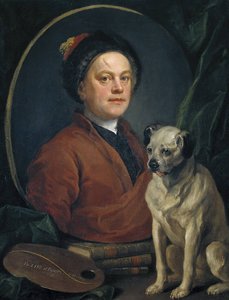
1697 - 1764 , Reino Unido

Descubra 10 obras-primas do Século XVIII! Explore a arte de David, Fragonard e Reynolds. Neoclassicismo, Rococó e retratos icônicos ganham vida. Encontre reproduções de alta qualidade para decorar sua casa com Most-Famous-Paintings.com

Descubra as 10 obras-primas do Rococó! Explore a elegância de Fragonard, Boucher e Watteau. A arte do século XVIII ganha vida com cores pastel e detalhes luxuosos. Encontre reproduções de alta qualidade em Most-Famous-Paintings.com.

Explore the satirical world of William Hogarth, pioneering British painter & engraver. Discover his iconic works like *A Rake's Progress* and insightful social commentary on 18th-century London life.

Descubra 10 gravuras icônicas de Dürer, Rembrandt e Goya que revolucionaram a arte! Explore a história, técnica e beleza atemporal destas obras-primas. Encontre reproduções de alta qualidade para decorar sua casa com Most-Famous-Paintings.com.

Descubra soluções de sinalização hoteleira em bronze e acrílico que combinam design sofisticado com acessibilidade ADA. Guia completo para designers de hotéis.


Fique por dentro das últimas notícias de arte, ofertas exclusivas e ideias de decoração.
Conte-nos sobre o seu projeto e os nossos especialistas em arte fornecerão 3 sugestões de arte personalizadas.
Deixe-nos selecionar 3 opções especialmente para você – Grátis!


 Compartilhar


 Ver mais







 A opção de vidro está disponível apenas para tamanhos inferiores a 110 cm


