x
 Ulei pe pânzăArtă muralăBaroque Realism
 1493Renașterea
 30.0 x 19.0 cm
 Staatliche Kunsthalle
Pictură în ulei pe pânză, realizată manual de artiștii noștri la dimensiunea și ramele dorite de dumneavoastră, pe comandă. ( Comandă printul Cumpără imaginea)





























Alegeți dintre dimensiunile noastre prestabilite, care respectă proporțiile originale ale operei de artă.

Puteți introduce propriile dimensiuni pentru a se potrivi unui anumit cadru sau spațiu. Dacă dimensiunea selectată nu corespunde proporțiilor imaginii originale, vom decupa opera de artă sau vom extinde pictura cu elemente suplimentare pictate manual. O simulare digitală vă va fi trimisă pentru aprobare înainte de începerea producției.
Vă rugăm să rețineți că previzualizarea de pe ecran nu reflectă decuparea sau extinderea reală. Doar macheta va arăta cu exactitate compoziția finală.
Deși sunt disponibile dimensiuni personalizate, vă recomandăm să selectați o dimensiune din lista predefinită pentru a păstra proporțiile originale.
Livrare în întreaga lume () în 3-4 săptămâni, în loc de cele 5 săptămâni standard. (15 August). Fără compromisuri în ceea ce privește calitatea.


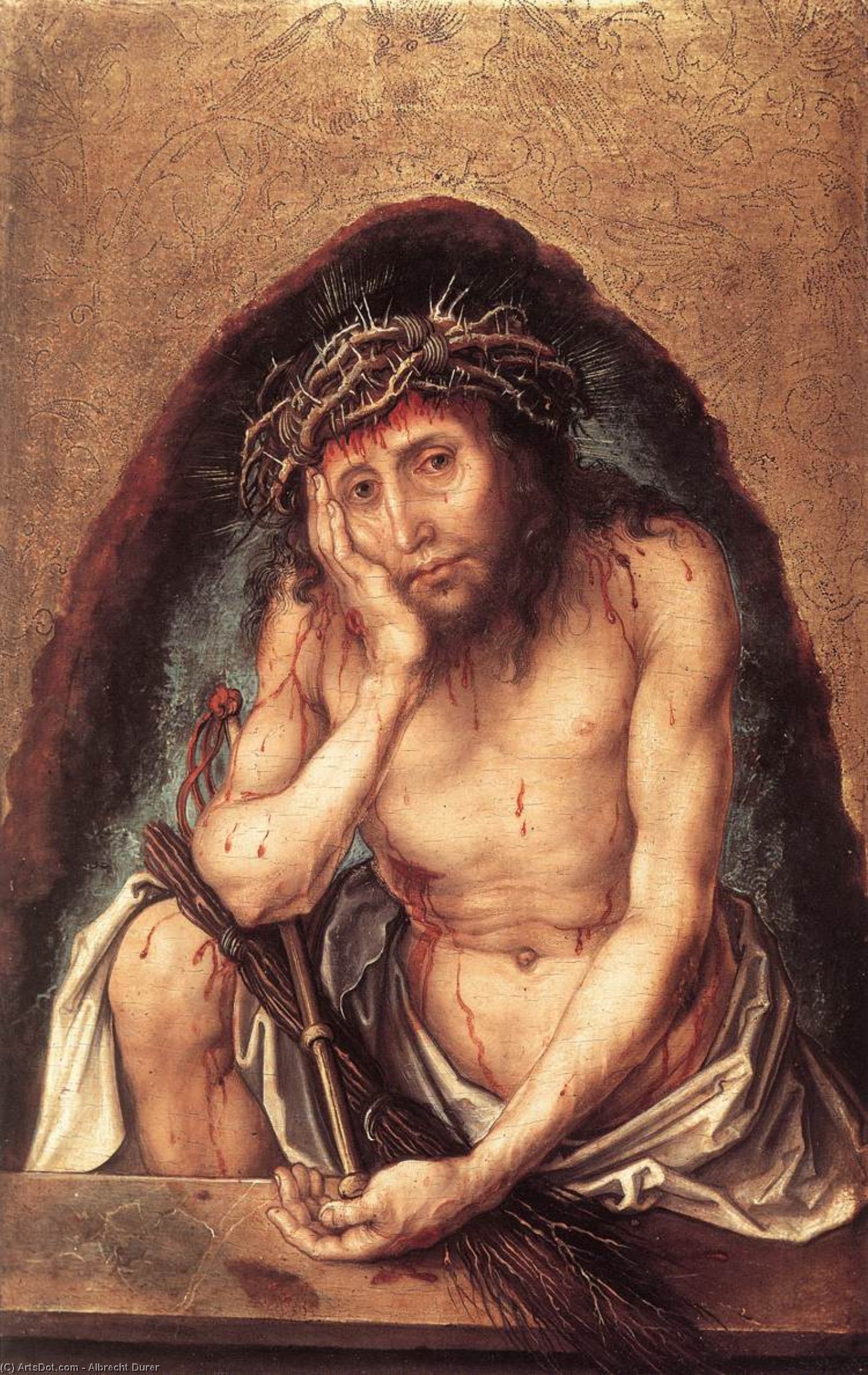
Cristos Cel Suferind
Dimensiune reproducere
Within the rich tapestry of the Northern Renaissance, Albrecht Dürer's "Christ as the Man of Sorrows," created in 1493, stands as a monumental achievement – not merely a depiction of religious iconography, but a profound exploration of human suffering and divine grace. This woodcut, meticulously crafted during a period of intense artistic innovation, continues to resonate with viewers centuries later, offering a glimpse into the soul of a master artist and the heart of Christian belief.
At its core, the artwork presents Christ in his most vulnerable state: the "Man of Sorrows." The image immediately confronts us with the stark reality of his ordeal – the visible wounds of the Passion are prominently displayed: the crown of thorns piercing his brow, the deep gash of the spear wound at his side. This isn’t a sanitized portrayal; Dürer doesn't shy away from the physical agony endured by Christ. Instead, he uses this unflinching realism to amplify the emotional weight of the scene, inviting contemplation on sacrifice and redemption. The symbolism is deeply rooted in Christian theology – the "Man of Sorrows" represents Christ’s willingness to bear the sins of humanity, a testament to his boundless love and compassion.
Dürer's mastery lies not only in the subject matter but also in his technical execution. As a pioneer of woodcut printing, he pushed the medium’s boundaries, demonstrating its capacity for astonishing detail and nuanced expression. The intricate lines, achieved through painstaking hand-cutting, create a remarkable sense of depth and texture – one can almost feel the roughness of the fabric draped across Christ's body, or the sharpness of the thorns embedded in his flesh. Crucially, Dürer employed *chiaroscuro*—the dramatic use of light and shadow—to imbue the figure with an almost startling three-dimensionality. This technique, borrowed from Renaissance painting, elevates the woodcut beyond a simple image, transforming it into a powerfully lifelike representation.
The choice of woodcut itself is significant. It allowed Dürer to achieve a level of precision and detail unattainable with other mediums at the time. The process demanded immense patience and control, reflecting the artist’s meticulous nature and his dedication to perfection. Furthermore, this work exemplifies the bridge between Gothic and Renaissance styles that Dürer so skillfully navigated – retaining elements of Gothic clarity while incorporating classical motifs and a heightened focus on human anatomy.
"Christ as the Man of Sorrows" was created within the vibrant artistic environment of Nuremberg, Germany, during the late 15th century. It’s part of a larger series, “Ritter von Turn” (The Book of the Knight of the Tower), published around the same time, and reflects the growing popularity of illustrated books as both devotional objects and educational tools. Dürer's work during this period was instrumental in establishing woodcut printing as a respected art form, challenging established conventions and demonstrating its potential for artistic expression. His innovations helped to democratize access to high-quality images, making religious themes more widely accessible to the public.
The emotional impact of this piece is undeniable. Dürer doesn't simply depict suffering; he evokes empathy and contemplation. Christ’s slumped posture, his head resting heavily on his hand – these details communicate a profound sense of exhaustion and despair. The dark backdrop further isolates the figure, intensifying the focus on his anguish. The use of earthy tones—browns, ochres, reds—combined with strategic highlights of gold and crimson, creates a visual language that speaks directly to the viewer’s heart. It's a work designed not just to be observed but to be felt – a powerful reminder of Christ’s sacrifice and humanity’s capacity for compassion.
This reproduction offers an exceptional opportunity to bring this masterpiece into your home, allowing you to experience its beauty and profound message firsthand. The meticulous detail and rich textures faithfully capture the essence of Dürer's original work, making it a stunning addition to any art collection or interior space.

Dürer’s influence reverberates through centuries of art history. His meticulous realism, his innovative use of printmaking, and his theoretical writings continue to inspire artists and scholars alike. He demonstrated that art could be both technically masterful and intellectually rigorous—a legacy that continues to shape the artistic landscape today. His work stands as a testament to the power of observation, the pursuit of knowledge, and the enduring human desire to create beauty and meaning.

1471 - 1528 , Germania
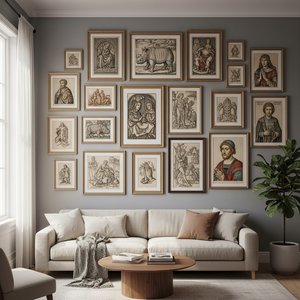
Descoperă cele mai frumoase 25 de picturi și gravuri Albrecht Dürer! Explorează capodopere renascentiste, simbolismul profund și tehnicile artistice unice. Reproduceri de artă de calitate muzeală pentru decor interior excepțional pe Most-Famous-Paintings.com.
Descoperă cele mai frumoase 25 de capodopere din British Museum! Rembrandt, Van Gogh și alte legende ale artei prind viață. Reproduceri de tablouri de calitate muzeală & inspirație decor pe Most-Famous-Paintings.com.

Descoperă 10 capodopere ale Renașterii nordice! Explorează picturi iconice de Jan van Eyck, Dürer și Bosch. Află poveștile maeștrilor și simbolismul vibrant al artei renascentiste. Reproduceri de artă premium pe Most-Famous-Paintings.com.

Explore the life & art of Albrecht Dürer, a pivotal German Renaissance master. Discover his groundbreaking printmaking techniques, iconic self-portraits, and lasting influence on Western art history. A deep dive into innovation & symbolism.

Explore the world of giclée prints with Most-Famous-Paintings. Learn about archival quality, aesthetic nuances & investment potential. Expert guidance for discerning art collectors seeking museum-quality reproductions and lasting value.


Rămâneți la curent cu cele mai recente știri din lumea artei, ofertele noastre exclusive și ideile de decor.
Spuneți-ne despre proiectul dumneavoastră, iar experții noștri în artă vă vor oferi 3 sugestii personalizate.
Vom selecta 3 opțiuni special pentru tine – Gratuit!


 Previzualizare
 Trimite
 Distribuie
 Detalii despre lucrare

 Descarcă
 Produse similare
 Radiografie
 Diapozitive automate
 Vezi mai mult







 Opțiunea cu sticlă este disponibilă doar pentru dimensiuni de sub 110 cm