x

Pictură în ulei pe pânză, realizată manual de artiștii noștri la dimensiunea și ramele dorite de dumneavoastră, pe comandă. ( Comandă printul Cumpără imaginea)





























Alegeți dintre dimensiunile noastre prestabilite, care respectă proporțiile originale ale operei de artă.

Puteți introduce propriile dimensiuni pentru a se potrivi unui anumit cadru sau spațiu. Dacă dimensiunea selectată nu corespunde proporțiilor imaginii originale, vom decupa opera de artă sau vom extinde pictura cu elemente suplimentare pictate manual. O simulare digitală vă va fi trimisă pentru aprobare înainte de începerea producției.
Vă rugăm să rețineți că previzualizarea de pe ecran nu reflectă decuparea sau extinderea reală. Doar macheta va arăta cu exactitate compoziția finală.
Deși sunt disponibile dimensiuni personalizate, vă recomandăm să selectați o dimensiune din lista predefinită pentru a păstra proporțiile originale.
Livrare în întreaga lume () în 3-4 săptămâni, în loc de cele 5 săptămâni standard. (19 August). Fără compromisuri în ceea ce privește calitatea.


Hands, drawing
Dimensiune reproducere
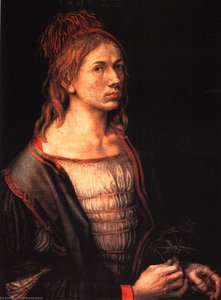
Albrecht Dürer’s “Hands, Drawing,” a seemingly simple depiction of a figure with raised hands in prayer, resonates with an extraordinary depth of meaning. Executed around 1508, this work transcends the purely representational, offering a window into the anxieties and spiritual aspirations of the Northern Renaissance. The painting immediately draws the eye to the central figure, whose hands are positioned above their head, forming a powerful cross – a universally recognized symbol of faith, sacrifice, and divine connection. Dürer’s meticulous attention to detail elevates this gesture beyond mere illustration; it becomes an embodiment of profound devotion.
Dürer was a revolutionary artist, known for his innovative techniques and unwavering commitment to precision. “Hands, Drawing” exemplifies this dedication. Executed in oil on panel, Dürer’s masterful use of glazing creates a luminous quality, capturing the subtle nuances of light and shadow across the figure's hands. The level of detail is astonishing – from the individual wrinkles and veins to the delicate folds of fabric – demonstrating his unparalleled skill as a draftsman. Dürer’s meticulous approach was not simply about replicating reality; it was about distilling the essence of form, capturing its inherent beauty with scientific accuracy.
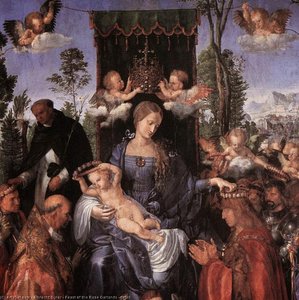
Created during a period of intense religious and intellectual ferment, “Hands, Drawing” reflects the profound spiritual concerns of the High Renaissance. The cross motif, central to Christian iconography, speaks to themes of redemption, sacrifice, and the relationship between humanity and the divine. The presence of two smaller figures flanking the main figure adds another layer of complexity, perhaps representing witnesses to the prayer or symbolizing a broader community united in faith. Dürer’s work aligns with the humanist movement's emphasis on human experience and its exploration of moral and spiritual questions.
Dürer was deeply influenced by late Gothic art, particularly the expressive gestures and emotional intensity found in works by artists like Stefan Lochner. However, he sought to elevate these traditions through his rigorous intellectual approach and technical mastery, forging a new path for Northern Renaissance art."Hands, Drawing" possesses an enduring emotional power that continues to resonate with viewers centuries later. The simple act of prayer, rendered with such profound sensitivity, evokes feelings of reverence, contemplation, and perhaps even a sense of personal connection to the divine. Dürer’s work stands as a testament to his genius – a masterful synthesis of technical skill, spiritual insight, and artistic vision. Its influence can be seen in countless subsequent works of art, solidifying its place as one of the most important paintings of the Renaissance.

Dürer’s influence reverberates through centuries of art history. His meticulous realism, his innovative use of printmaking, and his theoretical writings continue to inspire artists and scholars alike. He demonstrated that art could be both technically masterful and intellectually rigorous—a legacy that continues to shape the artistic landscape today. His work stands as a testament to the power of observation, the pursuit of knowledge, and the enduring human desire to create beauty and meaning.

1471 - 1528 , Germania

Elevate your design projects with Most-Famous-Paintings's premium canvas prints and hand-painted reproductions. Discover affordable, museum-quality wall decor delivered worldwide, offering freelance decorators professional excellence, archival durability, and bespoke customization for every space.


Rămâneți la curent cu cele mai recente știri din lumea artei, ofertele noastre exclusive și ideile de decor.
Spuneți-ne despre proiectul dumneavoastră, iar experții noștri în artă vă vor oferi 3 sugestii personalizate.
Vom selecta 3 opțiuni special pentru tine – Gratuit!


 Previzualizare
 Trimite
 Distribuie
 Detalii despre lucrare

 Descarcă
 Produse similare
 Radiografie
 Diapozitive automate

 Vezi mai mult







 Opțiunea cu sticlă este disponibilă doar pentru dimensiuni de sub 110 cm