x

Pictură în ulei pe pânză, realizată manual de artiștii noștri la dimensiunea și ramele dorite de dumneavoastră, pe comandă. ( Comandă printul Cumpără imaginea)





























Alegeți dintre dimensiunile noastre prestabilite, care respectă proporțiile originale ale operei de artă.

Puteți introduce propriile dimensiuni pentru a se potrivi unui anumit cadru sau spațiu. Dacă dimensiunea selectată nu corespunde proporțiilor imaginii originale, vom decupa opera de artă sau vom extinde pictura cu elemente suplimentare pictate manual. O simulare digitală vă va fi trimisă pentru aprobare înainte de începerea producției.
Vă rugăm să rețineți că previzualizarea de pe ecran nu reflectă decuparea sau extinderea reală. Doar macheta va arăta cu exactitate compoziția finală.
Deși sunt disponibile dimensiuni personalizate, vă recomandăm să selectați o dimensiune din lista predefinită pentru a păstra proporțiile originale.
Livrare în întreaga lume () în 3-4 săptămâni, în loc de cele 5 săptămâni standard. (20 August). Fără compromisuri în ceea ce privește calitatea.


Primula
Dimensiune reproducere
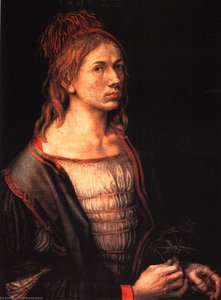
Albrecht Dürer's Primula, a deceptively simple depiction of a flowering plant, offers a profound glimpse into the artist’s meticulous observation and burgeoning mastery of naturalism during the High Renaissance. Executed around 1506, this intimate study transcends mere botanical illustration; it is a testament to Dürer's relentless pursuit of understanding the fundamental principles of form, color, and light – qualities that would define his legacy as one of the greatest artists of all time. The painting’s close-up perspective immediately draws the viewer into a world of delicate detail, inviting contemplation of the plant’s intricate structure and vibrant hues. The subject itself, the Primula (also known as the Cowslip), was a favored motif in Dürer's work, representing not just beauty but also the transient nature of life – a recurring theme throughout his oeuvre.
Within the context of the Northern Renaissance, Primula embodies several key symbolic meanings. The plant itself represents fertility, growth, and renewal – concepts deeply rooted in classical mythology and Christian theology. Dürer’s meticulous rendering of the flower aligns with the Renaissance ideal of *studia humanitatis* – a focus on the study of humanity and its place within the natural world. The precise botanical depiction was not simply an exercise in observation; it was a deliberate attempt to understand and represent the divine order inherent in creation. The inclusion of such a commonplace subject elevated it to a work of art, reflecting Dürer’s belief that beauty could be found in even the simplest of things.
Despite its seemingly modest subject matter, Primula possesses a remarkable emotional impact. The delicate rendering of the flower evokes a sense of tranquility and appreciation for the beauty of nature. Dürer’s masterful technique elevates this simple botanical study to a work of profound artistic significance, demonstrating his unparalleled skill and vision. As one of Dürer's earliest and most celebrated engravings, *Primula* serves as a foundational example of his innovative approach to printmaking and continues to inspire artists and art lovers alike. Its enduring appeal lies in its ability to capture not just the appearance of a flower, but also the very essence of artistic observation and human understanding.

Dürer’s influence reverberates through centuries of art history. His meticulous realism, his innovative use of printmaking, and his theoretical writings continue to inspire artists and scholars alike. He demonstrated that art could be both technically masterful and intellectually rigorous—a legacy that continues to shape the artistic landscape today. His work stands as a testament to the power of observation, the pursuit of knowledge, and the enduring human desire to create beauty and meaning.

1471 - 1528 , Germania

Explore the profound history and technical mastery of woodcut relief printing. From ancient origins to German Expressionism, discover how artists use the subtractive process to create iconic works. A definitive guide for art students, collectors, and historians.

Discover the technical mastery behind Most-Famous-Paintings.com's premium Giclée canvas prints. Our guide for elite collectors explores archival pigment inks, museum-grade substrates, and the science of high-fidelity reproduction to ensure lasting beauty and historical accuracy.


Rămâneți la curent cu cele mai recente știri din lumea artei, ofertele noastre exclusive și ideile de decor.
Spuneți-ne despre proiectul dumneavoastră, iar experții noștri în artă vă vor oferi 3 sugestii personalizate.
Vom selecta 3 opțiuni special pentru tine – Gratuit!


 Previzualizare
 Trimite
 Distribuie
 Detalii despre lucrare

 Descarcă
 Produse similare
 Radiografie
 Diapozitive automate

 Vezi mai mult







 Opțiunea cu sticlă este disponibilă doar pentru dimensiuni de sub 110 cm