


x

 Oil On PanelWallArtRenaissance
 1500Late Medieval
 65.0 x 31.0 cm
 Muzeul de Arte Frumoase din Montreal
Pictură în ulei pe pânză, realizată manual de artiștii noștri la dimensiunea și ramele dorite de dumneavoastră, pe comandă. ( Comandă printul Cumpără imaginea)





























Alegeți dintre dimensiunile noastre prestabilite, care respectă proporțiile originale ale operei de artă.

Puteți introduce propriile dimensiuni pentru a se potrivi unui anumit cadru sau spațiu. Dacă dimensiunea selectată nu corespunde proporțiilor imaginii originale, vom decupa opera de artă sau vom extinde pictura cu elemente suplimentare pictate manual. O simulare digitală vă va fi trimisă pentru aprobare înainte de începerea producției.
Vă rugăm să rețineți că previzualizarea de pe ecran nu reflectă decuparea sau extinderea reală. Doar macheta va arăta cu exactitate compoziția finală.
Deși sunt disponibile dimensiuni personalizate, vă recomandăm să selectați o dimensiune din lista predefinită pentru a păstra proporțiile originale.
Livrare în întreaga lume () în 3-4 săptămâni, în loc de cele 5 săptămâni standard. (22 August). Fără compromisuri în ceea ce privește calitatea.


Dido
Dimensiune reproducere
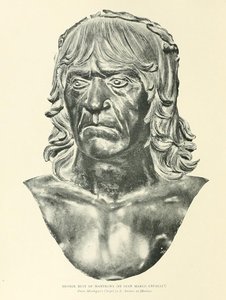
Andrea Mantegna’s “Dido,” painted around 1500, is not merely a portrait; it's an immersion into the heart of Renaissance mythology and a profound meditation on power, loss, and the weight of destiny. This vertical panel painting, now residing in the Montreal Museum of Fine Arts, immediately commands attention with its dramatic lighting and strikingly formal composition. The subject, traditionally identified as Dido, Queen of Carthage, is depicted not as a triumphant ruler but as a figure steeped in sorrow, holding an urn – a potent symbol of both remembrance and finality. Mantegna’s choice to portray her in this moment of quiet contemplation elevates the work beyond simple narrative illustration, transforming it into a study of human emotion and the enduring nature of legend.
(Image: Dido by Andrea Mantegna, 1500 - Available for high-quality reproductions at Most-Famous-Paintings.com)
Mantegna’s mastery is evident in every meticulously rendered detail. The painting exemplifies the High Renaissance style, characterized by a deep engagement with classical antiquity – particularly Roman sculpture. The figures are sculpted with an almost unnerving realism, possessing a sense of three-dimensionality that seems to leap from the panel. Linear precision dominates; precise lines define the architectural backdrop of wooden beams and foliage, creating a rigid framework for the figure’s graceful form. The use of geometric shapes – rectangles in the structure, curves in the drapery – contributes to this feeling of controlled order. This deliberate construction is balanced by a rich textural quality achieved through meticulous glazing and scumbling techniques; layers of translucent paint build up volume and luminosity, giving the surface an almost tactile feel.
The color palette is overwhelmingly warm, dominated by shades of gold, ochre, and deep brown. This warmth isn’t simply decorative; it evokes a sense of solemnity and antiquity, mirroring the subject's historical context. The dramatic lighting – a chiaroscuro effect – casts deep shadows that accentuate the figure’s form and drapery, intensifying the emotional impact. The subtle variations in tone create depth and volume, drawing the viewer into the scene. The urn itself is rendered in a burnished gold, further emphasizing its symbolic significance as a vessel for remembrance and perhaps, ultimately, for the finality of death.
The story behind “Dido” is steeped in legend. As recounted by Virgil in his *Aeneid*, Dido was a Phoenician queen who fled her homeland, driven by betrayal, to found the city of Carthage. The painting captures a poignant moment – after she has established her new kingdom but before its full glory, reflecting on her past and the sacrifices she made. The urn symbolizes the ashes of her lost love, Aeneas, and the weight of her decision. Beyond Virgil’s narrative, Dido represents themes of exile, loss, and female agency in a patriarchal world. Mantegna's choice to depict her not as a warrior queen but as a contemplative figure invites viewers to contemplate these complex themes alongside the beauty of the artwork itself. The painting resonates with echoes of other exemplary women from antiquity depicted by Mantegna – Tuccia, Sophonisba, Judith and Dido—each embodying strength, resilience, and tragic fate.
Most-Famous-Paintings.com offers meticulously crafted, hand-painted reproductions of Andrea Mantegna’s “Dido,” capturing the essence of this Renaissance masterpiece with unparalleled detail and fidelity. Whether you're an art collector, interior designer seeking a statement piece, or simply captivated by the beauty of this iconic work, our reproductions provide a stunning way to experience the drama, emotion, and timeless artistry of Mantegna’s “Dido.” Explore our collection today at Most-Famous-Paintings.com.

1431 - 1506 , Italia

Explore the profound history of gold leaf and gilding in Byzantine and Renaissance art. Discover how this sacred technique transformed religious iconography into celestial phenomena through light, symbolism, and unparalleled craftsmanship.

Explore the dramatic world of Italian Baroque art. Discover how masters like Caravaggio used chiaroscuro and tenebrism to revolutionize painting through light, shadow, and profound realism. A definitive guide for history lovers and art collectors.


Rămâneți la curent cu cele mai recente știri din lumea artei, ofertele noastre exclusive și ideile de decor.
Spuneți-ne despre proiectul dumneavoastră, iar experții noștri în artă vă vor oferi 3 sugestii personalizate.
Vom selecta 3 opțiuni special pentru tine – Gratuit!


 Previzualizare
 Trimite
 Distribuie
 Detalii despre lucrare

 Descarcă
 Produse similare
 Radiografie
 Diapozitive automate
 Vezi mai mult







 Opțiunea cu sticlă este disponibilă doar pentru dimensiuni de sub 110 cm


