x

Achiziționați o imagine digitală de înaltă rezoluție, îmbunătățită, mult superioară previzualizării online.
Fiecare fișier este pregătit cu meticulozitate de specialiștii noștri interni, utilizând instrumente avansate și retușare manuală expertă. Ne asigurăm că fiecare imagine beneficiază de o claritate excepțională, o acuratețe precisă a culorilor și detalii fine.
Fișierul final este livrat prin e-mail în termen de 72 de ore, optimizat pentru utilizare imediată în medii profesionale, editoriale și de imprimare. Aceasta este aceeași calitate în care au încredere studiouri de design, edituri și galerii de top.
Descărcați un fișier la rezoluție înaltă pentru afișare personală, imprimare și proiecte creative. ( Comandă printul Comandă pictură lucrată manual)
Când alegeți Most-Famous-Paintings.com, nu primiți doar o simplă imagine – primiți o operă de artă digitală îmbunătățită profesional, creată cu precizie și susținută de o garanție de satisfacție. Iată tot ceea ce primești odată cu comanda ta, în mod automat:

Fișierul imaginii digitale la rezoluție înaltă vă va fi trimis prin e-mail în termen de 72 de ore de la finalizarea comenzii – gata pentru utilizare imediată.

Opera ta de artă este optimizată profesional prin intermediul unor instrumente AI avansate și al editării manuale, asigurând un nivel maxim de detalii, claritate și acuratețe a culorilor.

Ai șters sau ai pierdut din greșeală fișierul? Nu îți face griji – ți-l vom retrimite oricând, gratuit.

Bucură-te instant de noua ta operă de artă, fără taxe vamale, taxe de import sau costuri de livrare – descărcările digitale sunt întotdeauna fără taxe.

Asigurăm o reflectare cât mai fidelă a culorilor originale în imaginea ta digitală, prin utilizarea unor instrumente profesionale și a proceselor de gestionare a culorii.

Dacă nu sunteți mulțumit de imaginea digitală achiziționată, o vom revizui sau vă vom returna 100% în termen de 60 de zile – fără nicio explicație necesară.

Nu ești mulțumit? Obține o rambursare completă în termen de 60 de zile de la primirea fișierului tău digital – fără întrebări.

Cumpără 3 imagini, economisește 10% - Cumpără 5, economisește 15% - Cumpără 10+, economisește 20%. Ideal pentru proiecte creative, galerii și agenții.

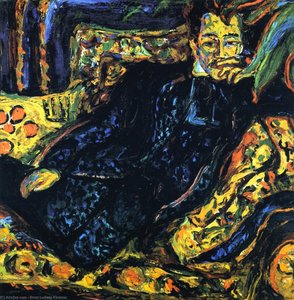
Béla Czóbel (1883-1976) stands as a pivotal figure in the development of 20th-century art, particularly within Hungary. More than simply a painter, he was a key instigator of artistic innovation, bridging the gap between traditional European styles and the burgeoning avant-garde movements of his time. His work, characterized by intense emotion, dramatic lighting, and a haunting atmosphere, reflects both personal turmoil and a profound engagement with the changing social landscape of early 20th-century Europe. Czóbel’s legacy lies not only in his distinctive artistic style but also in his role as a catalyst for artistic experimentation within Hungary, shaping the course of modern Hungarian art.
Born in Budapest to a Jewish-Hungarian family, Béla Czóbel’s early life was marked by an appreciation for the arts fostered by his grandfather, a decorative painter. This familial influence ignited a passion within him, leading him to pursue formal artistic training. He initially studied at the Nagybánya Free School of Painting in Romania (now Baia Mare), under Béla Iványi Grünwald, where he was exposed to the principles of naturalism and the burgeoning Hungarian art scene. This early environment emphasized a direct observation of reality, a foundation that would later be dramatically transformed by his encounters with European avant-garde movements.
A pivotal moment in Czóbel’s artistic development occurred when he traveled to Munich in 1902. There, he immersed himself in the vibrant art world of the German Empire, studying at the Academy of Fine Arts and forging connections with fellow artists like Jules Pascin, Rudolf Lévy, and Walter Bondy. These encounters proved crucial, exposing him to new ideas and techniques – particularly the influence of Fauvism – that would fundamentally alter his artistic approach.
Czóbel’s exposure to Fauvism in Paris during 1905 proved transformative. The bold, non-naturalistic use of color, championed by Matisse and Derain, resonated deeply with his artistic sensibilities. He began incorporating these vibrant hues into his work, moving away from the muted tones of naturalism towards a more expressive and emotionally charged palette. This shift was not merely stylistic; it represented a deliberate rejection of academic conventions and an embrace of subjective experience.
In 1909, Czóbel became a founding member of “The Eight” (Nyolcak), a group of Hungarian artists who sought to break free from the established artistic traditions of Hungary. This collective, comprised of figures like Károly Kernstok and Róbert Berény, aimed to introduce new ideas and styles – including Fauvism, Cubism, and Expressionism – into the Hungarian art world. “The Eight” staged their first exhibition in 1911, marking a significant moment in the history of modern Hungarian art.
Following World War I, Czóbel’s artistic style continued to evolve, incorporating elements of German Expressionism while retaining his distinctive use of color and dramatic lighting. His paintings often depict scenes of urban life, interiors, and portraits, but they are imbued with a sense of unease and psychological intensity. He frequently explored themes of isolation, alienation, and the darker aspects of human experience. His work is characterized by a palpable atmosphere—a feeling of melancholy, mystery, and even dread.
During his time in Paris (1925-1939), Czóbel produced some of his most celebrated works, including *Kislány ágy előtt* (“Little Girl in Front of a Bed”) and *Ülő akt* (“Sitting Nude”). These paintings exemplify his mastery of color, composition, and psychological expression. His later work often featured stark contrasts between light and shadow, creating a dramatic and unsettling effect.
Béla Czóbel’s impact on Hungarian art is undeniable. He played a crucial role in introducing modern European movements – particularly Fauvism and Expressionism – to Hungary, challenging the established artistic norms of the time. His work paved the way for subsequent generations of Hungarian artists, influencing their approach to color, composition, and subject matter. Despite facing challenges during World War II and the subsequent communist era, Czóbel’s legacy endures as a testament to his artistic vision and his contribution to the development of modern art.
He was awarded the Kossuth Prize in 1948, recognizing his significant contributions to Hungarian culture. Today, his works are exhibited in museums throughout Hungary and beyond, ensuring that his unique artistic voice continues to resonate with audiences worldwide.

1883 - 1976 , Hungary


Rămâneți la curent cu cele mai recente știri din lumea artei, ofertele noastre exclusive și ideile de decor.
Spuneți-ne despre proiectul dumneavoastră, iar experții noștri în artă vă vor oferi 3 sugestii personalizate.
Vom selecta 3 opțiuni special pentru tine – Gratuit!


 Previzualizare
 Trimite
 Distribuie
 Detalii despre lucrare

 Descarcă
 Produse similare
 Radiografie
 Diapozitive automate
 Vezi mai mult