


x


 Comandă tipăritul Cumpără imaginea
 Trimite
 Detalii despre lucrare
 Adaugă la favorite
 Descarcă
 Similare
 Radiografie
 Diaporama
 Acrylic On CanvasWallArtImpressionist Movement
 1891
1891 152.0 x 85.0 cm
 Musée Marmottan Monet
Pictură în ulei pe pânză, pictată manual, la dimensiunea și ramele dorite de dumneavoastră, realizată la comandă de artiștii noștri.





























Alegeți dintre dimensiunile noastre prestabilite, care respectă proporțiile originale ale operei de artă.

Puteți introduce propriile dimensiuni pentru a se potrivi unui anumit cadru sau spațiu. Dacă dimensiunea selectată nu corespunde proporțiilor imaginii originale, vom decupa opera de artă sau vom extinde pictura cu elemente suplimentare pictate manual. O simulare digitală vă va fi trimisă pentru aprobare înainte de începerea producției.
Vă rugăm să rețineți că previzualizarea de pe ecran nu reflectă decuparea sau extinderea reală. Doar macheta va arăta cu exactitate compoziția finală.
Deși sunt disponibile dimensiuni personalizate, vă recomandăm să selectați o dimensiune din lista predefinită pentru a păstra proporțiile originale.
Livrare în întreaga lume () în 3/4 săptămâni, în loc de cele 5 săptămâni standard. (21 Iulie). Fără compromisuri în ceea ce privește calitatea.


The Cherry Tree
Dimensiune reproducere
Berthe Morisot’s “The Cherry Tree,” painted in 1891, isn't merely a depiction of two women beneath a blossoming cherry tree; it’s an embodiment of the Impressionist ethos—a celebration of fleeting beauty and an intimate glimpse into domestic life. Situated within the Musée Marmottan Monet in Paris, this canvas transcends its physical dimensions to transport viewers back to a specific time and place, capturing the spirit of Belle Époque France.
Morisot skillfully employs loose brushstrokes—characteristic of Impressionism—to render the vibrant hues of the cherry blossoms and the subtle shades of skin tones. The artist eschews meticulous detail, prioritizing instead the impression of light filtering through the branches onto her subjects. Notice how Morisot captures the diffused glow emanating from the tree’s petals, creating an ethereal atmosphere that invites contemplation. Her technique—primarily oil paint applied in thin layers—allows for maximum luminosity and transparency, mirroring the Impressionists' fascination with capturing atmospheric conditions.
The cherry tree itself holds profound symbolic significance within Japanese culture, representing renewal, purity, and the ephemeral nature of life. In Morisot’s painting, it serves as a visual metaphor for femininity—the woman reaching upwards embodies aspiration and desire, while her companion anchors herself to the tree, symbolizing stability and connection to tradition. The gesture of picking fruit speaks to themes of nurturing and domestic responsibility, reflecting the role of women in shaping family life during this period.
Painted against the backdrop of a rapidly changing society—one grappling with industrialization and urbanization—Morisot's work stands apart from academic art traditions that favored grand narratives and idealized representations. The Impressionists sought to depict scenes from ordinary life, capturing moments of sensory experience with unprecedented honesty. “The Cherry Tree” exemplifies this artistic impulse, demonstrating Morisot’s commitment to portraying the beauty found in seemingly unremarkable subjects—a testament to her enduring legacy as one of the foremost female artists of her generation.
Ultimately, “The Cherry Tree” resonates with viewers on an emotional level. Its serene palette and harmonious composition evoke a sense of tranquility and contentment—a feeling perfectly aligned with the Impressionist desire to capture the sublime qualities of nature. More than just a visual spectacle, Morisot’s masterpiece invites us to pause, observe, and appreciate the simple joys of existence, reminding us that beauty can be found in even the most unassuming corners of our world.


1841 - 1895 , Franța
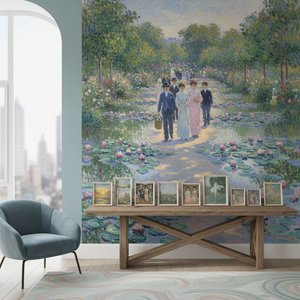
Descoperă top 10 capodopere impresioniste de la Monet, Manet, Renoir și alți artiști geniali. Explorează istoria, tehnicile și emoțiile din spatele picturilor celebre. Reproduceri tablouri de lux pe .ro! Explorează colecția online.

Descoperă top 10 capodopere impresioniste care au revoluționat arta! Monet, Manet, Renoir și alți maeștri ai peisajului. Reproduceri de tablouri de calitate muzeală pentru un decor inspirat. Explorează colecția completă pe Most-Famous-Paintings.com!

Explore the emotional power of pastel palettes in art history! Discover Impressionism, Post-Impressionism & color psychology insights. Find museum-quality reproductions at Most-Famous-Paintings.

Descoperă cele mai frumoase 25 de picturi Renoir! Explorează capodoperele impresionismului, culorile vibrante și poveștile din spatele fiecărei opere. Reproduceri artă de lux pe Most-Famous-Paintings.com – adaugă eleganță locuinței tale!

Explore the evocative landscapes of Amédée Masclef, a key figure bridging Barbizon realism & Symbolist sentiment. Discover his exquisite botanical watercolors and artistic legacy with Most-Famous-Paintings.


Rămâneți la curent cu cele mai recente știri din lumea artei, ofertele noastre exclusive și ideile de decor.
Spuneți-ne despre proiectul dumneavoastră, iar experții noștri în artă vă vor oferi 3 sugestii personalizate.
Vom selecta 3 opțiuni special pentru tine – Gratuit!


 Distribuie

 Vezi mai mult







 Opțiunea cu sticlă este disponibilă doar pentru dimensiuni de sub 110 cm


