x

Pictură în ulei pe pânză, realizată manual de artiștii noștri la dimensiunea și ramele dorite de dumneavoastră, pe comandă. ( Comandă printul Cumpără imaginea)





























Alegeți dintre dimensiunile noastre prestabilite, care respectă proporțiile originale ale operei de artă.

Puteți introduce propriile dimensiuni pentru a se potrivi unui anumit cadru sau spațiu. Dacă dimensiunea selectată nu corespunde proporțiilor imaginii originale, vom decupa opera de artă sau vom extinde pictura cu elemente suplimentare pictate manual. O simulare digitală vă va fi trimisă pentru aprobare înainte de începerea producției.
Vă rugăm să rețineți că previzualizarea de pe ecran nu reflectă decuparea sau extinderea reală. Doar macheta va arăta cu exactitate compoziția finală.
Deși sunt disponibile dimensiuni personalizate, vă recomandăm să selectați o dimensiune din lista predefinită pentru a păstra proporțiile originale.
Livrare în întreaga lume () în 3-4 săptămâni, în loc de cele 5 săptămâni standard. (19 August). Fără compromisuri în ceea ce privește calitatea.


san francesco e langelo
Dimensiune reproducere
Michelangelo Merisi da Caravaggio’s “San Francesco e Angelo” (Saint Francis and the Angel) is not merely a religious scene; it's a visceral embodiment of faith, suffering, and divine grace. Painted circa 1603-1604, during his Roman period, this work transcends its straightforward depiction of Saint Francis receiving aid from an angel to become a profound meditation on human vulnerability and the transformative power of spiritual devotion. The painting’s raw emotionality, coupled with Caravaggio's signature dramatic use of light and shadow – known as tenebrism – immediately captivates the viewer, drawing them into a world steeped in both earthly pain and celestial comfort.
The composition is strikingly simple yet intensely effective. At its heart lies the prone figure of Saint Francis, his body limp and vulnerable, seemingly on the brink of death. His face, rendered with agonizing realism, conveys a profound sense of exhaustion and despair. He’s not idealized; he's a man ravaged by earthly struggles, embodying the very essence of human frailty. Opposite him stands the angel, a figure of serene authority and compassionate intervention. The angel’s wings are subtly suggested, adding to his ethereal quality, while his gesture – gently lifting Francis – speaks volumes about divine assistance and unwavering support. The two birds in the upper corners—a dove and a falcon—add layers of symbolic complexity, often interpreted as representing hope and vigilance respectively, further enriching the painting's narrative.
Caravaggio’s genius lay not just in his subject matter but in his revolutionary approach to technique. “San Francesco e Angelo” exemplifies this perfectly. He abandoned the polished surfaces and idealized forms favored by many of his contemporaries, opting instead for a brutally honest portrayal of human anatomy and emotion. The figures are painted directly onto the canvas, often without preliminary sketches, resulting in an immediacy and spontaneity rarely seen in art of that era. Crucially, Caravaggio employed *chiaroscuro* – the dramatic contrast between light and dark – to create a theatrical effect. The intense illumination focuses solely on Francis and the angel, plunging the background into deep shadow, amplifying the sense of drama and highlighting the central figures’ plight.
The use of *tenebrism*, where darkness dominates the scene, is particularly evident here. It's not simply a stylistic choice; it serves to heighten the emotional impact, suggesting a world shrouded in mystery and spiritual struggle. The limited palette – primarily browns, ochres, and blacks – further contributes to the painting’s somber mood, reinforcing the theme of mortality and suffering. Caravaggio’s mastery of light and shadow transforms a simple depiction of a religious scene into a powerful exploration of human experience.
Beyond its immediate visual impact, “San Francesco e Angelo” is rich in symbolic meaning. Saint Francis, the patron saint of animals and the poor, represents humility, compassion, and a deep connection to nature. His near-death state underscores his dedication to service and his willingness to endure hardship for the sake of others. The angel’s intervention symbolizes divine mercy and the promise of redemption. The act of lifting Francis is not merely a physical gesture; it's a representation of spiritual elevation, suggesting that faith can overcome even the most profound suffering.
Furthermore, the painting resonates with broader theological themes – the struggle between good and evil, the nature of mortality, and the importance of divine grace. Caravaggio’s ability to infuse these complex ideas into a single, emotionally charged image is what makes “San Francesco e Angelo” such a compelling and enduring work of art. It invites contemplation on the human condition and offers a glimpse into the profound mysteries of faith.
Most-Famous-Paintings.com offers meticulously crafted hand-painted reproductions of “San Francesco e Angelo,” allowing you to experience the full power and beauty of this iconic masterpiece in your own home or office. Our skilled artists replicate Caravaggio’s distinctive style with exceptional accuracy, capturing the dramatic lighting, intense emotion, and symbolic depth that define this extraordinary painting. Whether you're an art enthusiast, a collector, or simply seeking to add a touch of Baroque grandeur to your space, a Most-Famous-Paintings reproduction of “San Francesco e Angelo” is a stunning investment – a testament to Caravaggio’s genius and a powerful reminder of the enduring themes of faith, suffering, and redemption.

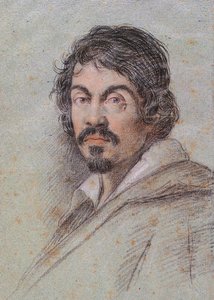
1571 - 1610 , Spania

Explore the dramatic world of Italian Baroque art. Discover how masters like Caravaggio used chiaroscuro and tenebrism to revolutionize painting through light, shadow, and profound realism. A definitive guide for history lovers and art collectors.

Explore the dramatic world of Baroque painting. Discover how masters like Caravaggio used chiaroscuro to evoke emotion, the historical impact of the Counter-Reformation, and how you can bring these museum-quality masterpieces into your home through exquisite hand-painted reproductions.

Explore the dramatic world of Tenebrism. Discover how Baroque masters like Caravaggio used intense light and shadow to redefine realism. A definitive guide for art enthusiasts seeking to understand the power of chiaroscuro in classical masterpieces.


Rămâneți la curent cu cele mai recente știri din lumea artei, ofertele noastre exclusive și ideile de decor.
Spuneți-ne despre proiectul dumneavoastră, iar experții noștri în artă vă vor oferi 3 sugestii personalizate.
Vom selecta 3 opțiuni special pentru tine – Gratuit!


 Previzualizare
 Trimite
 Distribuie
 Detalii despre lucrare

 Descarcă
 Produse similare
 Radiografie
 Diapozitive automate
 Vezi mai mult







 Opțiunea cu sticlă este disponibilă doar pentru dimensiuni de sub 110 cm