


x

 Acrilic pe pânzăArtă muralăBaroque Painting
 1596Renașterea
 94.0 x 119.0 cm
 Muzeul Hermitaj
Printuri giclée sau pe canvas de calitate muzeală, cu proces de producție rapid și opțiuni flexibile de finisare. ( Comandă pictură lucrată manual Cumpără imaginea)





























Alegeți dintre dimensiunile noastre prestabilite, care respectă proporțiile originale ale operei de artă.

Puteți introduce propriile dimensiuni pentru a se potrivi unui anumit cadru sau spațiu. Dacă dimensiunea selectată nu corespunde proporțiilor imaginii originale, vom decupa lucrarea de artă sau vom extinde imaginea cu margini oglindite sau cu o culoare uniformă. Un mockup digital va fi trimis pentru aprobarea dumneavoastră înainte de începerea producției.
Vă rugăm să rețineți că previzualizarea de pe ecran nu reflectă decuparea sau extinderea reală. Doar mockup-ul va arăta cu exactitate compoziția finală.
Deși dimensiunile personalizate sunt disponibile, vă recomandăm să selectați o dimensiune din lista predefinită pentru a păstra proporțiile originale.
Livrare în întreaga lume () în 2 săptămâni, în loc de cele 4/5 săptămâni standard. (21 August)


Suonatore di liuto
Dimensiune reproducere
Michelangelo Merisi da Caravaggio (1571–1610), universally known as Caravaggio, stands as one of the most influential figures in Baroque art. His revolutionary approach to painting—characterized by dramatic chiaroscuro, unflinching realism, and psychological depth—continues to captivate audiences centuries later. This essay delves into an analysis of “The Lute Player,” examining its artistic merits, historical significance, and enduring emotional resonance.
Background: Caravaggio’s early biographer Giovanni Baglione recounts a tale that encapsulates the artist's ethos: he painted for Cardinal Francesco Maria del Monte a young man who played the lute, portraying him with such vibrancy and conviction that it seemed utterly alive. This depiction—a cornerstone of Caravaggio’s oeuvre—was executed in 1596 and resides in the Wildenstein Collection.
Composition & Technique: The painting depicts a solitary young man absorbed in music, accompanied by a lute positioned prominently before him. Caravaggio masterfully employs chiaroscuro – the interplay of light and shadow – to sculpt the figure’s form and imbue it with palpable emotion. Light emanates from a single window, casting dramatic highlights across the boy's face and torso while enveloping the surrounding space in deep darkness. This technique wasn’t merely stylistic; Caravaggio meticulously studied anatomy and observation, striving for an unprecedented level of accuracy. He achieved this remarkable feat by painstakingly dissecting corpses to understand human musculature—a controversial practice at the time but crucial to his artistic vision.
Symbolism & Elements: Beyond its technical brilliance, “The Lute Player” is laden with symbolic meaning. The lute itself represents musical artistry and contemplation, mirroring the serene focus of the musician. Adjacent vases hold flowers—primarily oranges and apples—symbols of fertility and prosperity, reflecting Renaissance ideals of beauty and harmony. Notably, Caravaggio’s selection of instruments speaks to the cultural landscape of his era; he deliberately chose music by Jacques Arcadelt, a Florentine madrigal composer whose work resonated with humanist sensibilities.
Historical Context & Influence: Caravaggio’s artistic output coincided with a period marked by fervent religious fervor and burgeoning artistic experimentation. He challenged the prevailing conventions of Mannerism—characterized by elongated figures and stylized poses—embracing instead naturalistic representation that confronted viewers with unflinching depictions of human experience. His influence extended far beyond Rome, inspiring artists like Diego Velázquez and Theodor Rombouts who adopted his groundbreaking chiaroscuro technique to convey emotion and drama.
Reproductions & Legacy: Most-Famous-Paintings.com offers meticulously crafted oil painting reproductions and prints on canvas of “The Lute Player,” preserving Caravaggio’s masterpiece with exceptional fidelity. These reproductions are created by skilled artisans, ensuring that the luminous beauty and emotional intensity of this iconic artwork endure for generations to come.
Conclusion: “The Lute Player” remains a testament to Caravaggio’s unparalleled artistic vision—a profound exploration of human emotion conveyed through masterful technique and imbued with enduring symbolic significance. It stands as an exemplar of Baroque art, captivating viewers worldwide and cementing Caravaggio's place among the greatest painters in history.

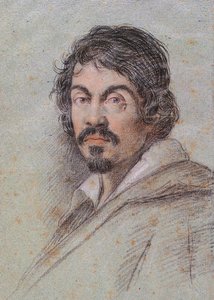
1571 - 1610 , Spania

Explore the dramatic world of Baroque art! Discover iconic artists like Caravaggio & Rubens, defining techniques, and its lasting impact on art history. Expert insights for collectors & enthusiasts at Most-Famous-Paintings.
Descoperă splendoarea Barocului! Explorează cele mai importante 10 capodopere ale lui Caravaggio, Rembrandt și Rubens. Află poveștile din spatele picturilor iconice și adu eleganța clasică în casa ta cu reproduceri de artă premium pe Most-Famous-Paintings.ro

Explore the dramatic world of Baroque Realism! Discover iconic artists like Caravaggio & Rubens, their techniques, and the movement's lasting impact on art history. Expert insights for collectors & enthusiasts.

Explore the dramatic world of Baroque art! Discover iconic masters like Caravaggio & Rembrandt, their techniques, and the movement's lasting impact. Expert insights for collectors & enthusiasts at Most-Famous-Paintings.

Explore the revolutionary realism of Caravaggio! Discover his mastery of light & shadow (tenebrism), dramatic religious scenes, and lasting influence on Baroque art history. A comprehensive guide for art enthusiasts.


Rămâneți la curent cu cele mai recente știri din lumea artei, ofertele noastre exclusive și ideile de decor.
Spuneți-ne despre proiectul dumneavoastră, iar experții noștri în artă vă vor oferi 3 sugestii personalizate.
Vom selecta 3 opțiuni special pentru tine – Gratuit!


 Previzualizare
 Trimite
 Distribuie
 Detalii despre lucrare

 Descarcă
 Produse similare
 Radiografie
 Diapozitive automate
 Vezi mai mult







 Opțiunea cu sticlă este disponibilă doar pentru dimensiuni de sub 110 cm


