x

Pictură în ulei pe pânză, realizată manual de artiștii noștri la dimensiunea și ramele dorite de dumneavoastră, pe comandă. ( Comandă printul Cumpără imaginea)





























Alegeți dintre dimensiunile noastre prestabilite, care respectă proporțiile originale ale operei de artă.

Puteți introduce propriile dimensiuni pentru a se potrivi unui anumit cadru sau spațiu. Dacă dimensiunea selectată nu corespunde proporțiilor imaginii originale, vom decupa opera de artă sau vom extinde pictura cu elemente suplimentare pictate manual. O simulare digitală vă va fi trimisă pentru aprobare înainte de începerea producției.
Vă rugăm să rețineți că previzualizarea de pe ecran nu reflectă decuparea sau extinderea reală. Doar macheta va arăta cu exactitate compoziția finală.
Deși sunt disponibile dimensiuni personalizate, vă recomandăm să selectați o dimensiune din lista predefinită pentru a păstra proporțiile originale.
Livrare în întreaga lume () în 3-4 săptămâni, în loc de cele 5 săptămâni standard. (19 August). Fără compromisuri în ceea ce privește calitatea.


the fortune teller
Dimensiune reproducere
Michelangelo Merisi da Caravaggio, a name synonymous with dramatic intensity and revolutionary technique, gifted us with a series of paintings that continue to captivate centuries later. Among his most enigmatic and compelling works is “The Fortune Teller,” painted around 1599 – a piece that transcends mere portraiture, delving into themes of deception, desire, and the precarious nature of human perception. This isn’t simply a depiction of a Romani woman reading palms; it's a carefully constructed tableau brimming with psychological depth and masterful manipulation of light and shadow, hallmarks of Caravaggio’s distinctive style.

The painting immediately draws the viewer into a dimly lit, intimate space. A young man, dressed in opulent attire – a testament to his status – sits attentively before a Romani woman. Her face is partially obscured by shadow, yet her gaze is direct and alluring. The composition is remarkably balanced, with the figures occupying nearly equal visual weight. Crucially, Caravaggio doesn’t offer a straightforward narrative; instead, he presents a moment suspended in time, ripe with unspoken tension. The young man's expression suggests both fascination and perhaps a hint of apprehension. He’s clearly captivated by her presence, while the Romani woman maintains an air of studied nonchalance – a subtle suggestion that she is not merely dispensing prophecies but engaging in a carefully orchestrated game.
A key element often overlooked is the detail within the scene: the young man's hand, partially visible, reveals a ring being deftly removed by the fortune teller. This seemingly minor gesture carries immense symbolic weight – representing a loss of material wealth and perhaps even innocence. It’s a visual metaphor for deception and the vulnerability inherent in succumbing to allure.
What truly elevates “The Fortune Teller” is Caravaggio's unparalleled mastery of *chiaroscuro*, the dramatic contrast between light and dark. He employs a technique known as *tenebrism*, where deep shadows dominate the scene, intensifying the highlights and creating an almost theatrical effect. This isn’t merely about illumination; it’s about sculpting form and conveying emotion. The strong directional light focuses attention on the figures, isolating them from the background and amplifying their psychological drama. The use of a single, unseen light source – likely a window to the left – casts dramatic shafts that pierce through the darkness, highlighting faces and gestures with an almost divine intensity.
Furthermore, Caravaggio’s approach to realism was groundbreaking for his time. He eschewed idealized representations in favor of portraying figures as they truly appeared—with imperfections, wrinkles, and a palpable sense of humanity. This commitment to naturalism is evident in the details of the Romani woman's clothing, her weathered face, and the young man’s youthful features.
“The Fortune Teller” emerged during a period of significant social and artistic change in Rome. Caravaggio was operating within the context of the Counter-Reformation, a time when the Catholic Church sought to reaffirm its authority through art that emphasized religious themes and moral instruction. However, Caravaggio’s work transcends simple didacticism; it explores complex human emotions and psychological states with remarkable subtlety. The Romani people, often viewed with suspicion and prejudice during this era, were frequently associated with fortune-telling and superstition. Caravaggio's depiction challenges these stereotypes, presenting them as enigmatic figures shrouded in mystery.
The painting’s enduring appeal lies not only in its technical brilliance but also in its ability to provoke contemplation about the nature of truth, deception, and the seductive power of appearances. It remains a potent reminder of Caravaggio's genius – a master of light, shadow, and the human heart.

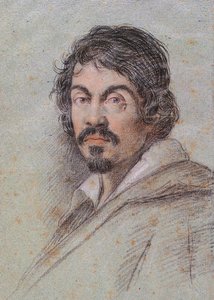
1571 - 1610 , Spania

Explore the dramatic world of Italian Baroque art. Discover how masters like Caravaggio used chiaroscuro and tenebrism to revolutionize painting through light, shadow, and profound realism. A definitive guide for history lovers and art collectors.

Explore the dramatic world of Baroque painting. Discover how masters like Caravaggio used chiaroscuro to evoke emotion, the historical impact of the Counter-Reformation, and how you can bring these museum-quality masterpieces into your home through exquisite hand-painted reproductions.

Explore the profound elegance of Baroque Classicism. Discover how 17th-century masters synthesized dramatic emotion with classical order through the lens of the Counter-Reformation and the works of legends like Carlo Maratta and Andrea Sacchi.

Explore the profound drama of 17th-century Baroque art. Discover how masters used chiaroscuro, movement, and emotional intensity to redefine history through the lens of the Counter-Reformation. An expert guide for art historians and collectors seeking deep cultural insight.

Explore the dramatic power of Baroque art. Discover how masters like Caravaggio used chiaroscuro and light to redefine emotion, history, and faith through a definitive guide for art enthusiasts and collectors.


Rămâneți la curent cu cele mai recente știri din lumea artei, ofertele noastre exclusive și ideile de decor.
Spuneți-ne despre proiectul dumneavoastră, iar experții noștri în artă vă vor oferi 3 sugestii personalizate.
Vom selecta 3 opțiuni special pentru tine – Gratuit!


 Previzualizare
 Trimite
 Distribuie
 Detalii despre lucrare

 Descarcă
 Produse similare
 Radiografie
 Diapozitive automate
 Vezi mai mult







 Opțiunea cu sticlă este disponibilă doar pentru dimensiuni de sub 110 cm