x

 Oil On CanvasWallArtBaroque
 1643Early Modern
 146.0 x 222.0 cm
 Muzeul Luvru
Printuri giclée sau pe canvas de calitate muzeală, cu proces de producție rapid și opțiuni flexibile de finisare. ( Comandă pictură lucrată manual Cumpără imaginea)





























Alegeți dintre dimensiunile noastre prestabilite, care respectă proporțiile originale ale operei de artă.

Puteți introduce propriile dimensiuni pentru a se potrivi unui anumit cadru sau spațiu. Dacă dimensiunea selectată nu corespunde proporțiilor imaginii originale, vom decupa lucrarea de artă sau vom extinde imaginea cu margini oglindite sau cu o culoare uniformă. Un mockup digital va fi trimis pentru aprobarea dumneavoastră înainte de începerea producției.
Vă rugăm să rețineți că previzualizarea de pe ecran nu reflectă decuparea sau extinderea reală. Doar mockup-ul va arăta cu exactitate compoziția finală.
Deși dimensiunile personalizate sunt disponibile, vă recomandăm să selectați o dimensiune din lista predefinită pentru a păstra proporțiile originale.
Livrare în întreaga lume () în 2 săptămâni, în loc de cele 4/5 săptămâni standard. (21 August)


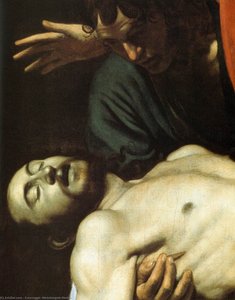
Pietà
Dimensiune reproducere
In the hallowed stillness of the Musée du Louvre, there exists a canvas that does more than merely depict a biblical event; it captures the very essence of human grief. Charles Le Brun’s Pietà, painted in 1643, is a monumental achievement of the Baroque era, serving as a profound meditation on sorrow, faith, and the weight of mortality. Originally commissioned for the Sainte-Chapelle in Paris—a sanctuary dedicated to the relics of Christ—this oil on canvas was designed to evoke spiritual contemplation through its sheer emotional gravity. As viewers encounter the work, they are not just observing a scene from the Passion; they are invited into a sacred space where the boundaries between the divine and the human dissolve.
The painting centers on the poignant aftermath of the crucifixion, presenting the Virgin Mary cradling the lifeless form of her son. Le Brun masterfully employs a pyramidal composition, a technique that provides a sense of structural stability to an otherwise turbulent emotional scene. This geometric arrangement directs the eye upward, guiding the observer from the heavy, slumped weight of Christ’s body toward the serene yet heartbroken countenance of Mary. The interplay of light and shadow, known as chiaroscuro, is utilized with breathtaking precision. A singular, dramatic light source illuminates the central figures against a dark, indistinct background, stripping away all worldly distractions to focus the soul entirely on the tragedy unfolding within the frame.
To understand the Pietà is to understand the hand of Charles Le Brun, a titan of French art who shaped the aesthetic standards of the age. His technique reflects the rigorous training he received under masters like Simon Vouet and his transformative years in Rome alongside Nicolas Poussin. In this work, Le Brun achieves a perfect balance between dramatic realism and idealized beauty. The texture of the painting is remarkably rich; one can almost feel the heavy, flowing drapery of Mary’s robes as they cascade around the figures, adding a sense of dynamic movement to the stillness of death. His brushwork captures the subtle nuances of skin, the limpness of muscle, and the intricate folds of fabric, all rendered with an exacting detail that speaks to his mastery of the medium.
Beyond its technical brilliance, the artwork serves as a profound symbolic vessel. The scene is steeped in Christian iconography, representing the ultimate sacrifice and the enduring devotion of the faithful. The presence of figures like Joseph of Arimathea and Mary Magdalene adds layers of communal mourning, yet the focus remains on the intimate bond between mother and son. For the collector or the lover of fine art, this piece offers more than just visual splendor; it provides a window into the 17th-century French soul. It is an ideal centerpiece for those seeking to infuse a space with historical depth, intellectual rigor, and a sense of timeless, quiet majesty.

Charles Le Brun, a name synonymous with the grandeur of 17th-century France, was born in Paris on February 24, 1619, into a family deeply rooted in the world of art. His father, Nicolas Le Brun, was a respected sculptor, and his mother, Julienne Lebé, possessed connections within the royal court. From a remarkably young age, Charles demonstrated an extraordinary aptitude for artistic expression, revealing a talent that quickly surpassed the expectations of his upbringing. At just eleven years old, he entered the prestigious studio of Simon Vouet, a prominent painter known for his elegant and atmospheric style, under the patronage of Chancellor Pierre Séguier – a pivotal moment that set him on a path to becoming one of France’s most celebrated artists.
Le Brun's early training wasn't solely confined to Vouet’s studio. He diligently studied with François Perrier, absorbing techniques and gaining insights into the classical world through sketches of Roman antiquities. This dual education provided him with a foundation in both contemporary painting styles and the principles of ancient art, shaping his artistic sensibilities from an incredibly young age. It was during this formative period that he began to distinguish himself, earning early commissions from Cardinal Richelieu – a remarkable achievement for someone so young, showcasing his burgeoning skill and promising a bright future.
A defining chapter in Le Brun's artistic development unfolded during a four-year sojourn in Rome (1642-1646). This period proved to be transformative, immersing him within the heart of the European art world and exposing him to the masterpieces of the Renaissance. He sought guidance from Nicolas Poussin, a master painter renowned for his classical compositions and masterful use of light and color. Poussin’s influence was profound; Le Brun meticulously studied Raphael's works, absorbing the techniques and philosophies that underpinned the great Italian artist’s success. This experience wasn’t merely an academic exercise; it instilled in him a deep appreciation for the harmony, balance, and intellectual rigor of classical art.
During his Roman years, Le Brun didn’t simply copy existing works. He actively engaged with the artistic traditions of the time, studying ancient Roman sculpture and developing his own unique style – one that skillfully blended the influences of Italian masters with a distinctly French sensibility. This immersion in the vibrant art scene of Rome laid the groundwork for his future achievements as a leading figure in the French Baroque movement.
Upon his return to Paris in 1646, Charles Le Brun swiftly established himself as a prominent artist within the city’s artistic circles. His early style reflected the stylistic influences of Vouet and Poussin, yet he rapidly began to forge his own distinctive voice – one characterized by dramatic compositions, rich colors, and meticulous detail. He quickly gained recognition for his talent, securing commissions from influential patrons and establishing himself as a sought-after artist.
Le Brun’s artistic evolution involved moving away from strict adherence to classical models towards a more dynamic and expressive Baroque style. This shift was evident in his increasingly dramatic compositions, vibrant color palettes, and meticulous attention to detail. He became renowned for his grand historical paintings, captivating portraits, and elaborate decorative work – often commissioned by the powerful figures of the French court.
Le Brun’s career reached its zenith during the reign of Louis XIV, who recognized his exceptional talent and appointed him First Painter to the King in 1664. This prestigious position granted him immense influence over French art, effectively making him the arbiter of artistic production within the kingdom. He played a crucial role in shaping the visual language of the court and overseeing countless artistic projects.
His most significant contribution was undoubtedly his involvement in decorating the Palace of Versailles – a project that consumed decades of his life and cemented his legacy as one of France’s greatest artists. He oversaw the creation of iconic spaces such as the Ambassadors’ Staircase, the Hall of Mirrors, and the Peace and War Rooms, each reflecting the grandeur and power of Louis XIV. These projects weren't merely decorative; they were carefully orchestrated statements about the king’s authority and the glory of France.
Beyond Versailles, Le Brun continued to receive commissions from the royal court, designing tapestries, furniture, and other luxurious objects that adorned the palaces and residences of the French elite. His versatility as an artist – encompassing painting, sculpture, architecture, and design – made him a highly valued asset to Louis XIV’s court.
Charles Le Brun's impact on French art is immeasurable. He not only produced a vast body of exceptional works but also played a pivotal role in establishing the standards of artistic excellence within the kingdom. His influence extended beyond his individual creations, shaping the course of French art for generations to come.
As a theorist and educator, Le Brun profoundly influenced the training of young artists, advocating for a system based on observation, imitation, and intellectual engagement with classical principles. His writings – particularly his illustrated treatise *Méthode pour apprendre à dessiner les passions* – became essential texts in art academies throughout Europe, shaping artistic education for centuries.
Le Brun’s legacy endures as a symbol of the height of French Baroque artistry and a testament to the power of patronage. His work continues to inspire artists and captivate audiences today, solidifying his place as one of the most important figures in the history of art.

1619 - 1690 , Franța

Explore the profound elegance of Baroque Classicism. Discover how 17th-century masters synthesized dramatic emotion with classical order through the lens of the Counter-Reformation and the works of legends like Carlo Maratta and Andrea Sacchi.

Explore the dramatic power of Baroque art through an expert guide to light, shadow, and emotion. Discover how the Counter-Reformation shaped 17th-century masterpieces and learn about the profound techniques used by the Old Masters to inspire awe.

Explore the dramatic world of Baroque portraiture. Discover how masters used chiaroscuro and light to evoke profound emotion during the Counter-Reformation. A definitive guide for art enthusiasts seeking to understand the power of 17th-century masterpieces.

Explore the dramatic world of Italian Baroque art. Discover how masters like Caravaggio used chiaroscuro and tenebrism to revolutionize painting through light, shadow, and profound realism. A definitive guide for history lovers and art collectors.

Explore the dramatic evolution from Mannerist distortion to Baroque grandeur. Discover how light, shadow, and emotion redefined art history through a masterclass in technical mastery and religious fervor.


Rămâneți la curent cu cele mai recente știri din lumea artei, ofertele noastre exclusive și ideile de decor.
Spuneți-ne despre proiectul dumneavoastră, iar experții noștri în artă vă vor oferi 3 sugestii personalizate.
Vom selecta 3 opțiuni special pentru tine – Gratuit!


 Previzualizare
 Trimite
 Distribuie
 Detalii despre lucrare

 Descarcă
 Produse similare
 Radiografie
 Diapozitive automate
 Vezi mai mult







 Opțiunea cu sticlă este disponibilă doar pentru dimensiuni de sub 110 cm