Vinde opere de artă
Lista de dorințe Coș de cumpărături Cart
PrevizualizarePrevizualizare Previzualizare ARPrevizualizare AR Comandă printul Comandă printulComandă pictură lucrată manual Comandă pictură lucrată manual TrimiteTrimite
Detalii despre lucrareDetalii despre lucrare Adaugă la favorite Adaugă la favorite DescarcăDescarcă Produse similareProduse similare RadiografieRadiografie Diapozitive automateDiapozitive automate

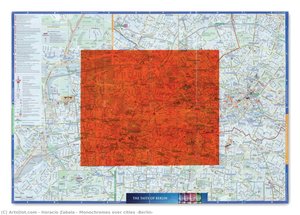
Untitled

  • Data creației2014
  • Dimensiuni700.0 x 80.0 cm

Explore the minimalist abstract art of Choi Byungso (1943-2020), a celebrated Korean artist known for his elegant pencil works & profound simplicity.

Achiziționați o imagine digitală de înaltă rezoluție, îmbunătățită, mult superioară previzualizării online.

Fiecare fișier este pregătit cu meticulozitate de specialiștii noștri interni, utilizând instrumente avansate și retușare manuală expertă. Ne asigurăm că fiecare imagine beneficiază de o claritate excepțională, o acuratețe precisă a culorilor și detalii fine.

Fișierul final este livrat prin e-mail în termen de 72 de ore, optimizat pentru utilizare imediată în medii profesionale, editoriale și de imprimare. Aceasta este aceeași calitate în care au încredere studiouri de design, edituri și galerii de top.

Imagine Digitală

Descărcați un fișier la rezoluție înaltă pentru afișare personală, imprimare și proiecte creative. (Comandă printul Comandă printulComandă pictură lucrată manual Comandă pictură lucrată manual)

Preț total

$ 24,90

Inclus în fiecare comandă de imagini digitale

Livrare digitală de expertiză, garantată

Când alegeți Most-Famous-Paintings.com, nu primiți doar o simplă imagine – primiți o operă de artă digitală îmbunătățită profesional, creată cu precizie și susținută de o garanție de satisfacție. Iată tot ceea ce primești odată cu comanda ta, în mod automat:

shipping_icon
Livrare rapidă prin e-mail

Fișierul imaginii digitale la rezoluție înaltă vă va fi trimis prin e-mail în termen de 72 de ore de la finalizarea comenzii – gata pentru utilizare imediată.

canvas_icon
Fișier digital optimizat prin IA

Opera ta de artă este optimizată profesional prin intermediul unor instrumente AI avansate și al editării manuale, asigurând un nivel maxim de detalii, claritate și acuratețe a culorilor.

insurance_icon
Retransmitere gratuită pe viață

Ai șters sau ai pierdut din greșeală fișierul? Nu îți face griji – ți-l vom retrimite oricând, gratuit.

tax_icon
Fără taxe de import – Întotdeauna

Bucură-te instant de noua ta operă de artă, fără taxe vamale, taxe de import sau costuri de livrare – descărcările digitale sunt întotdeauna fără taxe.

color_icon
Garanția acurateții culorilor

Asigurăm o reflectare cât mai fidelă a culorilor originale în imaginea ta digitală, prin utilizarea unor instrumente profesionale și a proceselor de gestionare a culorii.

return_icon
Garanție de satisfacție de 60 de zile

Dacă nu sunteți mulțumit de imaginea digitală achiziționată, o vom revizui sau vă vom returna 100% în termen de 60 de zile – fără nicio explicație necesară.

guarantee_icon
Garanție de returnare 100% a banilor

Nu ești mulțumit? Obține o rambursare completă în termen de 60 de zile de la primirea fișierului tău digital – fără întrebări.

discount_icon
Reduceri pentru comenzi în volum

Cumpără 3 imagini, economisește 10% - Cumpără 5, economisește 15% - Cumpără 10+, economisește 20%. Ideal pentru proiecte creative, galerii și agenții.

Descriere obiect de colecție

In the 1970s, CHOI Byungso repeatedly erased newspapers with pencils and ballpoint pens to show his existence as an injustice of meaning. Instead of canvas and paint, the writer chooses newspaper and ballpoint pen, which are easily seen in daily life, as the main ingredients for his work. After countless repetitions with a ballpoint pen on a newspaper full of type, even the traces of the ballpoint pen are erased with a pencil, leaving a black monochromatic screen. Newspapers are similar, thinned or torn, and eventually turned into shiny black skins. In this way, the writer is absorbed in integrating the newspaper with the ballpoint pen. They are absorbed and brought into contact with each other and broken, and generate heat and burn by friction. Through this process, Choi Byung-seo experiences living things and trains his mind. Newspapers are then reborn as one noble and pure substance.

Biografie artist

A Life Etched in Graphite: The Singular Vision of Choi Byungso

Choi Byungso, born in Seoul, South Korea, in 1943 and passing away in 2020, was an artist whose work resonated with a quiet power—a testament to the enduring human spirit amidst political turbulence and a profound exploration of time’s relentless passage. His life unfolded against a backdrop of immense change; the Korean War cast a long shadow over his childhood, while the authoritarian regimes that followed shaped not only the social landscape but also the very fabric of artistic expression. It was within this context that Choi began to forge a unique path, one defined by an almost monastic dedication to the act of erasure and re-creation on the humble surface of newspaper. He wasn’t merely creating art; he was engaging in a dialogue with history, memory, and the ephemeral nature of existence itself.

The Birth of a Practice: Resistance, Ritual, and the Newspaper Page

In the 1970s, as South Korea grappled with strict government control over information, Choi Byungso embarked on a practice that was both deeply personal and subtly subversive. He began systematically covering newspaper pages—a readily available medium saturated with often-distorted narratives—with layers of ballpoint pen ink, followed by countless strokes of pencil. This wasn’t simply about obliterating content; it was an act of resistance against the manipulation of truth, a reclaiming of space from imposed ideologies. The repetitive nature of this process transformed the mundane into ritual, each stroke a visible manifestation of discipline and a quiet defiance. As he himself noted, his work reflected “an attitude of returning to a pre-civilization era by eliminating text and images.” The resulting surfaces—charred black planes bearing the ghostly imprint of former headlines—became potent symbols of loss, memory, and the weight of history. The act itself became paramount; the newspaper wasn’t merely a support but an active participant in the creation, its inherent fragility mirroring the impermanence of information and the fleeting nature of time.

Beyond Dansaekhwa: A Unique Voice in Korean Minimalism

While Choi Byungso's monochromatic palette and emphasis on materiality often drew comparisons to the *Dansaekhwa* movement—the Korean monochrome painting tradition that emerged in the 1970s—his work occupies a distinctive space within the broader landscape of contemporary art. Like his *Dansaekhwa* contemporaries, such as Park Seo-Bo and Ha Chong-Hyun, he explored the physicality of materials and sought to transcend representational forms. However, Choi’s practice diverged in its specific methodology and conceptual underpinnings. He wasn't solely focused on exploring the inherent qualities of paint or canvas; his engagement with newspaper introduced a layer of social commentary and historical consciousness absent in much of *Dansaekhwa*. Early works, including installations featuring iron cores and decaying fish, further demonstrated his willingness to experiment beyond traditional boundaries, challenging conventional notions of artistic expression. He participated in pivotal early contemporary art festivals like the Daegu Contemporary Art Festival in 1974, solidifying his role as a pioneer of avant-garde exploration in Korea.

Simplicity and Elegance: The Enduring Legacy

Choi Byungso’s work is characterized by its remarkable simplicity—a deceptive quality that belies the profound depth of its conceptual underpinnings. His elegant pencil works, often devoid of overt symbolism or narrative content, invite contemplation on fundamental themes of time, memory, and existence. The relentless repetition of his process creates surfaces that are both visually arresting and deeply meditative. The subtle variations in texture and tone—the delicate interplay of graphite and ink—reveal the artist’s unwavering dedication to his craft. Exhibitions at galleries like Arario Gallery showcased decades of his work, from early experiments with iron and organic materials to the refined pencil drawings that defined his later career. His influence extends beyond the visual realm; he championed a spirit of innovation and transformation during a period of social and political upheaval, inspiring generations of artists to challenge conventions and explore new modes of expression. His legacy lies not only in the striking beauty of his artworks but also in the enduring power of his quiet resistance—a testament to the transformative potential of art in the face of adversity.

A Profound Simplicity: Continuing Dialogue

Choi Byungso’s passing in 2020 marked the end of an era, yet his work continues to resonate with audiences worldwide. His exploration of materiality, repetition, and the ephemeral nature of existence remains profoundly relevant in a world saturated with information and increasingly defined by impermanence. His art is not about finding answers; it’s about asking questions—about history, memory, and the very essence of being. The simple act of erasing and re-creating on the surface of newspaper becomes a metaphor for our own attempts to make sense of the world around us, to find meaning in chaos, and to leave our mark on the relentless flow of time. His works stand as quiet monuments to the power of individual expression and the enduring human spirit.
choi byungso

choi byungso

1943 - 2020 , South Korea

Detalii rapide

  • Artistic Movement Or Style: Abstract Minimalism
  • Date Of Birth: 1943
  • Date Of Death: 2020
  • Full Name: Choi Byungso
  • Nationality: South Korean
  • Place Of Birth: Seoul, South Korea