x

 Acrylic On CanvasWallArtSurrealist Homage
 1962
1962 267.0 x 302.0 cm
 Muzeul Metropolitan de Artă
Pictură în ulei pe pânză, realizată manual de artiștii noștri la dimensiunea și ramele dorite de dumneavoastră, pe comandă. ( Comandă printul Cumpără imaginea)





























Alegeți dintre dimensiunile noastre prestabilite, care respectă proporțiile originale ale operei de artă.

Puteți introduce propriile dimensiuni pentru a se potrivi unui anumit cadru sau spațiu. Dacă dimensiunea selectată nu corespunde proporțiilor imaginii originale, vom decupa opera de artă sau vom extinde pictura cu elemente suplimentare pictate manual. O simulare digitală vă va fi trimisă pentru aprobare înainte de începerea producției.
Vă rugăm să rețineți că previzualizarea de pe ecran nu reflectă decuparea sau extinderea reală. Doar macheta va arăta cu exactitate compoziția finală.
Deși sunt disponibile dimensiuni personalizate, vă recomandăm să selectați o dimensiune din lista predefinită pentru a păstra proporțiile originale.
Livrare în întreaga lume () în 3-4 săptămâni, în loc de cele 5 săptămâni standard. (14 August). Fără compromisuri în ceea ce privește calitatea.


Dutch Interior
Dimensiune reproducere
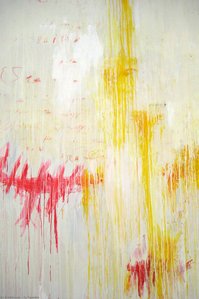
Cy Twombly's 1962 painting, *Dutch Interior*, isn’t merely a depiction of a room; it’s an immersive experience, a layered meditation on the act of creation itself. Emerging from a spacious studio in central Rome—a space that liberated him from the constraints of smaller formats—Twombly embarked on a work that immediately challenged conventional notions of representation. The painting’s genesis is inextricably linked to this new environment; it feels less like a finished product and more like an ongoing, almost frantic, dialogue with the ancient walls of the Eternal City – a conversation etched in layers of graphite, wax crayon, and oil paint.
The title itself—a deliberate homage to the Dutch Golden Age—immediately establishes a historical framework. Twombly wasn’t simply replicating a scene; he was engaging with the spirit of seventeenth-century Dutch interior paintings, those meticulously rendered depictions of domestic life that captured a specific cultural sensibility. However, this engagement is far from straightforward imitation. Instead, it's a complex negotiation, a playful subversion of established conventions. The painting becomes a palimpsest—a layered text where the echoes of Vermeer and Rembrandt mingle with Twombly’s own unique visual language.
What immediately strikes the viewer is the apparent chaos – the accumulation of seemingly disparate marks. Scribbles, smears, hastily scrawled numbers, and biomorphic forms coalesce on the canvas, creating a surface that resists easy interpretation. This isn’t the product of a single, deliberate act; rather, it suggests multiple hands at work, a collective energy channeled through Twombly's brush. The technique is deliberately raw and unrefined – a rejection of polished surfaces in favor of an immediate, visceral impact.
Twombly’s masterful use of media further complicates the narrative. Pencil provides a skeletal framework, wax crayon introduces a tactile warmth, and oil paint adds depth and luminosity. The layering is crucial; each medium interacts with the others, creating subtle shifts in texture and tone. The artist frequently incorporated his own physical presence into the work – fingerprints, smudges, even what appear to be handprints—transforming the canvas into a record of his creative process, a tangible manifestation of his engagement with the artwork.
Beyond the purely visual, *Dutch Interior* is rich in symbolic resonance. The inclusion of clocks, chairs, and vases—familiar objects from a domestic setting—only serves to heighten the sense of unease and disorientation. These elements are not rendered with precision or detail; instead, they’re fragmented, distorted, and imbued with an unsettling ambiguity. The numbers scrawled across the canvas – often in a vertical arrangement – add another layer of complexity, hinting at both order and chaos.
Furthermore, Twombly's frequent references to his own body—the fingerprints, handprints—suggest a profound sense of self-awareness. The painting becomes a meditation on identity, on the act of representation, and on the elusive nature of the creative process. It’s as if Twombly is grappling with his own presence within the artwork, attempting to capture not just an image but also the very essence of his being.
Ultimately, *Dutch Interior* resists easy categorization or definitive interpretation. It’s a painting that demands engagement, inviting viewers to lose themselves in its layers of complexity and ambiguity. The work possesses a haunting beauty—a sense of melancholy and introspection—that lingers long after the initial viewing. It's a testament to Twombly's ability to create art that is both deeply personal and universally resonant, a powerful reminder of the enduring mysteries of human experience.


1928 - 2011 , Statele Unite ale Americii

Explore the dramatic mastery of the Dutch Baroque era. Discover how masters like Rembrandt used chiaroscuro to transform everyday life into timeless art. An expert guide for collectors and enthusiasts seeking to understand the profound interplay of light and shadow.
Explore the profound emotional depth of Lyrical Abstraction. Discover how masters like Raymond Parker used color and form to bridge Impressionism and Abstract Expressionism. Learn about this pivotal movement through our expert-led art history guide.

Discover the profound emotional depth and investment potential of contemporary abstraction. Our expert guide explores how texture, movement, and form create timeless value for discerning art collectors and sophisticated interiors.

Explore the profound emotional depth of Color Field painting. Discover the history of mid-century abstraction, from Rothko to Newman, and learn how pure color transforms the viewer's experience through our expert art history guide.


Rămâneți la curent cu cele mai recente știri din lumea artei, ofertele noastre exclusive și ideile de decor.
Spuneți-ne despre proiectul dumneavoastră, iar experții noștri în artă vă vor oferi 3 sugestii personalizate.
Vom selecta 3 opțiuni special pentru tine – Gratuit!


 Previzualizare
 Trimite
 Distribuie
 Detalii despre lucrare

 Descarcă
 Produse similare
 Radiografie
 Diapozitive automate
 Vezi mai mult







 Opțiunea cu sticlă este disponibilă doar pentru dimensiuni de sub 110 cm