


x


 Oil On CanvasWallArtVorticism
 Modern
 152.0 x 224.0 cm
 Tate Britain
Pictură în ulei pe pânză, pictată manual, la dimensiunea și ramele dorite de dumneavoastră, realizată la comandă de artiștii noștri. ( Comandă versiunea tipărită Comută pe imagine)





























Alegeți dintre dimensiunile noastre prestabilite, care respectă proporțiile originale ale operei de artă.

Puteți introduce propriile dimensiuni pentru a se potrivi unui anumit cadru sau spațiu. Dacă dimensiunea selectată nu corespunde proporțiilor imaginii originale, vom decupa opera de artă sau vom extinde pictura cu elemente suplimentare pictate manual. O simulare digitală vă va fi trimisă pentru aprobare înainte de începerea producției.
Vă rugăm să rețineți că previzualizarea de pe ecran nu reflectă decuparea sau extinderea reală. Doar macheta va arăta cu exactitate compoziția finală.
Deși sunt disponibile dimensiuni personalizate, vă recomandăm să selectați o dimensiune din lista predefinită pentru a păstra proporțiile originale.
Livrare în întreaga lume () în 3/4 săptămâni, în loc de cele 5 săptămâni standard. (31 Iulie). Fără compromisuri în ceea ce privește calitatea.


The Mud Bath
Dimensiune reproducere
In the realm of early twentieth-century modernism, few works capture the raw, pulsating energy of the machine age quite like David Bomberg’s The Mud Bath. This Vorticist masterpiece serves as a breathtaking exploration of movement, where the boundaries between form and void dissolve into a rhythmic dance of geometry. At first glance, the viewer is met with a controlled chaos—a complex web of interlocking triangles, rectangles, and irregular polygons that seem to vibrate against a muted, earthy backdrop. The composition is anchored by a central vertical axis, reminiscent of a structural pillar or a primordial tree, which acts as a stabilizer for the swirling, angular fragments that orbit it. It is a painting that does not merely sit upon the canvas but seems to actively construct itself before the eyes of the observer.
The color palette of this work is both disciplined and profoundly impactful, utilizing a limited spectrum to achieve maximum visual tension. A dominant, fiery red provides an intense warmth that surges through the composition, while sharp strikes of cobalt blue offer a cooling contrast, adding much-needed depth to the flattened pictorial plane. These primary tones are punctuated by brilliant whites that highlight the edges of the geometric shards, creating a crisp, staccato rhythm. The background, a soft and understated beige, provides a grounding element that prevents the vibrant shapes from feeling untethered, allowing the structural complexity of the work to remain the focal point.
To understand The Mud Bath, one must look toward the radical artistic movements of the post-war era. Bomberg, a prominent figure among the 'Whitechapel Boys,' was deeply immersed in the avant-garde currents of Cubism and Futurism. This specific piece exemplifies the essence of Vorticism—a movement that sought to find the "vortex" at the heart of modern life, capturing the dynamism and mechanical precision of an industrializing world. Unlike the more fluid abstractions found in other movements, Bomberg’s approach here is architectural and structural; he strips away the superficiality of nature to reveal the underlying skeletal energy of the subject matter.
While the title might suggest a literal depiction of a landscape or a natural process, the painting functions primarily as an exploration of pure form. Any connection to the organic—the suggestion of foliage, water, or earth—is purely symbolic, serving as a ghostly echo of reality beneath the heavy layers of abstraction. For the discerning collector or interior designer, this artwork offers more than just visual interest; it provides a sophisticated focal point that commands attention through its historical weight and structural integrity. A high-quality reproduction of this piece brings with it an aura of intellectual depth and a bold, modern aesthetic that can transform a contemporary space into a gallery of profound artistic significance.

Născut din părinți imigranți polonezi de origine evreică, Abraham și Rebecca Bomberg, artistul a studiat inițial la City and Guilds Technical Art School, înainte de a se specializa ca litograf în Birmingham.
A studiat sub îndrumarea lui Walter Sickert la Westminster School of Art (1908-1910), fiind influențat de accentul pus de Sickert pe formă și pe viața urbană. O expunere semnificativă la opera lui Paul Cézanne a avut loc prin intermediul expoziției din 1910 organizată de Roger Fry, intitulată „Manet and the Post-Impressionists”. A absolvit Slade School of Art (1911), unde a câștigat Premiul Tonks pentru desenul său realizat după colegul de studii, Isaac Rosenberg.
Experiențele trăite ca soldat de rang simplu în timpul Primului Război Mondial i-au impactat profund viziunea artistică, conducându-l spre o îndepărtare de abstractism.
Anii 1920 au marcat adoptarea unui stil mai figurativ de către Bomberg, concentrându-se pe portrete și pe peisaje desprinse direct din natură. Artistul a dezvoltat o tehnică tot mai expresionistă, marcată de un impasto texturat și de o intensitate emoțională profundă.
Călătoriile sale extensive prin Orientul Mijlociu (în special în Palestina) și prin Europa și-au influențat semnificativ opera ulterioară. Reprezentările sale ale Ierusalimului sunt deosebit de remarcabile.

1890 - 1957 , Regatul Unit
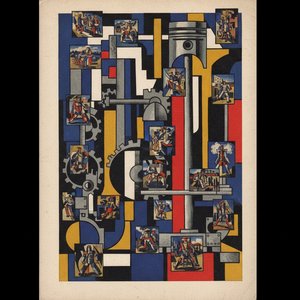
Descoperă cele mai importante 25 de opere ale lui Fernand Léger – pionier al cubismului și tubismului! Explorează istoria, tehnicile și semnificația fiecărei pânze. Reproduceri artă de calitate muzeală pentru un decor modern și sofisticat pe Most-Famous-Paintings.com.
Descoperă cele mai emblematice 25 de opere ale lui Wassily Kandinsky, pionierul artei abstracte! Explorează culorile vibrante, compozițiile unice și istoria fascinantă din spatele fiecărei picturi. Reproduceri de calitate muzeală pe Most-Famous-Paintings.com – inspiră-ți decorul cu artă modernă!

Descoperă top 25 de capodopere din Metropolitan Museum of Art, New York! Explorează poveștile lui Monet, Van Gogh și Rembrandt. Găsește inspirație pentru decorul casei tale cu reproduceri artă de calitate muzeală pe Most-Famous-Paintings.com.

Descoperă cele mai iconice 25 de opere din MoMA, New York! Explorează poveștile lui Van Gogh, Picasso, Warhol și alți maeștri ai impresionismului, cubismului și artei moderne. Găsește inspirație pentru decorul casei tale și tablouri decorative pe Most-Famous-Paintings.com.

Explore the groundbreaking work of David Bomberg, a pivotal figure in British abstraction. Discover his artistic evolution, influences, and lasting legacy through insightful analysis & expert commentary.


Rămâneți la curent cu cele mai recente știri din lumea artei, ofertele noastre exclusive și ideile de decor.
Spuneți-ne despre proiectul dumneavoastră, iar experții noștri în artă vă vor oferi 3 sugestii personalizate.
Vom selecta 3 opțiuni special pentru tine – Gratuit!


 Previzualizare
 Trimite
 Distribuie
 Detalii despre lucrare

 Descarcă
 Similare
 Radiografie
 Diaporama
 Vezi mai mult







 Opțiunea cu sticlă este disponibilă doar pentru dimensiuni de sub 110 cm


