x


 Comandă tipăritul Cumpără imaginea
 Trimite
 Detalii despre lucrare
 Adaugă la favorite
 Descarcă
 Similare
 Radiografie
 Diaporama
 Oil On CanvasWallArtAmerican Impressionism
 1930
1930 72.0 x 107.0 cm
Pictură în ulei pe pânză, pictată manual, la dimensiunea și ramele dorite de dumneavoastră, realizată la comandă de artiștii noștri.





























Alegeți dintre dimensiunile noastre prestabilite, care respectă proporțiile originale ale operei de artă.

Puteți introduce propriile dimensiuni pentru a se potrivi unui anumit cadru sau spațiu. Dacă dimensiunea selectată nu corespunde proporțiilor imaginii originale, vom decupa opera de artă sau vom extinde pictura cu elemente suplimentare pictate manual. O simulare digitală vă va fi trimisă pentru aprobare înainte de începerea producției.
Vă rugăm să rețineți că previzualizarea de pe ecran nu reflectă decuparea sau extinderea reală. Doar macheta va arăta cu exactitate compoziția finală.
Deși sunt disponibile dimensiuni personalizate, vă recomandăm să selectați o dimensiune din lista predefinită pentru a păstra proporțiile originale.
Livrare în întreaga lume () în 3/4 săptămâni, în loc de cele 5 săptămâni standard. (22 Iulie). Fără compromisuri în ceea ce privește calitatea.


Corn Hill
Dimensiune reproducere
Edward Hopper's "Corn Hill," painted in 1930, isn’t merely a depiction of a rural landscape; it’s a poignant meditation on isolation and the quiet dignity of human existence within the vastness of nature. This oil-on-canvas masterpiece, currently residing at the McNay Art Museum in San Antonio, Texas, captures a fleeting moment along the Cape Cod coast, yet resonates with an enduring sense of melancholy that has captivated viewers for decades. Hopper, a master of American Realism, skillfully employs light and shadow to evoke not just a scene, but a feeling—a subtle yearning for connection amidst a world often defined by solitude.
The painting’s composition is deceptively simple. A cluster of modest houses, rendered with Hopper's signature precision and restraint, nestles upon the crest of a rolling dune. The perspective isn’t aggressively linear; instead, it’s subtly flattened, creating an almost dreamlike quality. This deliberate avoidance of strict realism contributes to the painting’s emotional impact, suggesting a world viewed through a contemplative lens. Hopper's masterful use of light is particularly noteworthy. A diffused sunlight streams down upon the houses and the surrounding landscape, casting long shadows that emphasize their isolation. The color palette—primarily ochre, yellow, and muted blues—is restrained yet evocative, lending a sense of quiet dignity to the scene. Notice how he uses variations in tone to create depth and texture, from the smooth expanse of the dunes to the rougher contours of the buildings.
“Corn Hill” is rich with symbolic meaning. The isolated houses represent not just dwellings but also the human need for connection—a desire that often goes unfulfilled in a modern world. The vastness of the dune field underscores this sense of isolation, suggesting a vulnerability against the power of nature. The painting’s title itself, “Corn Hill,” subtly references the historical significance of the site – the location where Pilgrims stole corn from the Nauset tribe, highlighting themes of survival and adaptation. Hopper's inclusion of these details invites viewers to contemplate the relationship between humanity and its environment, as well as the enduring legacy of past events.
“Corn Hill” is a quintessential example of Edward Hopper's artistic vision. Painted during a period of significant social and economic change in America, it reflects the growing sense of alienation and uncertainty that characterized the era. Hopper’s work resonated deeply with audiences because it captured the quiet realities of everyday life—the loneliness, the unspoken desires, and the subtle beauty found within the mundane. His paintings continue to be studied and admired for their ability to evoke powerful emotions through deceptively simple compositions and masterful use of light and color. “Corn Hill” stands as a testament to Hopper’s enduring legacy as one of America's most important artists, offering a timeless reflection on the human condition.


1931 - 1967 , Statele Unite ale Americii

Explore the rich history of rural landscape painting with Most-Famous-Paintings. Discover Impressionist masterpieces, key artists & movements. Find your perfect serene artwork and bring nature's beauty home.

Explore the rich history of pastoral landscape art, from classical Arcadia to Impressionism & beyond. Discover key artists, movements, and how to collect serene rural scenes for your home. Expert insights at Most-Famous-Paintings.

Explore the rich history of rural life in painting! Discover Impressionist masterpieces, Italian Macchiaioli scenes & the enduring appeal of pastoral landscapes. Find your perfect artwork at Most-Famous-Paintings.

Explore the life & art of Edward Seago, a celebrated British Impressionist painter known for evocative landscapes & seascapes. Discover his captivating works and find high-quality reproductions at Most-Famous-Paintings.
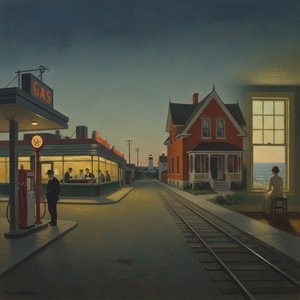
Descoperă cele mai iconice 25 de picturi Edward Hopper! Explorează realismul american, atmosfera unică și poveștile din spatele capodoperelor sale. Reproduceri tablouri de calitate muzeală & inspirație pentru decor interior pe Most-Famous-Paintings.com.


Rămâneți la curent cu cele mai recente știri din lumea artei, ofertele noastre exclusive și ideile de decor.
Spuneți-ne despre proiectul dumneavoastră, iar experții noștri în artă vă vor oferi 3 sugestii personalizate.
Vom selecta 3 opțiuni special pentru tine – Gratuit!


 Distribuie

 Vezi mai mult







 Opțiunea cu sticlă este disponibilă doar pentru dimensiuni de sub 110 cm