x
Printuri giclée sau pe canvas de calitate muzeală, cu proces de producție rapid și opțiuni flexibile de finisare. ( Comandă pictură lucrată manual Cumpără imaginea)





























Alegeți dintre dimensiunile noastre prestabilite, care respectă proporțiile originale ale operei de artă.

Puteți introduce propriile dimensiuni pentru a se potrivi unui anumit cadru sau spațiu. Dacă dimensiunea selectată nu corespunde proporțiilor imaginii originale, vom decupa lucrarea de artă sau vom extinde imaginea cu margini oglindite sau cu o culoare uniformă. Un mockup digital va fi trimis pentru aprobarea dumneavoastră înainte de începerea producției.
Vă rugăm să rețineți că previzualizarea de pe ecran nu reflectă decuparea sau extinderea reală. Doar mockup-ul va arăta cu exactitate compoziția finală.
Deși dimensiunile personalizate sunt disponibile, vă recomandăm să selectați o dimensiune din lista predefinită pentru a păstra proporțiile originale.
Livrare în întreaga lume () în 2 săptămâni, în loc de cele 4/5 săptămâni standard. (19 August)


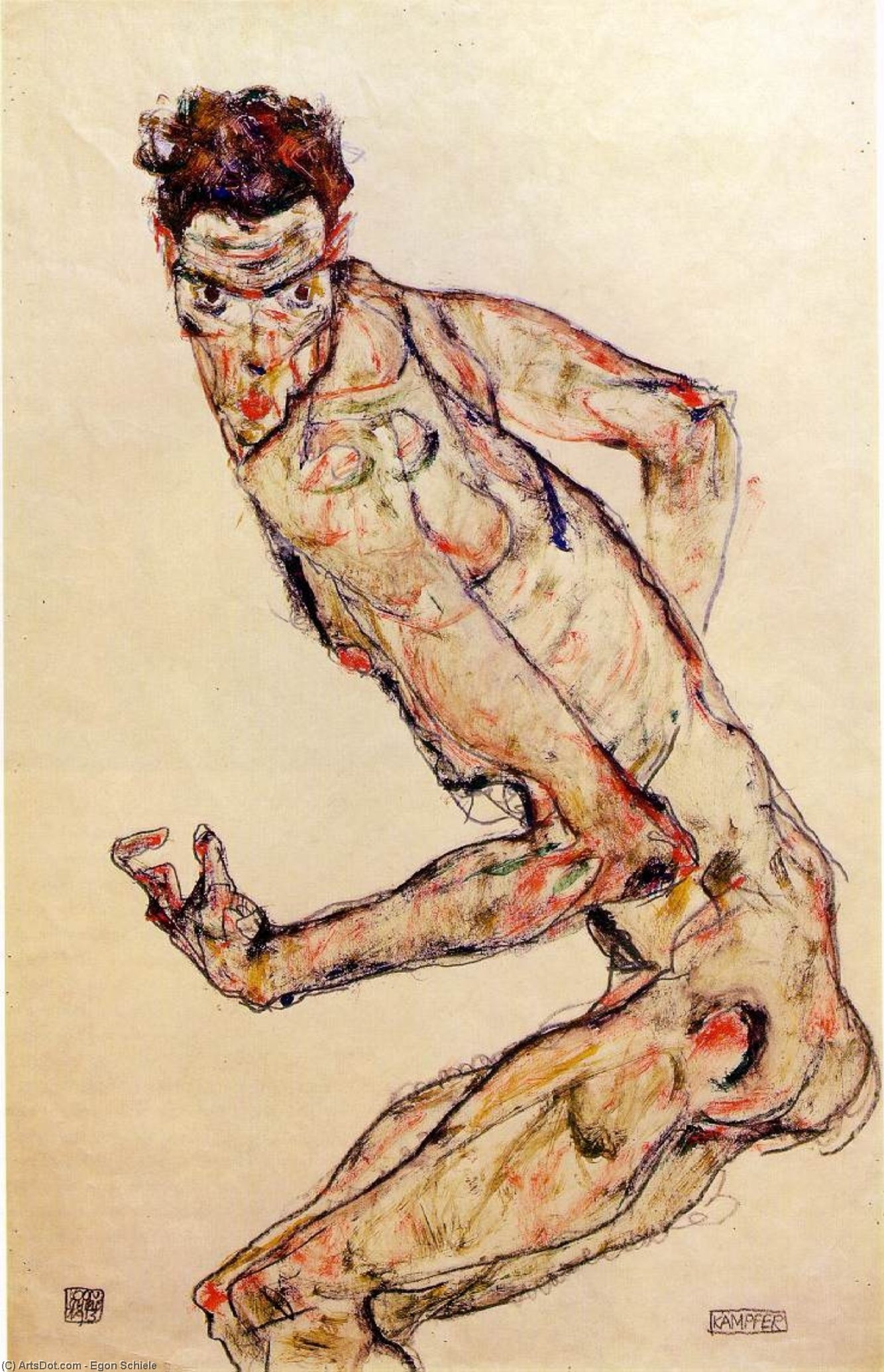
fighter 1913
Dimensiune reproducere
Egon Schiele's "Fighter," painted in 1913, is not merely a depiction of physical action; it’s a visceral embodiment of anxiety, struggle, and the precariousness of existence – hallmarks of the artist’s intensely personal brand of Expressionism. This arresting image, rendered with his signature agitated lines and unsettlingly direct gaze, offers a profound glimpse into the psychological landscape of a man on the brink, grappling with forces both internal and external. The painting's power lies not in idealized beauty or heroic grandeur, but in its brutally honest portrayal of human vulnerability.
The subject, a nude male figure caught mid-thrust, dominates the composition. His body is contorted, muscles straining, his face etched with a fierce determination that borders on desperation. The lines of his torso and limbs are sharp, almost violent, conveying a sense of raw energy and suppressed rage. Notice how Schiele eschews smooth transitions; every stroke feels deliberate, imbued with an urgency that mirrors the subject’s own internal turmoil. He doesn't shy away from depicting the physicality of the moment – the clenched fist, the exposed skin, the sweat glistening on his brow—creating a deeply affecting and immediate experience for the viewer.
While the central figure commands attention, Schiele masterfully employs a carefully orchestrated interplay of figures and setting to amplify the painting’s emotional resonance. A shadowy form lurks in the upper left corner, partially obscured yet undeniably present – perhaps representing an unseen opponent or a looming threat. At the bottom right, another individual observes the action, their posture suggesting both curiosity and apprehension. These secondary figures aren't mere background elements; they contribute to the sense of unease and heighten the feeling that this struggle is not isolated but part of a larger, more complex drama.
The inclusion of the simple cup on the left side of the scene adds another layer of intrigue. It’s an unexpected detail, seemingly out of place, yet it subtly anchors the composition and invites speculation. Is it a gesture of offering? A symbol of sustenance in times of hardship? Or simply a reminder of the mundane amidst the intensity of the moment? Schiele's deliberate ambiguity encourages viewers to actively engage with the painting, projecting their own interpretations onto its enigmatic elements.
“Fighter” was created during a turbulent period in Schiele’s life. Following his father’s death from syphilis in 1908, a trauma that profoundly shaped his artistic vision, the artist faced increasing personal hardship and societal disapproval. His work became increasingly preoccupied with themes of mortality, sexuality, and psychological distress – subjects often deemed scandalous at the time. This painting exemplifies these concerns, reflecting Schiele's exploration of the darker aspects of human experience.
Schiele’s style—characterized by elongated figures, distorted perspectives, and a deliberate use of line to convey emotion—is deeply rooted in Expressionism, an artistic movement that sought to capture subjective feelings rather than objective reality. He shared affinities with artists like Gustav Klimt, though Schiele forged his own distinctive path, pushing the boundaries of representation and delving into realms of psychological intensity rarely explored by his contemporaries. The painting’s raw emotion and unflinching honesty are hallmarks of this approach.
Beyond its technical brilliance, “Fighter” resonates with a profound emotional depth. The figure's strained expression, the contorted posture, and the palpable sense of struggle evoke feelings of anxiety, vulnerability, and perhaps even despair. Schiele doesn’t offer easy answers or comforting resolutions; instead, he presents us with a raw and unflinching depiction of human suffering—a testament to the artist’s ability to capture the complexities of the human psyche. The painting's enduring power lies in its capacity to provoke introspection and remind us of our own shared vulnerability in the face of life’s challenges.
Most-Famous-Paintings offers meticulously crafted, hand-painted reproductions of “Fighter,” allowing you to experience Schiele’s masterpiece in stunning detail and quality. Each reproduction is created by skilled artists using traditional techniques, ensuring an authentic representation of this iconic work of art. Explore our collection today and bring the intensity of Schiele's vision into your home or office.

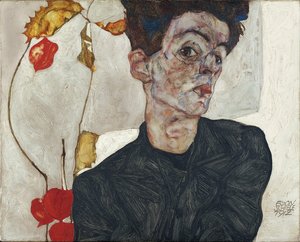
1890 - 1918 , Austria

Explore the profound history of Surrealist Expressionism. Discover how artists blended dream logic with raw emotion to navigate post-war trauma through masterful, evocative imagery and psychological depth.

Explore the profound history of Expressionism. From Edvard Munch to Jackson Pollock, discover how artists used distortion and color to convey raw emotion. A definitive guide for art lovers seeking deep historical context and mastery in fine art reproductions.

Explore the profound emotional depth of Expressionist portraiture. From Edvard Munch to Francis Bacon, discover how masters used distortion and color to reveal inner truths. Learn about this pivotal movement and find museum-quality oil reproductions for your collection.
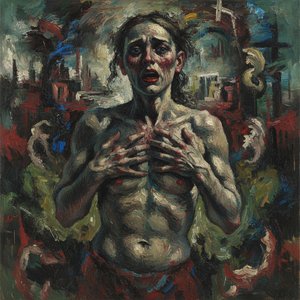
Explore the profound depth of Figurative Expressionism. From Edvard Munch to William H. Johnson, learn how masters use the human form to capture raw emotion through color and distortion in this expert art history guide.

Explore the raw emotion and visceral power of Neo-Expressionism. From Basquiat's urban energy to the rejection of Minimalism, discover the history behind this transformative movement through our expert art guides and museum-quality reproductions.


Rămâneți la curent cu cele mai recente știri din lumea artei, ofertele noastre exclusive și ideile de decor.
Spuneți-ne despre proiectul dumneavoastră, iar experții noștri în artă vă vor oferi 3 sugestii personalizate.
Vom selecta 3 opțiuni special pentru tine – Gratuit!


 Previzualizare
 Trimite
 Distribuie
 Detalii despre lucrare

 Descarcă
 Produse similare
 Radiografie
 Diapozitive automate
 Vezi mai mult







 Opțiunea cu sticlă este disponibilă doar pentru dimensiuni de sub 110 cm