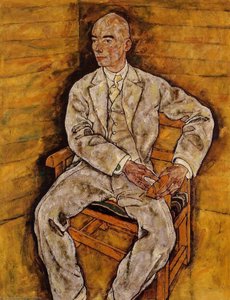
x

Pictură în ulei pe pânză, realizată manual de artiștii noștri la dimensiunea și ramele dorite de dumneavoastră, pe comandă. ( Comandă printul Cumpără imaginea)





























Alegeți dintre dimensiunile noastre prestabilite, care respectă proporțiile originale ale operei de artă.

Puteți introduce propriile dimensiuni pentru a se potrivi unui anumit cadru sau spațiu. Dacă dimensiunea selectată nu corespunde proporțiilor imaginii originale, vom decupa opera de artă sau vom extinde pictura cu elemente suplimentare pictate manual. O simulare digitală vă va fi trimisă pentru aprobare înainte de începerea producției.
Vă rugăm să rețineți că previzualizarea de pe ecran nu reflectă decuparea sau extinderea reală. Doar macheta va arăta cu exactitate compoziția finală.
Deși sunt disponibile dimensiuni personalizate, vă recomandăm să selectați o dimensiune din lista predefinită pentru a păstra proporțiile originale.
Livrare în întreaga lume () în 3-4 săptămâni, în loc de cele 5 săptămâni standard. (14 August). Fără compromisuri în ceea ce privește calitatea.


Fighter
Dimensiune reproducere
Egon Schiele’s “Fighter,” painted in 1913, is not merely a depiction of a man throwing a punch; it’s a visceral exploration of the human condition rendered with the unflinching intensity characteristic of Schiele's expressionist style. This work, created during a period of immense personal and artistic turmoil for the artist, embodies his fascination with vulnerability, mortality, and the struggle for control – themes that would become central to his oeuvre. The painting’s power resides in its brutal honesty, a quality amplified by Schiele’s signature technique: bold, gestural brushstrokes applied with a furious energy that seems to vibrate off the canvas. The distorted musculature of the figure, the strained posture, and the almost violent extension of the arm all contribute to an overwhelming sense of impending impact, capturing a moment suspended between preparation and release.
Schiele's approach to depicting the human form was revolutionary for his time. Rejecting the idealized representations favored by many of his contemporaries, he embraced a deliberately unsettling realism, often exaggerating anatomical features to heighten emotional effect. In “Fighter,” this is evident in the elongated limbs and the almost skeletal quality of the figure’s body. The use of muted earth tones – browns, ochres, and greys – further emphasizes the painting's somber mood, creating a sense of claustrophobia and impending doom. His technique involved layering thin washes of paint, building up texture through repeated applications of brushstrokes, resulting in a surface that is both rough and intensely expressive. This deliberate roughness mirrors the emotional intensity he sought to convey.
"Fighter" was created at a pivotal moment in European history – 1913, a year marked by rising political tensions and anxieties surrounding World War I. Schiele’s personal life mirrored this instability; plagued by illness, loss, and the looming threat of conflict, he channeled his fears and uncertainties into his art. The painting can be interpreted as a reflection of these broader societal concerns – a visual representation of the fragility of human existence in the face of overwhelming forces. Schiele's work aligns with the Expressionist movement’s rejection of objective reality in favor of subjective emotional experience, anticipating many of the key tenets that would define the movement.
The inclusion of the cup held by the figure adds another layer of complexity to the painting's symbolism. It could represent a fleeting moment of solace or perhaps an attempt to control the chaos within, mirroring the inherent human desire for order amidst turmoil. The act of throwing the punch itself is not simply a physical gesture; it’s a symbolic confrontation with one's own demons, a desperate assertion of agency in a world that increasingly felt beyond one's control. The overall effect is profoundly unsettling and deeply moving, inviting viewers to confront uncomfortable truths about human nature.

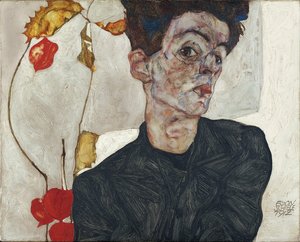
1890 - 1918 , Austria

Explore the profound history and technical mastery of woodcut relief printing. From ancient origins to German Expressionism, discover how artists use the subtractive process to create iconic works. A definitive guide for art students, collectors, and historians.

Discover the technical mastery behind Most-Famous-Paintings.com's premium Giclée canvas prints. Our guide for elite collectors explores archival pigment inks, museum-grade substrates, and the science of high-fidelity reproduction to ensure lasting beauty and historical accuracy.

Explore the profound emotional depth of Expressionist portraiture. From Edvard Munch to Francis Bacon, discover how masters used distortion and color to reveal inner truths. Learn about this pivotal movement and find museum-quality oil reproductions for your collection.

Discover the science behind museum-quality Giclée prints. Learn how archival pigment inks, 12-color precision, and museum-grade substrates create high-fidelity art reproductions designed to preserve the soul of historical masterpieces for generations.


Rămâneți la curent cu cele mai recente știri din lumea artei, ofertele noastre exclusive și ideile de decor.
Spuneți-ne despre proiectul dumneavoastră, iar experții noștri în artă vă vor oferi 3 sugestii personalizate.
Vom selecta 3 opțiuni special pentru tine – Gratuit!


 Previzualizare
 Trimite
 Distribuie
 Detalii despre lucrare

 Descarcă
 Produse similare
 Radiografie
 Diapozitive automate

 Vezi mai mult







 Opțiunea cu sticlă este disponibilă doar pentru dimensiuni de sub 110 cm