


x

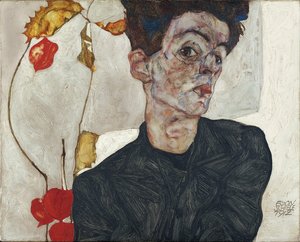
 Acrylic On CanvasWallArtExpressionism
 1916
1916 34.0 x 27.0 cm
Achiziționați o imagine digitală de înaltă rezoluție, îmbunătățită, mult superioară previzualizării online.
Fiecare fișier este pregătit cu meticulozitate de specialiștii noștri interni, utilizând instrumente avansate și retușare manuală expertă. Ne asigurăm că fiecare imagine beneficiază de o claritate excepțională, o acuratețe precisă a culorilor și detalii fine.
Fișierul final este livrat prin e-mail în termen de 72 de ore, optimizat pentru utilizare imediată în medii profesionale, editoriale și de imprimare. Aceasta este aceeași calitate în care au încredere studiouri de design, edituri și galerii de top.
Descărcați un fișier la rezoluție înaltă pentru afișare personală, imprimare și proiecte creative. ( Comandă printul Comandă pictură lucrată manual)
Când alegeți Most-Famous-Paintings.com, nu primiți doar o simplă imagine – primiți o operă de artă digitală îmbunătățită profesional, creată cu precizie și susținută de o garanție de satisfacție. Iată tot ceea ce primești odată cu comanda ta, în mod automat:

Fișierul imaginii digitale la rezoluție înaltă vă va fi trimis prin e-mail în termen de 72 de ore de la finalizarea comenzii – gata pentru utilizare imediată.

Opera ta de artă este optimizată profesional prin intermediul unor instrumente AI avansate și al editării manuale, asigurând un nivel maxim de detalii, claritate și acuratețe a culorilor.

Ai șters sau ai pierdut din greșeală fișierul? Nu îți face griji – ți-l vom retrimite oricând, gratuit.

Bucură-te instant de noua ta operă de artă, fără taxe vamale, taxe de import sau costuri de livrare – descărcările digitale sunt întotdeauna fără taxe.

Asigurăm o reflectare cât mai fidelă a culorilor originale în imaginea ta digitală, prin utilizarea unor instrumente profesionale și a proceselor de gestionare a culorii.

Dacă nu sunteți mulțumit de imaginea digitală achiziționată, o vom revizui sau vă vom returna 100% în termen de 60 de zile – fără nicio explicație necesară.

Nu ești mulțumit? Obține o rambursare completă în termen de 60 de zile de la primirea fișierului tău digital – fără întrebări.

Cumpără 3 imagini, economisește 10% - Cumpără 5, economisește 15% - Cumpără 10+, economisește 20%. Ideal pentru proiecte creative, galerii și agenții.
Egon Schiele’s “Sitting Child,” created in 1916, isn't merely a depiction of a young boy playing with a toy; it’s a profoundly unsettling and intensely personal portrait. Rendered in stark black and white pencil on paper, the drawing immediately draws the viewer into a world of quiet observation and subtle unease. Measuring just 34 x 27 cm, its intimate scale amplifies the feeling of being privy to a private moment, as if we’ve stumbled upon an artist's fleeting study. The simplicity of the composition – a child seated on the ground, absorbed in their play – belies the complex emotions simmering beneath the surface. This isn’t a sentimental portrayal of childhood; instead, it’s a glimpse into Schiele’s uniquely perceptive and often melancholic vision of humanity.
The drawing's style is undeniably rooted in Expressionism, a movement characterized by its focus on subjective emotion and distorted forms. Schiele’s lines are not clean or precise; they writhe and twist with an almost palpable energy, conveying a sense of restlessness and vulnerability. Notice how the child’s body isn’t rendered with anatomical accuracy – rather, it's suggested through fragmented lines, creating a feeling of instability and fragility. This deliberate distortion mirrors Schiele’s broader exploration of mortality and psychological distress, themes that frequently permeate his work. The use of monochrome further intensifies this effect, stripping away any potential distractions and forcing the viewer to confront the raw emotion at the heart of the image.
To understand “Sitting Child,” it’s crucial to consider the historical context in which it was created. 1916 was a turbulent year, marked by the escalating horrors of World War I and a pervasive sense of anxiety within Europe. Schiele himself was grappling with personal tragedy – his father's death from syphilis just four years prior had left an indelible mark on his psyche. This experience fueled a lifelong preoccupation with themes of illness, decay, and the fleeting nature of life. The drawing can be interpreted as a meditation on these anxieties, subtly projected onto the innocent figure of the child.
Schiele’s artistic influences are equally important to consider. He was deeply impacted by the work of Vincent van Gogh, particularly his expressive use of line and color. However, Schiele pushed beyond mere imitation, developing a highly individual style characterized by its angularity, distortion, and psychological depth. The drawing also reveals echoes of earlier Renaissance depictions of the Madonna and Child, but Schiele subverts this traditional iconography by imbuing the scene with an unsettling ambiguity. The child’s gaze is averted, suggesting introspection or perhaps even a hint of sadness – a stark contrast to the idealized serenity often associated with images of motherhood.
The teddy bear clutched in the child's hand is more than just a simple toy; it’s a potent symbol. In Schiele’s work, objects frequently carry layered meanings, representing desires, fears, or unresolved traumas. The teddy bear, often associated with comfort and security, here seems to offer little solace. Its presence alongside the child’s somewhat melancholic expression suggests a yearning for something lost or unattainable. The very act of sitting alone on the ground could symbolize isolation or vulnerability – a poignant reflection of the artist's own feelings of alienation.
Ultimately, “Sitting Child” is a deeply ambiguous and emotionally resonant work. It’s not a cheerful depiction of childhood innocence; rather, it’s a haunting meditation on mortality, anxiety, and the complexities of human experience. Schiele masterfully captures a fleeting moment in time, inviting us to contemplate the hidden depths beneath the surface of seemingly ordinary subjects. The drawing's power lies in its ability to evoke a sense of unease and introspection, leaving the viewer with more questions than answers – a testament to Schiele’s genius as an artist and his profound understanding of the human psyche.

1890 - 1918 , Austria


Rămâneți la curent cu cele mai recente știri din lumea artei, ofertele noastre exclusive și ideile de decor.
Spuneți-ne despre proiectul dumneavoastră, iar experții noștri în artă vă vor oferi 3 sugestii personalizate.
Vom selecta 3 opțiuni special pentru tine – Gratuit!


 Previzualizare
 Trimite
 Distribuie
 Detalii despre lucrare

 Descarcă
 Produse similare
 Radiografie
 Diapozitive automate
 Vezi mai mult


