x

Printuri giclée sau pe canvas de calitate muzeală, cu proces de producție rapid și opțiuni flexibile de finisare. ( Comandă pictură lucrată manual Cumpără imaginea)





























Alegeți dintre dimensiunile noastre prestabilite, care respectă proporțiile originale ale operei de artă.

Puteți introduce propriile dimensiuni pentru a se potrivi unui anumit cadru sau spațiu. Dacă dimensiunea selectată nu corespunde proporțiilor imaginii originale, vom decupa lucrarea de artă sau vom extinde imaginea cu margini oglindite sau cu o culoare uniformă. Un mockup digital va fi trimis pentru aprobarea dumneavoastră înainte de începerea producției.
Vă rugăm să rețineți că previzualizarea de pe ecran nu reflectă decuparea sau extinderea reală. Doar mockup-ul va arăta cu exactitate compoziția finală.
Deși dimensiunile personalizate sunt disponibile, vă recomandăm să selectați o dimensiune din lista predefinită pentru a păstra proporțiile originale.
Livrare în întreaga lume () în 2 săptămâni, în loc de cele 4/5 săptămâni standard. (21 August)


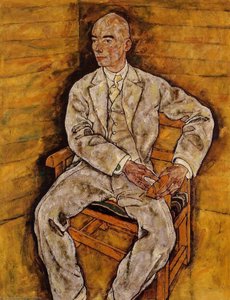
The Brother
Dimensiune reproducere
Egon Schiele’s “The Brother,” painted in 1911, stands as a poignant testament to the artist's preoccupation with themes of intimacy, loss, and the inescapable confrontation with death—a characteristic hallmark of Expressionist art. This arresting watercolor depicts two figures seated closely together, their faces turned towards each other in an unspoken exchange of gaze. The man’s posture exudes quiet contemplation, while his eyes are fixed on the woman beside him who is enveloped in repose.
Vienna during Schiele’s time was a crucible of artistic innovation, fueled by intellectual currents questioning traditional values and embracing psychological exploration. The Expressionist movement sought to convey inner emotional states rather than external appearances—a reaction against Impressionism's focus on capturing fleeting moments of beauty. Schiele’s work aligns perfectly with this broader artistic ethos, reflecting the anxieties and uncertainties of a generation grappling with societal upheaval.
The inclusion of a figure representing death—often interpreted as a stylized monk—is arguably the painting's most striking symbolic element. This depiction isn’t merely gruesome; it serves as a visual representation of mortality and its inescapable influence on human experience. The woman’s closed eyes symbolize acceptance, perhaps even surrender to the inevitable, while the man’s gaze suggests an attempt to comprehend this profound reality.
"The Brother" transcends mere visual depiction; it evokes a palpable sense of melancholy and introspection. Schiele skillfully captures the unspoken tension between intimacy and fear—the awareness that even in moments of closeness, death looms as an ever-present shadow. The painting’s subdued palette and expressive brushstrokes invite contemplation on themes of loss, vulnerability, and the human condition—a timeless exploration of existential concerns that continues to resonate with audiences today.

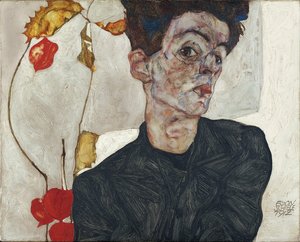
1890 - 1918 , Austria

Explore the profound history and technical mastery of watercolor painting. From medieval manuscripts to the luminous works of John Singer Sargent, discover how artists capture light and transparency through this delicate, enduring medium.


Rămâneți la curent cu cele mai recente știri din lumea artei, ofertele noastre exclusive și ideile de decor.
Spuneți-ne despre proiectul dumneavoastră, iar experții noștri în artă vă vor oferi 3 sugestii personalizate.
Vom selecta 3 opțiuni special pentru tine – Gratuit!


 Previzualizare
 Trimite
 Distribuie
 Detalii despre lucrare

 Descarcă
 Produse similare
 Radiografie
 Diapozitive automate

 Vezi mai mult







 Opțiunea cu sticlă este disponibilă doar pentru dimensiuni de sub 110 cm