Vinde opere de artă
Lista de dorințe Coș de cumpărături Cart
PrevizualizarePrevizualizare Previzualizare ARPrevizualizare AR Comandă printul Comandă printulComandă pictură lucrată manual Comandă pictură lucrată manual TrimiteTrimite
Detalii despre lucrareDetalii despre lucrare Adaugă la favorite Adaugă la favorite DescarcăDescarcă Produse similareProduse similare RadiografieRadiografie Diapozitive automateDiapozitive automate

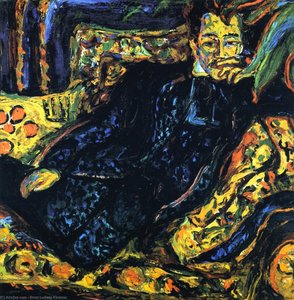
untitled (3998)

Witness the haunting intensity of Egon Schiele’s ‘Untitled (3998)’. This evocative portrait captures raw emotion and unspoken tension, reflecting the artist's exploration of mortality & human experience. Explore a masterpiece now.

Descoperă arta expresionistă intensă a lui Egon Schiele (1890-1918): portrete puternice, teme psihologice și linii unice. Descoperiți reproducerile acum!

Achiziționați o imagine digitală de înaltă rezoluție, îmbunătățită, mult superioară previzualizării online.

Fiecare fișier este pregătit cu meticulozitate de specialiștii noștri interni, utilizând instrumente avansate și retușare manuală expertă. Ne asigurăm că fiecare imagine beneficiază de o claritate excepțională, o acuratețe precisă a culorilor și detalii fine.

Fișierul final este livrat prin e-mail în termen de 72 de ore, optimizat pentru utilizare imediată în medii profesionale, editoriale și de imprimare. Aceasta este aceeași calitate în care au încredere studiouri de design, edituri și galerii de top.

Imagine Digitală

Descărcați un fișier la rezoluție înaltă pentru afișare personală, imprimare și proiecte creative. (Comandă printul Comandă printulComandă pictură lucrată manual Comandă pictură lucrată manual)

Preț total

$ 24,90

Inclus în fiecare comandă de imagini digitale

Livrare digitală de expertiză, garantată

Când alegeți Most-Famous-Paintings.com, nu primiți doar o simplă imagine – primiți o operă de artă digitală îmbunătățită profesional, creată cu precizie și susținută de o garanție de satisfacție. Iată tot ceea ce primești odată cu comanda ta, în mod automat:

shipping_icon
Livrare rapidă prin e-mail

Fișierul imaginii digitale la rezoluție înaltă vă va fi trimis prin e-mail în termen de 72 de ore de la finalizarea comenzii – gata pentru utilizare imediată.

canvas_icon
Fișier digital optimizat prin IA

Opera ta de artă este optimizată profesional prin intermediul unor instrumente AI avansate și al editării manuale, asigurând un nivel maxim de detalii, claritate și acuratețe a culorilor.

insurance_icon
Retransmitere gratuită pe viață

Ai șters sau ai pierdut din greșeală fișierul? Nu îți face griji – ți-l vom retrimite oricând, gratuit.

tax_icon
Fără taxe de import – Întotdeauna

Bucură-te instant de noua ta operă de artă, fără taxe vamale, taxe de import sau costuri de livrare – descărcările digitale sunt întotdeauna fără taxe.

color_icon
Garanția acurateții culorilor

Asigurăm o reflectare cât mai fidelă a culorilor originale în imaginea ta digitală, prin utilizarea unor instrumente profesionale și a proceselor de gestionare a culorii.

return_icon
Garanție de satisfacție de 60 de zile

Dacă nu sunteți mulțumit de imaginea digitală achiziționată, o vom revizui sau vă vom returna 100% în termen de 60 de zile – fără nicio explicație necesară.

guarantee_icon
Garanție de returnare 100% a banilor

Nu ești mulțumit? Obține o rambursare completă în termen de 60 de zile de la primirea fișierului tău digital – fără întrebări.

discount_icon
Reduceri pentru comenzi în volum

Cumpără 3 imagini, economisește 10% - Cumpără 5, economisește 15% - Cumpără 10+, economisește 20%. Ideal pentru proiecte creative, galerii și agenții.

Informații rapide

  • Artist: Egon Schiele
  • Notable elements: Distressed figures
  • Influences: Klimt
  • Movement: Expressionism
  • Title: untitled (3998)

Test de cultură artistică

Fiecare întrebare are un singur răspuns corect.

Întrebare 1:
Based on the image description, what is the primary emotional atmosphere conveyed by the painting?
Întrebare 2:
The image description mentions several people in the background. What is the most likely interpretation of their presence?
Întrebare 3:
Egon Schiele was known for his work in which artistic movement?
Întrebare 4:
Considering Egon Schiele's biography, what likely influenced his recurring themes of mortality and fragility?
Întrebare 5:
What artistic technique is most prominently featured in Schiele's work, as evidenced by the image description?

Descriere obiect de colecție

Egon Schiele’s Haunting Portrait – A Study in Distress

Egon Schiele's "untitled (3998)" is not merely a depiction of two figures; it’s an intensely felt exploration of vulnerability, isolation, and the unsettling undercurrents of human connection. Painted during a period of profound personal turmoil for the artist – a time marked by illness, loss, and the looming shadow of World War I – this work embodies Schiele's signature style: raw emotion rendered with a deliberate, almost violent energy. The painting presents a scene of palpable discomfort, a silent drama unfolding within a darkened space. A man clutches his face in apparent anguish, while a woman lies prone, her averted gaze suggesting both physical and emotional distress. The stark black clothing worn by all figures amplifies the atmosphere of bleakness and intensifies the sense of confinement.

A Portrait of Psychological Turmoil – Schiele’s Expressionist Vision

Schiele was a pivotal figure in the development of Expressionism, an artistic movement characterized by its subjective emotional expression rather than objective representation. He rejected academic conventions, favoring distorted forms, exaggerated lines, and jarring color palettes to convey inner states. In “untitled (3998),” this is immediately evident. The figures are not idealized; they possess a disturbing physicality – elongated limbs, contorted postures—that speaks directly to the psychological strain depicted. Schiele’s use of line is particularly striking: thick, restless strokes that seem to vibrate with anxiety and uncertainty. The background, populated by indistinct figures engaged in anonymous activities, further contributes to the painting's sense of unease and detachment, suggesting a world indifferent to the central characters’ suffering.

Historical Context & Schiele’s Personal Demons

Understanding the context surrounding this work is crucial to appreciating its depth. Egon Schiele’s life was marked by tragedy and hardship from an early age. His father, a railway station master, succumbed to syphilis, a disease that cast a long shadow over the family's history and profoundly influenced Schiele’s artistic vision. The premature death of his sister Elvira also left an indelible mark on him. These personal traumas fueled a preoccupation with mortality, illness, and the fragility of human existence – themes repeatedly explored in his oeuvre. The painting can be interpreted as a reflection of this broader psychological landscape, capturing a moment of intense emotional vulnerability within a world seemingly devoid of solace.

Symbolism & Emotional Resonance

While the precise meaning behind “untitled (3998)” remains open to interpretation, several symbolic elements contribute to its powerful impact. The man’s gesture – covering his face—suggests shame, pain, or perhaps a desperate attempt to shield himself from an unbearable reality. The woman's position, lying prone and turned away, could represent resignation, despair, or a withdrawal from connection. The overall composition creates a claustrophobic atmosphere, emphasizing the characters’ isolation and amplifying their emotional distress. It is this potent combination of visual elements and psychological depth that makes “untitled (3998)” such a compelling and enduring work of art. A reproduction offers a remarkable opportunity to experience Schiele's intensely personal vision, bringing his haunting exploration of human suffering into your space.

  • Artist: Egon Schiele
  • Date: Unknown
  • Medium: Oil on Canvas (reproduction available)
  • Size: Unknown (available in various sizes for reproduction)

Explore high-quality reproductions of “untitled (3998)” and other iconic Egon Schiele works at Most-Famous-Paintings.com.

Biografie artist

A Life Forged in Expression

Egon Schiele’s life, a whirlwind of artistic passion and profound personal hardship, unfolded from his birth in Tulln an der Donau, Austria, in 1890. His early years were steeped in sorrow; the loss of his father, a railway station master, due to syphilis when Egon was just fourteen cast a long shadow, fueling within him a haunting preoccupation with mortality and the fragility of human existence. Raised initially by his mother and later under the watchful eye of his uncle Leopold Czihaczek, Schiele’s childhood lacked the stability common to many, yet it fostered an independent spirit—a crucial element in shaping his artistic vision. From a young age, he displayed an intense fascination with trains – a motif that would subtly reappear throughout his work – and a burgeoning talent for drawing, though this was often met with disapproval from his father who viewed it as a distraction from more practical pursuits. The untimely death of his sister Elvira further deepened the emotional landscape of his youth, imbuing his art with an undercurrent of melancholy and vulnerability. These formative experiences—loss, isolation, and a yearning for self-expression—became the bedrock upon which Schiele’s unique artistic voice was built, constantly grappling with themes of life, death, and the complexities of the human condition.

The Crucible of Vienna: Artistic Development

Schiele's formal artistic training began at the Kunstgewerbeschule (School of Arts and Crafts) in Vienna, but he quickly found himself stifled by its conservative approach—a rigid adherence to tradition that clashed with his burgeoning creative spirit. Seeking a more stimulating environment, he transferred to the Akademie der bildenden Künste (Academy of Fine Arts), only to discover further disillusionment with its academic constraints. This dissatisfaction led him to abandon formal training altogether, choosing instead to forge his own path – a bold decision reflecting his unwavering artistic conviction and determination to express himself on his own terms. A pivotal influence during these early years was Gustav Klimt, the celebrated Secessionist painter. Schiele deeply admired Klimt’s decorative style and his exploration of symbolism, even receiving mentorship from the established artist. However, Schiele soon diverged significantly from Klimt's aesthetic, developing a distinctly individual voice characterized by its stark honesty, psychological intensity, and unflinching portrayal of human vulnerability. He became a founding member of the *Neues Wiener Kunstgruppe* (New Viennese Art Group) in 1909, alongside other progressive artists who challenged the prevailing artistic norms of the time. This group provided a space for experimentation and innovation, allowing Schiele to refine his style and explore new avenues of expression. His early works—often unsettling portraits and self-portraits—began to emerge as powerful statements of emotional turmoil, featuring distorted figures, elongated limbs, and a palpable sense of unease. These paintings were not merely representations of physical form but explorations of the inner landscape—the anxieties, desires, and fears that haunted the human psyche. He sought to depict not what he *saw*, but what he *felt*.

Raw Emotion and Unflinching Truth

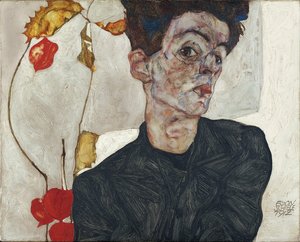
Egon Schiele’s art is immediately recognizable for its raw honesty and psychological depth. He fearlessly confronted themes often considered taboo – sexuality, death, anxiety, isolation – with an unflinching gaze. His distinctive style features elongated figures, contorted poses, and expressive lines that convey a sense of unease and emotional intensity. The human form, particularly the nude, became his primary subject, not as an object of idealized beauty but as a vessel for exploring the complexities of human experience. Self-portraits constitute a significant portion of his oeuvre, offering intimate glimpses into his inner world—a world often marked by loneliness and self-doubt. He didn’t shy away from depicting himself in unflattering or vulnerable poses, revealing a profound level of self-awareness and introspection. Beyond self-portraiture, Schiele created numerous portraits of others, capturing their likenesses with an unsettling realism that seemed to penetrate beneath the surface. His landscapes, while less central to his work than his figurative paintings, demonstrate his mastery of form and color, often reflecting the same emotional intensity as his portraits. The use of line is particularly striking in Schiele’s work; it's not merely a tool for defining shape but an expressive force that conveys emotion and psychological tension. Recurring motifs like the *Physalis* plant – symbolizing death and transience with its delicate, papery husk – further underscore this preoccupation with mortality. The influence of Symbolism is also evident in his use of color and symbolism, adding layers of meaning to his compositions.

A Legacy Cut Short: Achievements & Significance

Despite facing censorship and legal challenges—including a brief imprisonment for allegedly corrupting minors with his art—Schiele gained recognition within Vienna’s avant-garde circles. His work challenged the conventions of the time, provoking both admiration and outrage. By the time of his untimely death during the Spanish flu pandemic in 1918 at the age of twenty-eight, he had established himself as a leading figure in Austrian Expressionism. Significant works such as *Self-Portrait with Physalis*, *Couple Embracing*, and *Field Landscape (Kreuzberg near Krumau)* stand as testaments to his artistic genius. His influence on subsequent generations of artists is undeniable, particularly those interested in exploring psychological themes and challenging conventional artistic norms. Schiele’s bold approach to form and subject matter continues to resonate with audiences today, making him one of the most important and influential figures in early 20th-century art. His paintings are now held in major museum collections worldwide, including the Leopold Museum in Vienna and the Egon Schiele Art Centrum in Český Krumlov, ensuring his artistic legacy endures. He left behind a body of work that is not merely aesthetically compelling but profoundly human—a testament to the power of art to confront the complexities of existence with honesty, courage, and unwavering vision.
  • Key Themes: Mortality, sexuality, isolation, psychological turmoil.
  • Influences: Gustav Klimt, Viennese Secession, personal trauma.
  • Style Characteristics: Elongated figures, contorted poses, expressive lines, raw emotion.
Egon Schiele

Egon Schiele

1890 - 1918 , Austria

Detalii rapide

  • Artistic Movement Or Style: Expressionism
  • Artists Or Movements Influenced By This Artist: ['Secession']
  • Artists Who Influenced This Artist: ['Klimt']
  • Date Of Birth: 1890
  • Date Of Death: 1918
  • Full Name: Egon Schiele
  • Nationality: Austrian
  • Notable Artworks:
    • Self-Portrait
    • Couple
    • Peisaj
  • Place Of Birth: Tulln, Austria