


x

 Ulei pe pânzăArtă muralăMannerism and Venetian influences
 1610Epoca modernă timpurie
 97.0 x 77.0 cm
 Museo del Greco
Achiziționați o imagine digitală de înaltă rezoluție, îmbunătățită, mult superioară previzualizării online.
Fiecare fișier este pregătit cu meticulozitate de specialiștii noștri interni, utilizând instrumente avansate și retușare manuală expertă. Ne asigurăm că fiecare imagine beneficiază de o claritate excepțională, o acuratețe precisă a culorilor și detalii fine.
Fișierul final este livrat prin e-mail în termen de 72 de ore, optimizat pentru utilizare imediată în medii profesionale, editoriale și de imprimare. Aceasta este aceeași calitate în care au încredere studiouri de design, edituri și galerii de top.
Descărcați un fișier la rezoluție înaltă pentru afișare personală, imprimare și proiecte creative. ( Comandă versiunea tipărită Comandă pictură realizată manual)
Când alegeți Most-Famous-Paintings.com, nu primiți doar o simplă imagine – primiți o operă de artă digitală îmbunătățită profesional, creată cu precizie și susținută de o garanție de satisfacție. Iată tot ceea ce primești odată cu comanda ta, în mod automat:

Fișierul imaginii digitale la rezoluție înaltă vă va fi trimis prin e-mail în termen de 72 de ore de la finalizarea comenzii – gata pentru utilizare imediată.

Opera ta de artă este optimizată profesional prin intermediul unor instrumente AI avansate și al editării manuale, asigurând un nivel maxim de detalii, claritate și acuratețe a culorilor.

Ai șters sau ai pierdut din greșeală fișierul? Nu îți face griji – ți-l vom retrimite oricând, gratuit.

Bucură-te instant de noua ta operă de artă, fără taxe vamale, taxe de import sau costuri de livrare – descărcările digitale sunt întotdeauna fără taxe.

Asigurăm o reflectare cât mai fidelă a culorilor originale în imaginea ta digitală, prin utilizarea unor instrumente profesionale și a proceselor de gestionare a culorii.

Dacă nu sunteți mulțumit de imaginea digitală achiziționată, o vom revizui sau vă vom returna 100% în termen de 60 de zile – fără nicio explicație necesară.

Nu ești mulțumit? Obține o rambursare completă în termen de 60 de zile de la primirea fișierului tău digital – fără întrebări.

Cumpără 3 imagini, economisește 10% - Cumpără 5, economisește 15% - Cumpără 10+, economisește 20%. Ideal pentru proiecte creative, galerii și agenții.
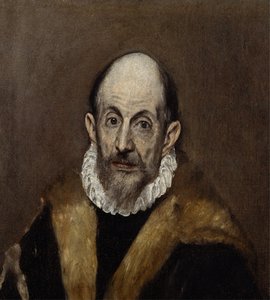
Doménikos Theotokópoulos, universally known as El Greco, remains one of the most singularly compelling figures in Western art. Born on Crete in 1541 and ultimately settling in Toledo, Spain, his work transcends simple categorization, blending Byzantine spirituality with a deeply personal, almost tormented vision. ‘Apostle St Philip,’ painted around 1610, is a prime example of this unique approach – a powerful meditation on faith, devotion, and the weight of spiritual responsibility. This oil-on-canvas masterpiece, currently residing in the Museo de El Greco in Toledo, isn’t merely a portrait; it's an invitation into the artist’s intensely felt world.
The painting immediately commands attention with its dramatic use of color and elongated forms, hallmarks of El Greco’s distinctive Mannerist style. The figure of St Philip is rendered with a palpable sense of gravity, his posture conveying both solemnity and an almost unbearable burden. Notice the deliberate distortion of perspective – the figures seem to emerge from a hazy darkness, drawing the viewer into a realm of contemplation. This isn't a straightforward depiction of a biblical scene; it’s an emotional landscape, saturated with feeling and imbued with a profound sense of mystery.
El Greco’s artistic journey was shaped by a complex interplay of influences. His early training in Crete exposed him to the rich traditions of Byzantine iconography – a meticulous attention to detail, vibrant colors, and symbolic representation deeply rooted in religious faith. The influence of icons is immediately apparent in the composition's structure and the use of gold leaf, though he quickly moved beyond mere imitation. However, his time in Venice and Rome introduced him to the innovations of the Renaissance, particularly the Venetian masters like Titian and Tintoretto, who employed dramatic lighting, dynamic compositions, and a heightened sense of realism. He skillfully blended these influences, creating a style that is both ancient and strikingly modern. The elongated figures, characteristic of El Greco’s work, are not simply stylistic flourishes; they represent a spiritual yearning, an attempt to capture the essence of the divine within the confines of human form.
The use of intense pigmentation – deep blues, reds, and golds – further amplifies this effect, creating a visual experience that is both arresting and emotionally resonant. The background, rendered in muted tones, serves as a powerful counterpoint to the figure’s vibrant presence, emphasizing his isolation and inner struggle. This deliberate contrast wasn't accidental; it reflects El Greco's profound understanding of light and shadow, a technique he honed through years of observation and experimentation.
‘Apostle St Philip’ is rich in symbolic meaning. The central image – the cross held firmly in his hand – immediately anchors the scene within the Christian narrative. However, El Greco doesn't simply depict the act of holding the cross; he captures the *feeling* of bearing its weight. The apostle’s downward gaze and the slight furrow of his brow suggest a profound sense of sorrow, humility, and acceptance. He is not triumphant or heroic; he is a man wrestling with faith, burdened by responsibility. The gesture itself – almost as if absorbing the cross's pain – speaks volumes about El Greco’s interpretation of Christian devotion.
The muted palette of the background contributes to this atmosphere of contemplation. It evokes a sense of timelessness, suggesting that St Philip’s struggle is one that transcends specific historical context. The darkness surrounding him symbolizes the unknown, the challenges inherent in following Christ's path, and perhaps even the artist’s own personal struggles with faith and doubt. The painting isn’t just a religious image; it’s an exploration of the human condition – our capacity for both suffering and devotion.
The Museo de El Greco in Toledo provides a crucial context for understanding this masterpiece. The museum houses an extensive collection of works by the artist, offering a comprehensive overview of his artistic development. Visitors can trace his evolution from the early influence of Byzantine iconography to the mature style characterized by dramatic color and elongated forms. Beyond El Greco’s own paintings, the museum also showcases works by other 17th-century Spanish artists, providing valuable insights into the broader cultural context of Toledo during this period. A visit here allows one to truly appreciate the scale of El Greco's impact on art history.
Explore the Reproduction | Discover More El Greco Masterpieces

1541 - 1614 , Grecia


Rămâneți la curent cu cele mai recente știri din lumea artei, ofertele noastre exclusive și ideile de decor.
Spuneți-ne despre proiectul dumneavoastră, iar experții noștri în artă vă vor oferi 3 sugestii personalizate.
Vom selecta 3 opțiuni special pentru tine – Gratuit!


 Previzualizare
 Trimite
 Distribuie
 Detalii despre lucrare

 Descarcă
 Produse similare
 Radiografie
 Diapozitive automate
 Vezi mai mult


