


x


 Comandă tipăritul Comandă reproducere pictată
 Trimite
 Detalii despre lucrare
 Adaugă la favorite
 Descarcă
 Similare
 Radiografie
 Diaporama
 Acrilic pe pânzăArtă muralăRenaissance Mannerism
 1571Renașterea
 58.0 x 86.0 cm
 Muzeul Național din Capodimonte
Achiziționați o imagine digitală îmbunătățită și de înaltă rezoluție, mult superioară previzualizării online.
Fiecare fișier este pregătit cu meticulozitate de specialiștii noștri interni, utilizând instrumente avansate și retușare manuală expertă. Ne asigurăm că fiecare imagine beneficiază de o claritate excepțională, o acuratețe precisă a culorilor și detalii fine.
Fișierul final este livrat prin e-mail în termen de 72 de ore, optimizat pentru utilizare imediată în medii profesionale, editoriale și de imprimare. Aceasta este aceeași calitate în care au încredere studiouri de design, edituri și galerii de top.
Descărcați un fișier la rezoluție înaltă pentru afișare personală, imprimare și proiecte creative.
Când alegeți Most-Famous-Paintings.com, nu primiți doar o simplă imagine – primiți o operă de artă digitală îmbunătățită profesional, creată cu precizie și susținută de o garanție de satisfacție. Iată tot ceea ce primești odată cu comanda ta, în mod automat:

Fișierul imaginii digitale la rezoluție înaltă vă va fi trimis prin e-mail în termen de 72 de ore de la finalizarea comenzii – gata pentru utilizare imediată.

Opera ta de artă este optimizată profesional prin intermediul unor instrumente AI avansate și al editării manuale, asigurând un nivel maxim de detalii, claritate și acuratețe a culorilor.

Ai șters sau ai pierdut din greșeală fișierul? Nu îți face griji – ți-l vom retrimite oricând, gratuit.

Bucură-te instant de opera ta de artă, fără taxe vamale, taxe de import sau costuri de livrare – descărcările digitale sunt întotdeauna fără taxe.

Asigurăm că imaginea ta digitală reflectă culorile originale cât mai fidel posibil, utilizând instrumente profesionale și procese de gestionare a culorii.

Dacă nu sunteți mulțumit de imaginea digitală achiziționată, o vom revizui sau vă vom returna 100% în termen de 60 de zile – fără nicio explicație necesară.

Nu ești mulțumit? Obține o rambursare completă în termen de 60 de zile de la primirea fișierului tău digital – fără întrebări.

Cumpără 3 imagini, economisește 10% - Cumpără 5, economisește 15% - Cumpără 10+, economisește 20%. Ideal pentru proiecte creative, galerii și agenții.
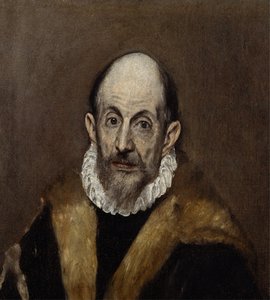
Doménikos Theotokópoulos, universally known as El Greco, remains one of the most singularly captivating figures in Western art history. His canvases pulse with an almost unbearable intensity – a blend of Byzantine spirituality and fervent emotion that continues to resonate centuries later. Within his oeuvre, few portraits capture this unique spirit quite like “Giulio Clovio,” painted in 1571, a work commissioned by the influential Cardinal Alessandro Farnese during El Greco’s time in Rome. More than simply a likeness, this painting offers a profound glimpse into the world of Renaissance scholarship, artistic patronage, and the meticulous craftsmanship that defined the era.
The subject himself, Giulio Clovio (1498-1578), was a celebrated miniaturist, often dubbed “the Michelangelo of the miniature” by the esteemed Giorgio Vasari. His skill lay not in grand landscapes or dramatic narratives, but in the painstaking creation of incredibly detailed illuminated manuscripts – intricate works that demanded an unparalleled level of precision and artistic vision. Clovio’s influence on El Greco is immediately apparent; the artist subtly incorporates elements of Clovio's meticulous style into his depiction, most notably through the inclusion of a window backdrop reminiscent of Clovio’s own work. The painting’s historical context is rich: commissioned during a period of intense artistic and intellectual ferment in Rome, it speaks to the patronage system that fueled much of Renaissance creativity – a world where artists were employed by powerful figures like Farnese, shaping both art and culture.
“Giulio Clovio” is not merely a portrait; it’s a carefully constructed tableau brimming with symbolic detail. The subject himself, rendered in a dignified pose, holds his magnum opus – the “Farnese Hours,” a monumental illuminated manuscript that showcased Clovio’s unparalleled skill. This inclusion isn’t accidental; it underscores Clovio’s importance and elevates the portrait to a celebration of artistic achievement. Beyond the central figure, subtle yet significant details populate the scene. Note the two birds perched near the top left corner and on the right side of the frame – these aren't mere decorative elements but likely represent concepts of wisdom and vigilance, frequently employed in Renaissance symbolism. The stormy sky glimpsed through the window adds a layer of depth and perhaps even foreshadows Clovio’s own life, marked by both triumph and adversity.
El Greco’s distinctive style is powerfully evident. His elongated forms, characteristic of his later work, lend a sense of dynamism to the portrait, while his use of vibrant colors – particularly in the rich fabrics of Clovio’s robe – creates an immediate visual impact. The background, with its detailed landscape and dramatic sky, serves as a foil to the subject’s stillness, drawing the viewer’s eye and emphasizing the contrast between the man and his world. The painting exemplifies El Greco’s ability to imbue even a seemingly straightforward portrait with profound emotional resonance – a testament to his unique artistic vision.
The commission of “Giulio Clovio” by Cardinal Alessandro Farnese reflects the pervasive influence of papal patronage during El Greco’s Roman years. Farnese, a prominent supporter of humanist scholarship and artistic endeavors, recognized El Greco's genius and entrusted him with creating this ambitious artwork. This arrangement exemplifies the complex relationship between artists and rulers—a dynamic where creativity flourished thanks to financial backing and intellectual stimulation. The painting serves as a tangible reminder of the Renaissance’s commitment to elevating art alongside learning, fostering an environment conducive to groundbreaking innovation.
Furthermore, Clovio himself represents a pivotal figure in Renaissance artistic practice. As a master miniaturist, he epitomized the meticulous dedication required for producing illuminated manuscripts—a craft that demanded exceptional skill and patience. El Greco’s incorporation of Clovio's stylistic hallmarks underscores the interconnectedness of artistic traditions and celebrates the legacy of those who paved the way for future generations.
Perhaps the most striking element of “Giulio Clovio” is its backdrop—a landscape rendered in El Greco’s signature style. This deliberate choice isn't coincidental; it signifies a profound artistic dialogue between two masters. The window framing the scene mirrors Clovio’s own meticulous depictions of architectural interiors, subtly reinforcing his influence on El Greco’s oeuvre. It speaks to the broader Renaissance preoccupation with capturing reality—albeit filtered through an artist’s perspective—and highlights the transformative power of stylistic exchange.
Most-Famous-Paintings is proud to offer meticulously hand-painted reproductions of “Giulio Clovio,” capturing the essence of El Greco’s genius with unparalleled accuracy and detail. Each reproduction is created by skilled artists using traditional techniques, ensuring that you receive a faithful representation of this iconic masterpiece. Whether you're an art enthusiast, collector, or simply seeking to add a touch of Renaissance elegance to your home, our “Giulio Clovio” reproductions provide a beautiful and authentic way to experience the enduring legacy of El Greco. Explore additional works by El Greco on Most-Famous-Paintings.com – including “El Greco (Doménikos Theotokopoulos): Giulio Clovio" and "El Greco (Doménikos Theotokopoulos): Giulio Clovio" – for a deeper appreciation of his remarkable artistic journey.

1541 - 1614 , Grecia


Rămâneți la curent cu cele mai recente știri din lumea artei, ofertele noastre exclusive și ideile de decor.
Spuneți-ne despre proiectul dumneavoastră, iar experții noștri în artă vă vor oferi 3 sugestii personalizate.
Vom selecta 3 opțiuni special pentru tine – Gratuit!


 Distribuie

 Vezi mai mult


