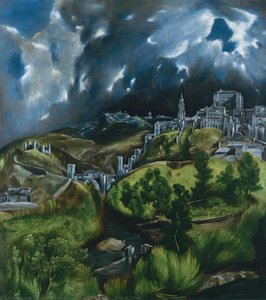
x

 Oil On CanvasWallArtBaroque Revival
 1600Early Modern
 110.0 x 95.0 cm
 Colecția Frick
Printuri giclée sau pe canvas de calitate muzeală, cu proces de producție rapid și opțiuni flexibile de finisare. ( Comandă pictură realizată manual Comută la imagine)





























Alegeți dintre dimensiunile noastre prestabilite, care respectă proporțiile originale ale operei de artă.

Puteți introduce propriile dimensiuni pentru a se potrivi unui anumit cadru sau spațiu. Dacă dimensiunea selectată nu corespunde proporțiilor imaginii originale, vom decupa lucrarea de artă sau vom extinde imaginea cu margini oglindite sau cu o culoare uniformă. Un mockup digital va fi trimis pentru aprobarea dumneavoastră înainte de începerea producției.
Vă rugăm să rețineți că previzualizarea de pe ecran nu reflectă decuparea sau extinderea reală. Doar mockup-ul va arăta cu exactitate compoziția finală.
Deși dimensiunile personalizate sunt disponibile, vă recomandăm să selectați o dimensiune din lista predefinită pentru a păstra proporțiile originale.
Livrare în întreaga lume () în 2 săptămâni, în loc de cele 4/5 săptămâni standard. (9 August)


St. Jerome
Dimensiune reproducere
In the quiet, shadowed corners of art history, few figures command the room with as much profound gravity as El Greco’s St. Jerome. Created around 1600 in the fervent atmosphere of Toledo, this masterpiece is far more than a mere portrait of a saint; it is a window into the very soul of Mannerism. The painting captures the venerable Doctor of the Church, St. Jerome, not as a distant icon, but as a man deeply immersed in the weight of his own devotion. As he sits amidst an austere setting, his weathered face and long, flowing white beard serve as a testament to a lifetime of intellectual rigor and spiritual searching. The artist masterfully uses a palette of deep reds and soft pinks against a somber, dark background, ensuring that every wrinkle of wisdom and every fold of his scholarly robes pulls the viewer into his private moment of contemplation.
The technique employed by Domenikos Theotokópoulos—the Greek master known as El Greco—is nothing short of transformative. Moving away from the balanced, harmonious ideals of the High Renaissance, El Greco embraces the expressive distortions of Mannerism to evoke a sense of divine unrest. Through the brilliant use of chiaroscuro, he sculpts Jerome’s form with dramatic light and shadow, creating a three-dimensional presence that feels almost tactile. The elongated proportions and flickering, ethereal light characteristic of his style do not merely represent physical reality; they suggest a spiritual reality that transcends the material world. For the discerning collector or interior designer, this painting offers a commanding focal point, bringing a sense of historical depth and dramatic elegance to any sophisticated space.
To understand the emotional resonance of this work, one must look to the streets of Toledo during the turn of the 17th century. This was a city pulsating with Catholic piety, a place where the boundaries between the earthly and the divine felt thin. El Greco, having traveled from the Byzantine traditions of Crete through the vibrant studios of Venice and Rome, arrived in Spain with a unique visual language capable of expressing this intense religious fervor. In St. Jerome, we see the culmination of this journey. The saint, famed for translating the Bible into Latin, is depicted with his book—the very vessel of his life's work—symbolizing the bridge between human intellect and divine revelation.
The symbolism within the composition invites a lingering gaze. The stark contrast between the vibrant red of his cape and the murky depths of the background serves to isolate the subject, mirroring the solitary nature of ascetic life. There is a palpable sense of solitude and intellectual hunger that radiates from the canvas. For those looking to adorn a study, library, or a formal gallery, a high-quality reproduction of this piece provides more than just decoration; it offers an invitation to pause, to reflect, and to engage with one of the most emotionally charged periods in Western art history. It is a piece that does not merely hang on a wall—it breathes life into the architecture surrounding it.
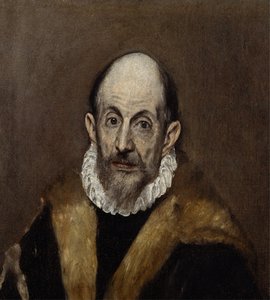
1541 - 1614 , Grecia

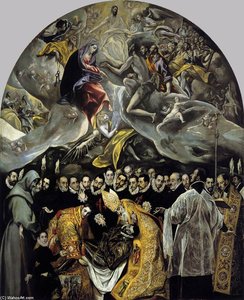
Descoperă cele mai frumoase 25 de picturi El Greco! Explorează capodoperele renascentiste, stilul unic al lui Doménikos Theotokópoulos și emoțiile puternice din arta sa sacră. Reproduceri de artă de calitate muzeală pe Most-Famous-Paintings.com – inspiră-ți decorul!
Descoperă top 25 de capodopere Prado: Velázquez, Goya, El Greco și alți maeștri spanioli. Află poveștile din spatele picturilor clasice baroce și găsește inspirație pentru decorul casei tale pe Most-Famous-Paintings.com!

Descoperă cele mai frumoase 25 de capodopere din Hermitage Museum, Saint Petersburg! Rembrandt, Leonardo da Vinci și alți maeștri ai artei prind viață. Găsește inspirație pentru decor interior și reproduceri de tablouri de lux pe Most-Famous-Paintings.com.

Descoperă cele 10 capodopere definitorii ale Manierismului! Explorează stilul unic al artiștilor Pontormo, El Greco și Bronzino. Reproduceri de artă de calitate muzeală pentru un decor elegant. Inspiră-te pe Most-Famous-Paintings.com!
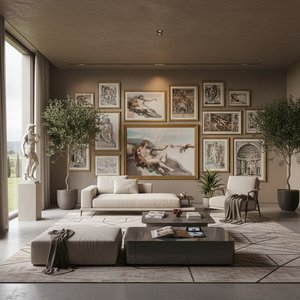
Descoperă cele mai emblematice 25 de capodopere ale lui Michelangelo Buonarroti! Explorează sculpturi renascentiste, picturi iconice și fresce uimitoare. Află poveștile din spatele artei clasice și găsește inspirație pentru decorul tău pe Most-Famous-Paintings.com.


Rămâneți la curent cu cele mai recente știri din lumea artei, ofertele noastre exclusive și ideile de decor.
Spuneți-ne despre proiectul dumneavoastră, iar experții noștri în artă vă vor oferi 3 sugestii personalizate.
Vom selecta 3 opțiuni special pentru tine – Gratuit!


 Previzualizare
 Trimite
 Distribuie
 Detalii despre lucrare

 Descarcă
 Produse similare
 Radiografie
 Diapozitive automate
 Vezi mai mult







 Opțiunea cu sticlă este disponibilă doar pentru dimensiuni de sub 110 cm