


x

 Acrylic On CanvasWallArtSpiritual Expressionism
 1612
1612 115.0 x 85.0 cm
 Worcester Art Museum
Achiziționați o imagine digitală de înaltă rezoluție, îmbunătățită, mult superioară previzualizării online.
Fiecare fișier este pregătit cu meticulozitate de specialiștii noștri interni, utilizând instrumente avansate și retușare manuală expertă. Ne asigurăm că fiecare imagine beneficiază de o claritate excepțională, o acuratețe precisă a culorilor și detalii fine.
Fișierul final este livrat prin e-mail în termen de 72 de ore, optimizat pentru utilizare imediată în medii profesionale, editoriale și de imprimare. Aceasta este aceeași calitate în care au încredere studiouri de design, edituri și galerii de top.
Descărcați un fișier la rezoluție înaltă pentru afișare personală, imprimare și proiecte creative. ( Comandă printul Comandă pictură lucrată manual)
Când alegeți Most-Famous-Paintings.com, nu primiți doar o simplă imagine – primiți o operă de artă digitală îmbunătățită profesional, creată cu precizie și susținută de o garanție de satisfacție. Iată tot ceea ce primești odată cu comanda ta, în mod automat:

Fișierul imaginii digitale la rezoluție înaltă vă va fi trimis prin e-mail în termen de 72 de ore de la finalizarea comenzii – gata pentru utilizare imediată.

Opera ta de artă este optimizată profesional prin intermediul unor instrumente AI avansate și al editării manuale, asigurând un nivel maxim de detalii, claritate și acuratețe a culorilor.

Ai șters sau ai pierdut din greșeală fișierul? Nu îți face griji – ți-l vom retrimite oricând, gratuit.

Bucură-te instant de noua ta operă de artă, fără taxe vamale, taxe de import sau costuri de livrare – descărcările digitale sunt întotdeauna fără taxe.

Asigurăm o reflectare cât mai fidelă a culorilor originale în imaginea ta digitală, prin utilizarea unor instrumente profesionale și a proceselor de gestionare a culorii.

Dacă nu sunteți mulțumit de imaginea digitală achiziționată, o vom revizui sau vă vom returna 100% în termen de 60 de zile – fără nicio explicație necesară.

Nu ești mulțumit? Obține o rambursare completă în termen de 60 de zile de la primirea fișierului tău digital – fără întrebări.

Cumpără 3 imagini, economisește 10% - Cumpără 5, economisește 15% - Cumpără 10+, economisește 20%. Ideal pentru proiecte creative, galerii și agenții.
El Greco's "St. Sebastian," painted in 1612, is not merely a depiction of martyrdom; it’s an intensely felt embodiment of anguish and spiritual torment. The painting immediately confronts the viewer with a stark image: a naked man, prostrate on what appears to be a simple wooden beam, his body riddled with arrows. Yet, this isn't a scene of dramatic action or heroic resistance. Instead, there is a profound stillness, an almost unbearable quietude that speaks volumes about the saint’s ordeal. The darkness enveloping the figure—a deliberate choice by El Greco—amplifies the sense of isolation and vulnerability, drawing our gaze directly to the wounds themselves.
The artist's mastery lies in his ability to convey emotion through form and color. While the palette is restrained – primarily deep browns, ochres, and muted reds – each brushstroke vibrates with a palpable energy. Notice how El Greco uses elongated forms, a hallmark of his style, to exaggerate the contours of Sebastian’s body, emphasizing the agony etched into every line. The arrows themselves aren't rendered with sharp detail; rather, they are suggested through subtle shading and texture, contributing to an overall impression of overwhelming pain. This deliberate ambiguity invites contemplation – we don’t see the precise mechanism of his suffering, but feel its devastating weight.
St. Sebastian's story is rooted in early Christian tradition. He was a Roman soldier who lived during the persecution of Christians under Diocletian. He volunteered to guard the imperial lupanar (brothel) as a form of penance for his past sins, and when he discovered that the guards were also engaging in illicit activities, he exposed them to the authorities. As a result, he was imprisoned and eventually sentenced to death by being shot with arrows – a punishment often reserved for those deemed enemies of the state. El Greco’s painting powerfully captures this moment of brutal execution, transforming it into a timeless meditation on faith, sacrifice, and enduring suffering.
It's crucial to understand that El Greco painted this work during a period of significant religious upheaval in Spain. The Spanish Inquisition was actively suppressing heresy, and the Catholic Church was seeking to reinforce its authority through art. Sebastian’s image resonated deeply with contemporary audiences, serving as a potent symbol of Christian virtue and resilience in the face of persecution. His nakedness, while shocking at first glance, can be interpreted as a stripping away of worldly possessions and pride – a preparation for his ultimate reward in heaven.
Doménikos Theotokópoulos, known simply as El Greco, was an artist utterly unlike any other. Born on Crete, he initially trained in the traditions of the Byzantine Empire – a style characterized by its rich colors, intricate detail, and spiritual intensity. However, his time in Venice exposed him to Renaissance influences, particularly the works of Titian and Veronese, which broadened his understanding of composition and color theory. Upon arriving in Toledo, Spain, El Greco synthesized these diverse influences into a uniquely personal style that is both emotionally charged and formally innovative.
His elongated figures, dramatic use of light and shadow (chiaroscuro), and expressive gestures are all hallmarks of his distinctive approach. He frequently employed a flattened perspective, creating an almost theatrical effect, as if pulling the viewer directly into the scene. This departure from traditional realism was revolutionary at the time and continues to captivate viewers today. The dynamism within this seemingly static image is remarkable – it’s a testament to El Greco's ability to imbue his subjects with profound psychological depth.
Most-Famous-Paintings offers meticulously crafted, hand-painted reproductions of El Greco’s “St. Sebastian,” allowing you to experience the power and beauty of this iconic work in your own space. Our artists replicate El Greco's nuanced techniques with exceptional care, capturing the depth of color, the texture of the paint, and the emotional intensity of the original. Whether displayed in a grand salon or a contemplative study, this reproduction serves as a constant reminder of faith, suffering, and the enduring legacy of one of art history’s most singular figures.
The 115 x 85 cm size is ideal for creating a focal point within your interior design. Consider pairing it with complementary colors – deep blues or purples – to enhance its dramatic impact. More than just a decorative piece, this reproduction invites contemplation and offers a profound connection to the artistic genius of El Greco.

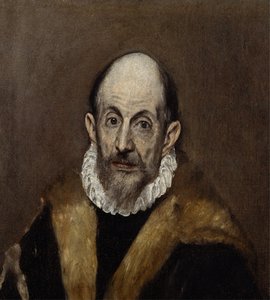
1541 - 1614 , Grecia


Rămâneți la curent cu cele mai recente știri din lumea artei, ofertele noastre exclusive și ideile de decor.
Spuneți-ne despre proiectul dumneavoastră, iar experții noștri în artă vă vor oferi 3 sugestii personalizate.
Vom selecta 3 opțiuni special pentru tine – Gratuit!


 Previzualizare
 Trimite
 Distribuie
 Detalii despre lucrare

 Descarcă
 Produse similare
 Radiografie
 Diapozitive automate
 Vezi mai mult


