x

Printuri giclée sau pe canvas de calitate muzeală, cu proces de producție rapid și opțiuni flexibile de finisare. ( Comandă pictură lucrată manual Cumpără imaginea)





























Alegeți dintre dimensiunile noastre prestabilite, care respectă proporțiile originale ale operei de artă.

Puteți introduce propriile dimensiuni pentru a se potrivi unui anumit cadru sau spațiu. Dacă dimensiunea selectată nu corespunde proporțiilor imaginii originale, vom decupa lucrarea de artă sau vom extinde imaginea cu margini oglindite sau cu o culoare uniformă. Un mockup digital va fi trimis pentru aprobarea dumneavoastră înainte de începerea producției.
Vă rugăm să rețineți că previzualizarea de pe ecran nu reflectă decuparea sau extinderea reală. Doar mockup-ul va arăta cu exactitate compoziția finală.
Deși dimensiunile personalizate sunt disponibile, vă recomandăm să selectați o dimensiune din lista predefinită pentru a păstra proporțiile originale.
Livrare în întreaga lume () în 2 săptămâni, în loc de cele 4/5 săptămâni standard. (18 August)


The Repentant St. Peter
Dimensiune reproducere
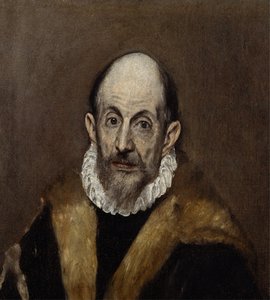
Domenikos Theotokopoulos, universally known as El Greco—“the Greek”—stands as one of the most singular and intensely felt figures in art history. Born in Candia (modern-day Crete) in 1541, his life was a vibrant tapestry woven from Byzantine traditions, Venetian influences, and ultimately, the fiery spirit of Spain. “The Repentant St. Peter,” painted around 1605, is not merely a depiction of a biblical scene; it’s a visceral embodiment of remorse, faith, and the profound struggle between earthly failings and divine grace—a testament to El Greco's unique ability to infuse religious subject matter with an almost unbearable emotional intensity.
The painting immediately commands attention through its dramatic use of chiaroscuro – the stark contrast between light and shadow. El Greco masterfully employs this technique, plunging the viewer into a world of deep darkness punctuated by brilliant highlights that sculpt the figure of St. Peter with startling realism. This isn’t simply an artistic choice; it mirrors the psychological drama unfolding within the scene—the overwhelming weight of guilt and the desperate yearning for redemption. The dark background, adorned with subtly rendered foliage, serves to isolate the saint, intensifying his isolation and emphasizing the gravity of his repentance.
El Greco’s distinctive style is instantly recognizable—a radical departure from the prevailing Renaissance ideals. His figures are elongated, almost impossibly so, with limbs that stretch and twist in a way that defies anatomical accuracy. This deliberate distortion isn't an error; it’s a conscious decision to convey heightened emotion and spiritual intensity. The figure of St. Peter is no longer a solid, grounded presence; he appears to be dissolving into the darkness, his body contorted in agony as he kneels in prayer. This elongated form, coupled with his flickering brushwork—a technique that creates an almost vibrating sense of movement—is a hallmark of El Greco’s oeuvre and anticipates elements of Expressionism centuries later.
The composition itself is strikingly intimate. El Greco eschews the traditional, grand scale often associated with religious paintings, opting instead for a close-up view that forces the viewer to confront St. Peter's suffering directly. This immediacy—the feeling that we are witnessing a deeply personal moment of confession—is profoundly affecting. The crossed keys, symbols of his role as the first Pope and keeper of Heaven’s gates, hang heavy with significance, representing both his past failures and his renewed commitment to faith.
“The Repentant St. Peter” is deeply rooted in the religious and artistic traditions of its time. El Greco drew heavily on Byzantine iconography, particularly the use of halos and the depiction of saints in moments of intense spiritual struggle. However, he transformed these conventions into something entirely his own—a highly personal expression of faith filtered through a uniquely tormented soul. The painting’s creation coincided with El Greco's period in Toledo, Spain, where he found a receptive audience for his emotionally charged works and established a lasting legacy. Duncan Phillips famously categorized El Greco as a “baroque way,” recognizing his stylistic innovations as precursors to both classical order and romantic emotion – a testament to the artist’s profound influence on subsequent generations of artists.
The painting's placement within The Phillips Collection, alongside works by other masters like Rembrandt and Van Gogh, highlights El Greco’s position as a pivotal figure in art history. His ability to evoke such raw emotion through his distinctive style continues to resonate with viewers today, making “The Repentant St. Peter” not just a beautiful painting but a powerful meditation on faith, guilt, and the enduring human capacity for redemption.
1541 - 1614 , Grecia
Explore the dramatic transition from High Renaissance harmony to Mannerist tension. Discover how masters like El Greco redefined art through distortion and spiritual intensity. An expert guide for art enthusiasts seeking deep historical context and museum-quality inspiration.

Explore the profound elegance of Baroque Classicism. Discover how 17th-century masters synthesized dramatic emotion with classical order through the lens of the Counter-Reformation and the works of legends like Carlo Maratta and Andrea Sacchi.

Explore the profound drama of Spanish Baroque art. Delve into the mastery of light, shadow, and realism through the legendary works of Diego Velázquez and the Spanish Golden Age with our expert-led historical guide.


Rămâneți la curent cu cele mai recente știri din lumea artei, ofertele noastre exclusive și ideile de decor.
Spuneți-ne despre proiectul dumneavoastră, iar experții noștri în artă vă vor oferi 3 sugestii personalizate.
Vom selecta 3 opțiuni special pentru tine – Gratuit!


 Previzualizare
 Trimite
 Distribuie
 Detalii despre lucrare

 Descarcă
 Produse similare
 Radiografie
 Diapozitive automate

 Vezi mai mult







 Opțiunea cu sticlă este disponibilă doar pentru dimensiuni de sub 110 cm