x


 Comandă reproducere pictată Cumpără imaginea
 Trimite
 Detalii despre lucrare
 Adaugă la favorite
 Descarcă
 Similare
 Radiografie
 Diaporama
Print giclée sau pe canvas de calitate muzeală, cu producție rapidă și opțiuni flexibile de finisare.





























Alegeți dintre dimensiunile noastre prestabilite, care respectă proporțiile originale ale operei de artă.

Puteți introduce propriile dimensiuni pentru a se potrivi unui anumit cadru sau spațiu. Dacă dimensiunea selectată nu corespunde proporțiilor imaginii originale, vom decupa lucrarea de artă sau vom extinde imaginea cu margini oglindite sau cu o culoare uniformă. Un mockup digital va fi trimis pentru aprobarea dumneavoastră înainte de începerea producției.
Vă rugăm să rețineți că previzualizarea de pe ecran nu reflectă decuparea sau extinderea reală. Doar mockup-ul va arăta cu exactitate compoziția finală.
Deși dimensiunile personalizate sunt disponibile, vă recomandăm să selectați o dimensiune din lista predefinită pentru a păstra proporțiile originale.
Livrare în întreaga lume () în 2 săptămâni, în loc de cele 4/5 săptămâni standard. (20 Iulie)


untitled
Dimensiune reproducere
Doménikos Theotokópoulos, universally recognized as El Greco – “the Greek” – stands apart from his contemporaries not merely as an artist but as a figure whose life embodied the contradictions and passions characteristic of the Renaissance. Born in Crete in 1541, under Venetian dominion, he embarked on a transformative artistic odyssey that spanned Venice and Rome before culminating in Toledo, Spain—a city steeped in religious fervor and haunted by the specter of the Inquisition.
El Greco’s style defies easy categorization. Initially trained within the Byzantine tradition, prioritizing meticulous detail and reverence for sacred imagery, he swiftly rejected convention, forging a path toward an expressive idiom that would foreshadow movements like Expressionism and Cubism. His canvases pulsate with an inner luminescence—a hallmark of his signature technique—characterized by elongated figures rendered in luminous shades of white and gold against dark backgrounds. This dramatic juxtaposition wasn’t merely stylistic; it served as a conduit for conveying profound spiritual emotion.
The historical context surrounding El Greco’s work profoundly shaped his artistic vision. Toledo, under Habsburg rule, was a crucible of religious zealotry—a city where the Catholic Church exerted considerable influence and where heresy was met with brutal repression. This atmosphere permeated El Greco's oeuvre, informing his preoccupation with themes of faith, martyrdom, and divine revelation.
Symbolism permeates El Greco’s paintings. Recurring motifs—such as halos encircling figures representing saints—underscore the sanctity of their subjects and convey a sense of transcendence. The dark backgrounds against which these luminous figures are positioned symbolize darkness overcome by light—a visual metaphor for spiritual enlightenment.
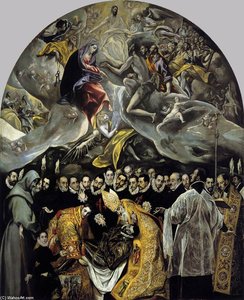
“The Burial of Columbus,” completed in 1609, exemplifies El Greco’s artistic prowess and his ability to evoke profound emotional resonance. The monumental canvas depicts Christopher Columbus's funeral procession, capturing the solemn dignity of the occasion while simultaneously conveying a palpable sense of grief and spiritual contemplation. The elongated figures, bathed in golden light, embody the universality of human suffering—a poignant reminder of mortality and an affirmation of faith’s enduring power.
El Greco’s legacy extends far beyond his artistic innovations. He remains an icon of spiritual artistry—a testament to the transformative potential of creativity when driven by conviction and fueled by emotion. His paintings continue to inspire awe and contemplation, inviting viewers to engage in a dialogue with timeless themes of faith, beauty, and human experience.

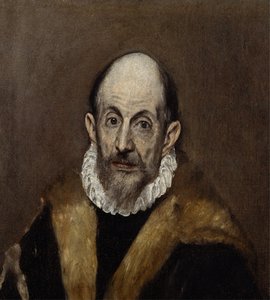
1541 - 1614 , Grecia

Explore the captivating world of El Greco! Discover his unique style, spiritual intensity, and lasting impact on art history. Learn about this Renaissance master's life, iconic paintings & legacy.

Explore the life & art of Alexander Nasmyth, a pivotal figure in Scottish Romantic landscape painting. Discover his iconic works, including portraits of Robert Burns, and learn about his lasting influence on national identity. Fine art reproductions available.

Descoperă cele mai frumoase 25 de picturi El Greco! Explorează capodoperele renascentiste, stilul unic al lui Doménikos Theotokópoulos și emoțiile puternice din arta sa sacră. Reproduceri de artă de calitate muzeală pe Most-Famous-Paintings.com – inspiră-ți decorul!

Explore the captivating world of Jan Brueghel the Elder, a Flemish Baroque master renowned for his stunning landscapes & allegorical paintings. Discover his collaborations with Rubens and lasting artistic legacy.

Discover Cornelis van Poelenburch, a pivotal Dutch Baroque landscape painter bridging Mannerism & Italianate styles. Explore his life, key works, and lasting influence on 17th-century art with Most-Famous-Paintings.


Rămâneți la curent cu cele mai recente știri din lumea artei, ofertele noastre exclusive și ideile de decor.
Spuneți-ne despre proiectul dumneavoastră, iar experții noștri în artă vă vor oferi 3 sugestii personalizate.
Vom selecta 3 opțiuni special pentru tine – Gratuit!


 Distribuie


 Vezi mai mult







 Opțiunea cu sticlă este disponibilă doar pentru dimensiuni de sub 110 cm


![Landscape With A Calm (un Tem[p]s Calme Et Serein) — Nicolas Poussin, Baroque](/media/artworks/images/thumbnails/d9/68/d968ff3e5b2b42448a527566ad3b4a37.jpg)