x

Achiziționați o imagine digitală de înaltă rezoluție, îmbunătățită, mult superioară previzualizării online.
Fiecare fișier este pregătit cu meticulozitate de specialiștii noștri interni, utilizând instrumente avansate și retușare manuală expertă. Ne asigurăm că fiecare imagine beneficiază de o claritate excepțională, o acuratețe precisă a culorilor și detalii fine.
Fișierul final este livrat prin e-mail în termen de 72 de ore, optimizat pentru utilizare imediată în medii profesionale, editoriale și de imprimare. Aceasta este aceeași calitate în care au încredere studiouri de design, edituri și galerii de top.
Descărcați un fișier la rezoluție înaltă pentru afișare personală, imprimare și proiecte creative. ( Comandă printul Comandă pictură lucrată manual)
Când alegeți Most-Famous-Paintings.com, nu primiți doar o simplă imagine – primiți o operă de artă digitală îmbunătățită profesional, creată cu precizie și susținută de o garanție de satisfacție. Iată tot ceea ce primești odată cu comanda ta, în mod automat:

Fișierul imaginii digitale la rezoluție înaltă vă va fi trimis prin e-mail în termen de 72 de ore de la finalizarea comenzii – gata pentru utilizare imediată.

Opera ta de artă este optimizată profesional prin intermediul unor instrumente AI avansate și al editării manuale, asigurând un nivel maxim de detalii, claritate și acuratețe a culorilor.

Ai șters sau ai pierdut din greșeală fișierul? Nu îți face griji – ți-l vom retrimite oricând, gratuit.

Bucură-te instant de noua ta operă de artă, fără taxe vamale, taxe de import sau costuri de livrare – descărcările digitale sunt întotdeauna fără taxe.

Asigurăm o reflectare cât mai fidelă a culorilor originale în imaginea ta digitală, prin utilizarea unor instrumente profesionale și a proceselor de gestionare a culorii.

Dacă nu sunteți mulțumit de imaginea digitală achiziționată, o vom revizui sau vă vom returna 100% în termen de 60 de zile – fără nicio explicație necesară.

Nu ești mulțumit? Obține o rambursare completă în termen de 60 de zile de la primirea fișierului tău digital – fără întrebări.

Cumpără 3 imagini, economisește 10% - Cumpără 5, economisește 15% - Cumpără 10+, economisește 20%. Ideal pentru proiecte creative, galerii și agenții.
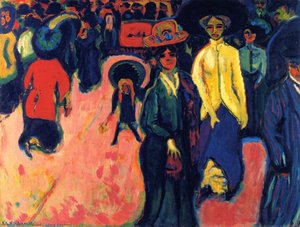
Ernst Ludwig Kirchner's "The Calla" isn’t merely a depiction of a street scene; it’s a visceral plunge into the anxieties and intensities of early 20th-century urban life. Painted in 1913, during a period of immense social and political upheaval in Germany, this oil on canvas explodes with a raw energy characteristic of German Expressionism. Kirchner, a founding member of Die Brücke (The Bridge), sought to move beyond the constraints of academic realism, aiming instead to capture not just what he saw, but how he *felt* about it – a deeply subjective and often unsettling experience. The painting immediately assaults the viewer with its bold color palette dominated by fiery reds, deep greens, and bruised pinks, all grounded in earthy browns, creating a sense of immediate tension and unease. These aren’t colors that describe a pleasant afternoon; they are the hues of a simmering, restless city.
The composition itself is deliberately chaotic, mirroring the perceived disorder of modern urban existence. Kirchner abandons traditional perspective, flattening the space and layering figures in an overlapping mass that seems to press forward, almost overwhelming the viewer. There’s no single focal point; instead, our eye is drawn on a journey through this crowded tableau, encountering fleeting glimpses of faces, fragments of clothing, and the suggestion of movement at every turn. Diagonal lines – evident in the arrangement of figures and the brushstrokes themselves – contribute to this sense of dynamism, as if the scene is perpetually caught in motion. The distortion of forms, particularly the simplified, almost flattened rendering of the human figures, speaks directly to the Expressionist impulse to prioritize emotional impact over accurate representation.
Kirchner’s technique is deliberately loose and expressive, a hallmark of his approach. Thick impasto – the application of paint in heavy, textured layers – is evident throughout the canvas, creating a palpable sense of physicality and immediacy. The brushstrokes are visible, not concealed or blended, adding to the painting's raw energy. Lines aren’t clean or precise; they’re blurred and gestural, contributing to the overall feeling of disorientation and anxiety. This disregard for meticulous detail is central to the Expressionist aesthetic – a rejection of photographic realism in favor of conveying inner experience. The use of complementary colors—particularly the stark juxtaposition of red and green—intensifies the visual drama and amplifies the emotional impact.
“The Calla” is more than just a street scene; it’s a potent symbol of the alienation and anxieties inherent in modern urban life. The densely packed figures, lost within the anonymity of the crowd, represent the individual swallowed by the overwhelming scale of the city. Kirchner masterfully captures this sense of isolation through his deliberate distortion of form and color. The faces are often obscured, their features simplified to suggest a lack of identity. The overall impression is one of unease, as if the figures are trapped in a perpetual state of agitation. Some art historians interpret the painting as a commentary on the social unrest brewing in Germany at the time, reflecting the anxieties surrounding war and political instability. The title itself, “The Calla,” might allude to the ephemeral nature of beauty and life amidst this chaotic backdrop – a fleeting moment of grace within an overwhelming world.
Kirchner’s "The Calla" stands as a powerful testament to the expressive potential of art. It exemplifies the core tenets of German Expressionism, prioritizing emotional impact over objective representation. Its bold colors, distorted forms, and dynamic composition continue to resonate with viewers today, offering a glimpse into the turbulent psychological landscape of early 20th-century Europe. Reproductions of this iconic work offer a unique opportunity to experience Kirchner’s vision firsthand, bringing his intense emotions and unsettling observations to your own space. Considered alongside other works by Kirchner within the context of Die Brücke, “The Calla” provides a crucial window into the birth of modern art and its enduring exploration of the human condition.

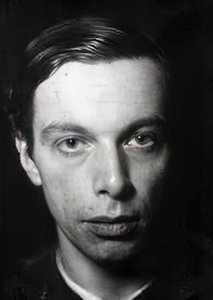
1880 - 1938 , Germania


Rămâneți la curent cu cele mai recente știri din lumea artei, ofertele noastre exclusive și ideile de decor.
Spuneți-ne despre proiectul dumneavoastră, iar experții noștri în artă vă vor oferi 3 sugestii personalizate.
Vom selecta 3 opțiuni special pentru tine – Gratuit!


 Previzualizare
 Trimite
 Distribuie
 Detalii despre lucrare

 Descarcă
 Produse similare
 Radiografie
 Diapozitive automate

 Vezi mai mult