x
Achiziționați o imagine digitală de înaltă rezoluție, îmbunătățită, mult superioară previzualizării online.
Fiecare fișier este pregătit cu meticulozitate de specialiștii noștri interni, utilizând instrumente avansate și retușare manuală expertă. Ne asigurăm că fiecare imagine beneficiază de o claritate excepțională, o acuratețe precisă a culorilor și detalii fine.
Fișierul final este livrat prin e-mail în termen de 72 de ore, optimizat pentru utilizare imediată în medii profesionale, editoriale și de imprimare. Aceasta este aceeași calitate în care au încredere studiouri de design, edituri și galerii de top.
Descărcați un fișier la rezoluție înaltă pentru afișare personală, imprimare și proiecte creative. ( Comandă printul Comandă pictură lucrată manual)
Când alegeți Most-Famous-Paintings.com, nu primiți doar o simplă imagine – primiți o operă de artă digitală îmbunătățită profesional, creată cu precizie și susținută de o garanție de satisfacție. Iată tot ceea ce primești odată cu comanda ta, în mod automat:

Fișierul imaginii digitale la rezoluție înaltă vă va fi trimis prin e-mail în termen de 72 de ore de la finalizarea comenzii – gata pentru utilizare imediată.

Opera ta de artă este optimizată profesional prin intermediul unor instrumente AI avansate și al editării manuale, asigurând un nivel maxim de detalii, claritate și acuratețe a culorilor.

Ai șters sau ai pierdut din greșeală fișierul? Nu îți face griji – ți-l vom retrimite oricând, gratuit.

Bucură-te instant de noua ta operă de artă, fără taxe vamale, taxe de import sau costuri de livrare – descărcările digitale sunt întotdeauna fără taxe.

Asigurăm o reflectare cât mai fidelă a culorilor originale în imaginea ta digitală, prin utilizarea unor instrumente profesionale și a proceselor de gestionare a culorii.

Dacă nu sunteți mulțumit de imaginea digitală achiziționată, o vom revizui sau vă vom returna 100% în termen de 60 de zile – fără nicio explicație necesară.

Nu ești mulțumit? Obține o rambursare completă în termen de 60 de zile de la primirea fișierului tău digital – fără întrebări.

Cumpără 3 imagini, economisește 10% - Cumpără 5, economisește 15% - Cumpără 10+, economisește 20%. Ideal pentru proiecte creative, galerii și agenții.
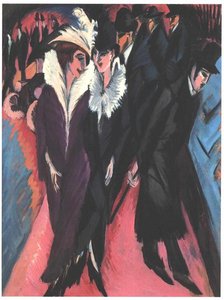
Ernst Ludwig Kirchner's 1913 painting, “Street, Berlin,” isn’t merely a depiction of a city street; it’s a visceral embodiment of the anxieties and alienation simmering beneath the surface of early 20th-century urban life. Painted during a period of immense social and political upheaval – just months before the outbreak of World War I – the work captures a moment of frenetic energy, yet simultaneously conveys a profound sense of isolation and disorientation. Kirchner, a key figure in the German Expressionist movement, sought to move beyond traditional representational art, aiming instead to express inner emotional states through bold color, distorted forms, and fragmented perspectives. “Street, Berlin” exemplifies this ambition, offering a glimpse into a world where individual identity is swallowed by the overwhelming mass of humanity.
Kirchner's approach to depicting reality was radically different from that of his predecessors. He deliberately distorted forms – faces are rendered as simplified masks, bodies are elongated and compressed – not for aesthetic reasons, but to amplify the emotional impact of the scene. The figures aren’t portraits; they’re embodiments of psychological states. Notice how the women in the foreground, bathed in a sickly yellow light, seem detached and preoccupied, their gazes averted. Their clothing—a vibrant purple dress juxtaposed against the muted tones of the surrounding men—hints at a subtle tension, a potential for connection amidst the chaos.
Technique: Kirchner utilized techniques characteristic of Expressionism: flattened perspective, exaggerated colors, and loose brushwork to create an immediate and emotionally charged response in the viewer. He prioritized conveying feeling over accurate representation, resulting in a powerfully subjective experience.Berlin in 1913 was a city undergoing rapid transformation – industrialization, immigration, and social unrest were reshaping its landscape and challenging traditional values. Kirchner’s “Street, Berlin” reflects this turbulent atmosphere. The painting can be interpreted as a commentary on the dehumanizing effects of urban life, where individuals are reduced to anonymous figures lost in the crowd. The painting was created during a period when German Expressionism was gaining momentum, reacting against the perceived superficiality and complacency of bourgeois society. Kirchner’s work, along with that of his fellow Brücke artists, sought to expose the darker side of modernity – its anxieties, alienation, and potential for violence.
The Brücke Group: Kirchner was a founding member of Die Brücke (The Bridge), an influential group of Expressionist painters who aimed to break away from academic traditions and explore new forms of artistic expression. The group’s name reflected their desire to connect the past with the present, drawing inspiration from both German Romanticism and contemporary avant-garde movements.Beyond its immediate depiction of a bustling street scene, “Street, Berlin” is rich in symbolic meaning. The overwhelming number of figures suggests a sense of anonymity and isolation – individuals lost within the collective. The fragmented composition mirrors the fractured state of modern identity, where traditional values are being eroded by the forces of industrialization and urbanization. The painting’s unsettling atmosphere evokes a feeling of unease and foreboding, hinting at the impending doom that would engulf Europe in World War I. It's a powerful meditation on the human condition in an age of rapid change and profound uncertainty.

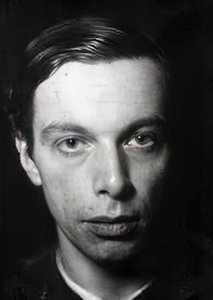
1880 - 1938 , Germania


Rămâneți la curent cu cele mai recente știri din lumea artei, ofertele noastre exclusive și ideile de decor.
Spuneți-ne despre proiectul dumneavoastră, iar experții noștri în artă vă vor oferi 3 sugestii personalizate.
Vom selecta 3 opțiuni special pentru tine – Gratuit!


 Previzualizare
 Trimite
 Distribuie
 Detalii despre lucrare

 Descarcă
 Produse similare
 Radiografie
 Diapozitive automate


 Vezi mai mult