


x

Achiziționați o imagine digitală de înaltă rezoluție, îmbunătățită, mult superioară previzualizării online.
Fiecare fișier este pregătit cu meticulozitate de specialiștii noștri interni, utilizând instrumente avansate și retușare manuală expertă. Ne asigurăm că fiecare imagine beneficiază de o claritate excepțională, o acuratețe precisă a culorilor și detalii fine.
Fișierul final este livrat prin e-mail în termen de 72 de ore, optimizat pentru utilizare imediată în medii profesionale, editoriale și de imprimare. Aceasta este aceeași calitate în care au încredere studiouri de design, edituri și galerii de top.
Descărcați un fișier la rezoluție înaltă pentru afișare personală, imprimare și proiecte creative. ( Comandă printul Comandă pictură lucrată manual)
Când alegeți Most-Famous-Paintings.com, nu primiți doar o simplă imagine – primiți o operă de artă digitală îmbunătățită profesional, creată cu precizie și susținută de o garanție de satisfacție. Iată tot ceea ce primești odată cu comanda ta, în mod automat:

Fișierul imaginii digitale la rezoluție înaltă vă va fi trimis prin e-mail în termen de 72 de ore de la finalizarea comenzii – gata pentru utilizare imediată.

Opera ta de artă este optimizată profesional prin intermediul unor instrumente AI avansate și al editării manuale, asigurând un nivel maxim de detalii, claritate și acuratețe a culorilor.

Ai șters sau ai pierdut din greșeală fișierul? Nu îți face griji – ți-l vom retrimite oricând, gratuit.

Bucură-te instant de noua ta operă de artă, fără taxe vamale, taxe de import sau costuri de livrare – descărcările digitale sunt întotdeauna fără taxe.

Asigurăm o reflectare cât mai fidelă a culorilor originale în imaginea ta digitală, prin utilizarea unor instrumente profesionale și a proceselor de gestionare a culorii.

Dacă nu sunteți mulțumit de imaginea digitală achiziționată, o vom revizui sau vă vom returna 100% în termen de 60 de zile – fără nicio explicație necesară.

Nu ești mulțumit? Obține o rambursare completă în termen de 60 de zile de la primirea fișierului tău digital – fără întrebări.

Cumpără 3 imagini, economisește 10% - Cumpără 5, economisește 15% - Cumpără 10+, economisește 20%. Ideal pentru proiecte creative, galerii și agenții.
Fernand Léger's "Ballet Mécanique," painted in 1924, isn’t merely a depiction of a scene; it’s a vibrant, pulsating embodiment of the machine age and its impact on human experience. This groundbreaking work, born from Léger’s fascination with industrial forms and his post-war reflections, transcends simple representation to become a dynamic exploration of rhythm, movement, and the increasingly mechanized world around us. The painting captures a fleeting moment within a larger, almost frenetic sequence – a snapshot of urban life filtered through the lens of Cubism and a burgeoning interest in technology’s influence.
The composition itself is immediately arresting. Léger abandons traditional perspective, instead presenting a series of interlocking rectangular frames, reminiscent of a filmstrip or a mechanical animation. Within these frames, we encounter a cast of figures – women engaged in everyday activities like gardening and laundry, alongside glimpses of industrial machinery and domestic objects. These elements aren’t rendered with meticulous detail; rather, they are fragmented, simplified, and abstracted into geometric shapes—cylinders, cones, and angular forms that dominate the scene. This deliberate reduction emphasizes their mechanical essence, transforming familiar subjects into stylized symbols of a rapidly changing world.
“Ballet Mécanique” is deeply rooted in Léger’s development of “Tubism,” an artistic style he pioneered alongside Robert Delaunay. Tubism sought to capture the essence of modern life through the simplification of forms into cylindrical shapes, reflecting the perceived strength and stability of machinery. This approach wasn't about replicating reality but rather distilling it down to its fundamental geometric components – a direct response to the industrial landscape that was reshaping Europe after World War I. The painting’s palette is deliberately restrained—primarily consisting of bold primary colors (red, blue, yellow) punctuated by black and white—further reinforcing the mechanical aesthetic. The lack of shading or depth contributes to the feeling of flatness and immediacy, as if we are witnessing a continuous stream of images unfolding before our eyes.
It’s crucial to understand that “Ballet Mécanique” was conceived in conjunction with a film of the same name, directed by Dudley Murphy. Léger and Murphy intended the painting to serve as a visual accompaniment to the film, capturing its dynamic rhythm and fragmented imagery. The film itself—a pioneering experiment in experimental cinema—utilized synchronized music composed by George Antheil, further amplifying the sense of mechanical precision and rhythmic intensity. The pairing of the painting and the film created a truly immersive experience, blurring the boundaries between art forms and reflecting the growing fascination with new technologies and their impact on culture.
Beyond its technical innovations, “Ballet Mécanique” carries a potent symbolic weight. The repetitive movements of the figures, the fragmented forms, and the relentless pace of the composition evoke a sense of both excitement and anxiety—a reflection of the rapid social and technological changes occurring in the 1920s. The painting isn’t simply celebrating progress; it's also hinting at the potential alienation and dehumanization that can accompany industrialization. The figures, though seemingly engaged in everyday activities, appear strangely detached and isolated within their mechanical surroundings. Despite this underlying tension, “Ballet Mécanique” ultimately offers a surprisingly optimistic vision of modernity—a celebration of dynamism, energy, and the transformative power of technology.
Today, reproductions of "Ballet Mécanique" remain highly sought after by collectors and interior designers alike. Its bold colors, dynamic composition, and iconic imagery make it a striking addition to any space. When incorporated into an interior setting, the painting’s inherent energy can invigorate a room, creating a conversation piece that speaks to both the history of modern art and the ongoing fascination with the machine age. Consider pairing it with sleek, minimalist furniture or incorporating elements of industrial design to further enhance its visual impact.

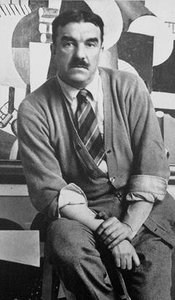
1881 - 1955 , Franța


Rămâneți la curent cu cele mai recente știri din lumea artei, ofertele noastre exclusive și ideile de decor.
Spuneți-ne despre proiectul dumneavoastră, iar experții noștri în artă vă vor oferi 3 sugestii personalizate.
Vom selecta 3 opțiuni special pentru tine – Gratuit!


 Previzualizare
 Trimite
 Distribuie
 Detalii despre lucrare

 Descarcă
 Produse similare
 Radiografie
 Diapozitive automate

 Vezi mai mult


