


x

Printuri giclée sau pe canvas de calitate muzeală, cu proces de producție rapid și opțiuni flexibile de finisare. ( Comandă pictură lucrată manual Cumpără imaginea)





























Alegeți dintre dimensiunile noastre prestabilite, care respectă proporțiile originale ale operei de artă.

Puteți introduce propriile dimensiuni pentru a se potrivi unui anumit cadru sau spațiu. Dacă dimensiunea selectată nu corespunde proporțiilor imaginii originale, vom decupa lucrarea de artă sau vom extinde imaginea cu margini oglindite sau cu o culoare uniformă. Un mockup digital va fi trimis pentru aprobarea dumneavoastră înainte de începerea producției.
Vă rugăm să rețineți că previzualizarea de pe ecran nu reflectă decuparea sau extinderea reală. Doar mockup-ul va arăta cu exactitate compoziția finală.
Deși dimensiunile personalizate sunt disponibile, vă recomandăm să selectați o dimensiune din lista predefinită pentru a păstra proporțiile originale.
Livrare în întreaga lume () în 2 săptămâni, în loc de cele 4/5 săptămâni standard. (15 August)


The Big Parade
Dimensiune reproducere
Fernand Léger's 1954 painting, "The Big Parade," is more than just a depiction of a group gathering; it’s a vibrant manifesto of the modern age. Captured with bold colors and dynamic lines in a distinctive Cubist style, the artwork pulsates with an energy that reflects Léger’s fascination with industrialization and its impact on human experience. The scene unfolds with at least thirteen figures arranged in a lively tableau, some clustered closely together, others dispersed across the canvas, creating a sense of controlled chaos – a visual representation of urban life in the mid-20th century.
Born Joseph Fernand Henri Léger in 1881 in Argentan, Normandy, Léger’s artistic journey was profoundly shaped by his upbringing amidst the rural landscapes of France. This early exposure to physical labor – particularly farming – provided a crucial counterpoint to his later fascination with machines and industrial forms. He initially studied architecture but quickly transitioned to painting, driven by a desire to translate the visual language of the machine age onto canvas. Léger wasn't simply depicting machinery; he was attempting to capture its essence—its power, its geometry, and its transformative influence on human society.
Léger’s work reflects a broader cultural shift occurring in Europe during the early 20th century. The rise of industrialization, urbanization, and technological advancements were fundamentally altering people's lives, and Léger sought to visually represent these changes through his distinctive artistic style. His paintings are often described as “machine-made,” reflecting his belief that art should reflect the realities of modern life.
"The Big Parade" resonates with a powerful emotional impact, conveying a sense of both excitement and unease. The fragmented figures suggest a loss of individual identity within the mass society, while their collective presence hints at a shared experience—a feeling of belonging or perhaps even alienation. Léger’s bold use of color and dynamic composition creates a visually stimulating experience that invites viewers to contemplate the complexities of modern life.
The painting's enduring appeal lies in its ability to capture a pivotal moment in human history – the transition from rural traditions to an increasingly mechanized world. It is a testament to Léger’s artistic vision and his willingness to embrace the challenges and opportunities presented by modernity, making "The Big Parade" a significant work within the canon of 20th-century art.

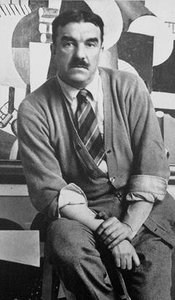
1881 - 1955 , Franța

Elevate your design projects with Most-Famous-Paintings's premium canvas prints and hand-painted reproductions. Discover affordable, museum-quality wall decor delivered worldwide, offering freelance decorators professional excellence, archival durability, and bespoke customization for every space.


Rămâneți la curent cu cele mai recente știri din lumea artei, ofertele noastre exclusive și ideile de decor.
Spuneți-ne despre proiectul dumneavoastră, iar experții noștri în artă vă vor oferi 3 sugestii personalizate.
Vom selecta 3 opțiuni special pentru tine – Gratuit!


 Previzualizare
 Trimite
 Distribuie
 Detalii despre lucrare

 Descarcă
 Produse similare
 Radiografie
 Diapozitive automate

 Vezi mai mult







 Opțiunea cu sticlă este disponibilă doar pentru dimensiuni de sub 110 cm


