x

Pictură în ulei pe pânză, realizată manual de artiștii noștri la dimensiunea și ramele dorite de dumneavoastră, pe comandă. ( Comandă printul Cumpără imaginea)





























Alegeți dintre dimensiunile noastre prestabilite, care respectă proporțiile originale ale operei de artă.

Puteți introduce propriile dimensiuni pentru a se potrivi unui anumit cadru sau spațiu. Dacă dimensiunea selectată nu corespunde proporțiilor imaginii originale, vom decupa opera de artă sau vom extinde pictura cu elemente suplimentare pictate manual. O simulare digitală vă va fi trimisă pentru aprobare înainte de începerea producției.
Vă rugăm să rețineți că previzualizarea de pe ecran nu reflectă decuparea sau extinderea reală. Doar macheta va arăta cu exactitate compoziția finală.
Deși sunt disponibile dimensiuni personalizate, vă recomandăm să selectați o dimensiune din lista predefinită pentru a păstra proporțiile originale.
Livrare în întreaga lume () în 3-4 săptămâni, în loc de cele 5 săptămâni standard. (17 August). Fără compromisuri în ceea ce privește calitatea.


The Nativity
Dimensiune reproducere
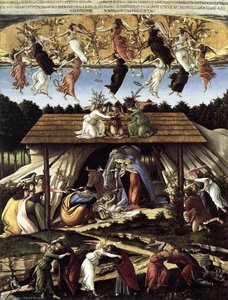
Fra Bartolomeo’s “The Nativity,” painted around 1507, is more than simply a depiction of the biblical birth of Christ; it's a profound meditation on faith, humility, and the divine grace that permeates human experience. Created during a pivotal period in Florentine art – bridging the late Gothic and burgeoning Renaissance – this masterpiece embodies the artist’s unique synthesis of spiritual contemplation and masterful technique. The painting immediately draws the viewer into a scene brimming with serene beauty and quiet reverence, inviting reflection on the profound event at its heart.
The composition is carefully orchestrated to emphasize Mary's central role as the embodiment of maternal love and devotion. Kneeling before her, Joseph stands as a steadfast protector, while the infant Jesus, swaddled in white, occupies the immediate center – a beacon of hope and divine promise. Angels, rendered with an ethereal quality, surround the family, their gestures conveying both adoration and guardianship. Notice how Bartolomeo subtly integrates them into the architectural setting, creating a sense of layered depth and spiritual elevation. The use of perspective, though not entirely formalized as in later Renaissance works, establishes a clear spatial hierarchy, guiding the eye towards the focal point: Mary and the Christ Child.
Bartolomeo's style is immediately recognizable for its rich color palette and meticulous attention to detail. He employed tempera on panel, a technique favored by Florentine artists of his time, which allowed for luminous colors and subtle gradations of tone. The use of gold leaf – particularly in the halos surrounding the figures – adds an element of sacred splendor, elevating the scene beyond the earthly realm. The artist’s brushwork is remarkably smooth and controlled, creating a sense of tranquility and harmony. Observe how he masterfully renders the textures of fabric, wood, and skin, imbuing each element with a tangible quality.
Bartolomeo's training under Cosimo Rosselli profoundly influenced his approach to color and composition. Rosselli’s emphasis on atmospheric perspective – creating depth through subtle shifts in hue and value – is evident here, though Bartolomeo refines this technique with a more delicate touch. The background landscape, rendered in muted earth tones, provides a grounding element, anchoring the scene within a believable earthly setting while simultaneously suggesting an eternal backdrop.
“The Nativity” is replete with symbolic meaning. The donkey’s presence, often overlooked, represents humility and service – qualities essential to the narrative of Christ's birth. Mary’s posture, kneeling in prayer, symbolizes her submission to God’s will and her role as the Mother of God. The angels, traditionally associated with divine messengers, represent the intervention of grace into human affairs. Even the arrangement of the figures—the carefully considered placement of each hand, each gaze—contributes to the overall sense of spiritual significance.
Furthermore, Bartolomeo’s decision to depict the scene within a simple, almost austere setting underscores the painting's focus on faith and devotion rather than elaborate ornamentation. The lack of extraneous details directs the viewer’s attention solely to the central theme: the miraculous birth of Jesus Christ. The painting speaks not just of a historical event but of a timeless truth—the enduring power of love, humility, and divine grace.
“The Nativity” is considered one of Fra Bartolomeo’s most important works, exemplifying his unique artistic vision. It resides today in the collection of The Art Institute of Chicago, a testament to its enduring beauty and significance. Reproductions of this iconic painting continue to inspire awe and reverence, offering viewers a glimpse into the heart of Christian faith and the profound artistry of one of Renaissance Italy’s most gifted painters. Its quiet dignity and luminous colors make it an ideal choice for adorning homes and spaces dedicated to contemplation and spiritual reflection.


1472 - 1517 , Italia

Explore the profound history and symbolism of the world's greatest religious artworks. From Byzantine icons to Renaissance masters, journey through sacred iconography with our expert guide and discover museum-quality, hand-painted oil reproductions for your collection.

Explore the dramatic world of Italian Baroque art. Discover how masters like Caravaggio used chiaroscuro and tenebrism to revolutionize painting through light, shadow, and profound realism. A definitive guide for history lovers and art collectors.


Rămâneți la curent cu cele mai recente știri din lumea artei, ofertele noastre exclusive și ideile de decor.
Spuneți-ne despre proiectul dumneavoastră, iar experții noștri în artă vă vor oferi 3 sugestii personalizate.
Vom selecta 3 opțiuni special pentru tine – Gratuit!


 Previzualizare
 Trimite
 Distribuie
 Detalii despre lucrare

 Descarcă
 Produse similare
 Radiografie
 Diapozitive automate


 Vezi mai mult







 Opțiunea cu sticlă este disponibilă doar pentru dimensiuni de sub 110 cm